Revenue Based Financing Explained
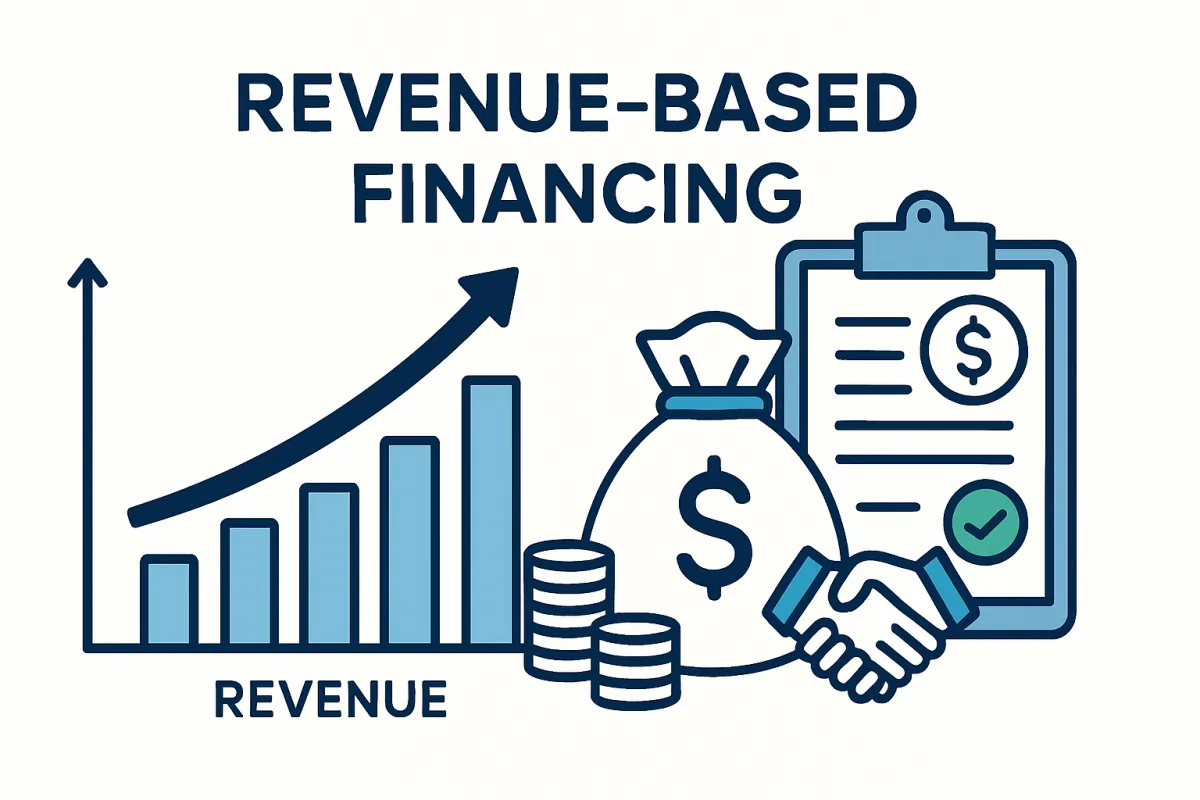
Revenue Based Financing (RBF) is a funding model where investors provide capital to businesses in exchange for a percentage of future revenue. This approach is particularly appealing for startups and small businesses that may not qualify for traditional loans. Unlike equity financing, RBF does not require giving up ownership, and repayments are tied to revenue performance, making it a flexible option for companies experiencing fluctuating income. The model is gaining traction among entrepreneurs seeking non-dilutive funding alternatives.
Quick Summary
Revenue Based Financing offers a unique funding avenue for businesses, allowing them to secure capital without sacrificing equity. This model is particularly beneficial for startups and small enterprises that experience variable revenue streams. Investors receive a percentage of future earnings until a predetermined amount is repaid, aligning their interests with the business's success. As more entrepreneurs look for flexible financing options, RBF is becoming an increasingly popular choice, especially in industries with high growth potential.
Curator Notes
Revenue Based Financing (RBF) is an innovative funding model that allows businesses to raise capital by offering a share of their future revenues to investors. This method is particularly advantageous for startups and small businesses that may struggle to secure traditional loans due to lack of collateral or a limited credit history. By tying repayments to revenue, RBF provides a flexible repayment structure that can adapt to the company's financial performance.
One of the most appealing aspects of RBF is that it does not require entrepreneurs to give up equity in their business. This is crucial for founders who want to maintain control and ownership while still accessing the funds necessary for growth. Investors, in turn, benefit from a potentially lucrative return on their investment, as they receive a percentage of revenue until a specified amount is repaid.
However, there are trade-offs to consider. While RBF can be less risky than traditional loans, it may still impose a significant financial burden during low-revenue periods. Businesses must carefully assess their revenue projections to ensure they can meet repayment obligations without jeopardizing their operations.
Another important factor is the cost of capital. RBF typically comes with higher costs compared to traditional financing options. Entrepreneurs should evaluate the total repayment amount and consider how it impacts their long-term financial health.
It's essential to conduct thorough due diligence and understand the terms before entering into an RBF agreement. RBF is particularly well-suited for industries with high growth potential, such as technology, e-commerce, and subscription services. These sectors often experience rapid revenue increases, making RBF an attractive option for funding expansion without diluting ownership.
As the market for alternative financing continues to grow, more companies are exploring RBF as a viable option. Entrepreneurs should stay informed about the evolving landscape and consider how RBF fits into their overall funding strategy. Engaging with financial advisors or industry experts can provide valuable insights into whether RBF is the right choice for their specific circumstances.
In summary, Revenue Based Financing presents a compelling alternative for businesses seeking capital without equity dilution. However, careful consideration of repayment terms, costs, and revenue projections is essential to ensure that this funding model aligns with the company's long-term goals.
Recommended Options
- Lighter Capital: Best for Tech startups with predictable revenue streams Offers flexible repayment terms based on revenue performance. Signal checked: Strong track record with tech companies and positive user reviews. Alternative to consider: Clearco
- Clearco: Best for E-commerce businesses looking for quick funding Signal checked: Widely recognized in the e-commerce space with numerous success stories. Alternative to consider: Kickfurther
- Kickfurther: Best for Businesses needing inventory financing Signal checked: Positive feedback from users who benefited from inventory financing. Alternative to consider: Fundera
Best Sources
Videos and Community Signals
Joe will guide you through Revenue Based Financing, also known as merchant cash advance. If you're a small business owner ...
Raising capital? Get a list of vetted VCs for FREE here: https://web.thunder.vc/list-of-investors-vcs-for-founders Get the latest ...
Comparison
| Decision Point | Good Starting Choice | When to Go Further |
|---|---|---|
| Repayment Structure | Fixed percentage of revenue until a set amount is repaid. | Flexible terms that adjust based on revenue fluctuations. |
| Ownership Dilution | No equity given up. | Retain full ownership while accessing capital. |
| Cost of Capital | Lower than traditional loans but higher than equity. | Understand total repayment obligations to assess long-term impact. |
FAQ
RBF is a funding model where businesses receive capital in exchange for a percentage of future revenues.
Startups and small businesses with fluctuating revenue streams looking for non-dilutive funding.
Potential financial burden during low-revenue periods and higher overall costs compared to traditional financing.