Retinol vs Retinoid: Key Differences
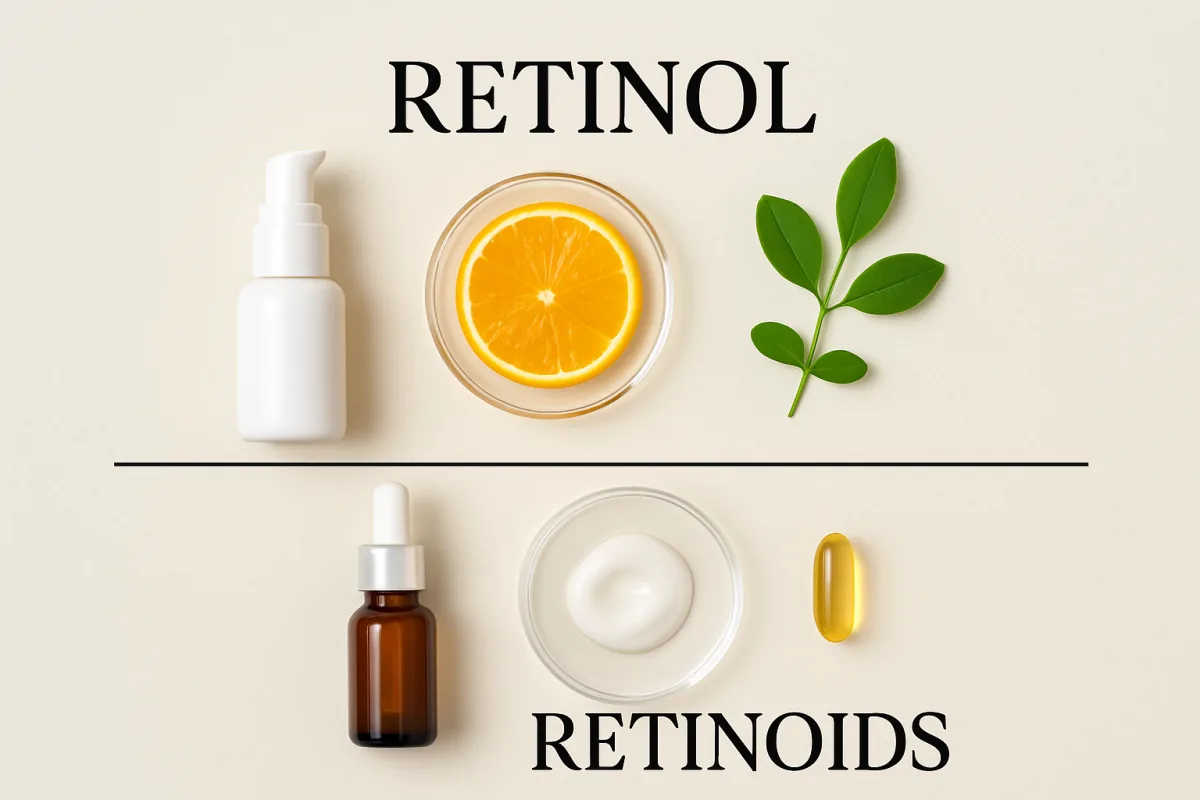
Retinol and retinoids are both derivatives of vitamin A, but they differ in potency and usage. Retinol is a milder form, often found in over-the-counter products, while retinoids, which include prescription-strength options like tretinoin, are more potent and effective for treating severe skin issues. Understanding these differences can help you choose the right product for your skincare needs.
Quick Summary
Retinol and retinoids are crucial in skincare, both derived from vitamin A but varying in strength. Retinol is more accessible and suitable for beginners, while retinoids offer stronger results for serious skin concerns. This guide explores their key differences, benefits, and usage recommendations.
Curator Notes
Retinol is a popular skincare ingredient known for its ability to reduce fine lines, improve skin texture, and promote cell turnover. It is often found in over-the-counter products, making it accessible for those new to retinoids. Retinol works by converting into retinoic acid in the skin, which is the active form that provides benefits.
However, it may take longer to see results compared to stronger retinoids. On the other hand, retinoids encompass a broader category that includes prescription-strength options like tretinoin. These are more potent and can deliver faster results, making them suitable for treating conditions such as acne, hyperpigmentation, and severe signs of aging.
While they can be more effective, they often come with a higher risk of irritation and require careful introduction into a skincare routine. Choosing between retinol and retinoids depends on your skin type, concerns, and tolerance. Beginners may benefit from starting with retinol to gauge their skin's reaction, while those with specific skin issues might consider consulting a dermatologist for a prescription retinoid.
It's essential to incorporate these products gradually and use sunscreen, as they can increase skin sensitivity.
Recommended Options
- Skinceuticals Retinol 0.5: Best for beginners looking to improve skin texture This product offers a balanced concentration of retinol, making it effective yet gentle for new users. Signal checked: Highly rated by dermatologists and users for its effectiveness and minimal irritation. Alternative to consider: Neutrogena Rapid Wrinkle Repair Retinol Oil
- Retin-A Tretinoin Cream: Best for individuals with severe acne or aging concerns As a prescription retinoid, it provides rapid results for skin issues but requires a doctor's consultation. Signal checked: Widely prescribed and backed by clinical studies for its efficacy. Alternative to consider: Adapalene Gel 0.1% (Differin)
Best Sources
Videos and Community Signals
Drug retinoids are some of the most powerful ingredients in skincare. So why would anyone use cosmetic retinoids? And are ...
Retinoids are some of the most studied ingredients in skincare, but the different names can make things confusing. Retinol, retinal ...
Comparison
| Decision Point | Good Starting Choice | When to Go Further |
|---|---|---|
| Potency | Retinol is suitable for general skincare and maintenance. | Retinoids are ideal for treating specific skin conditions like acne or severe aging. |
| Irritation Potential | Lower risk of irritation, making it beginner-friendly. | Higher risk of irritation; requires gradual introduction and monitoring. |
| Availability | Over-the-counter options are widely available. | Prescription required for stronger retinoids. |
FAQ
It's generally not recommended to use both simultaneously due to increased irritation risk. Consult a dermatologist for personalized advice.
Typically, it takes about 4 to 12 weeks to notice significant improvements in skin texture and appearance.