Retargeting Pixel Setup Guide
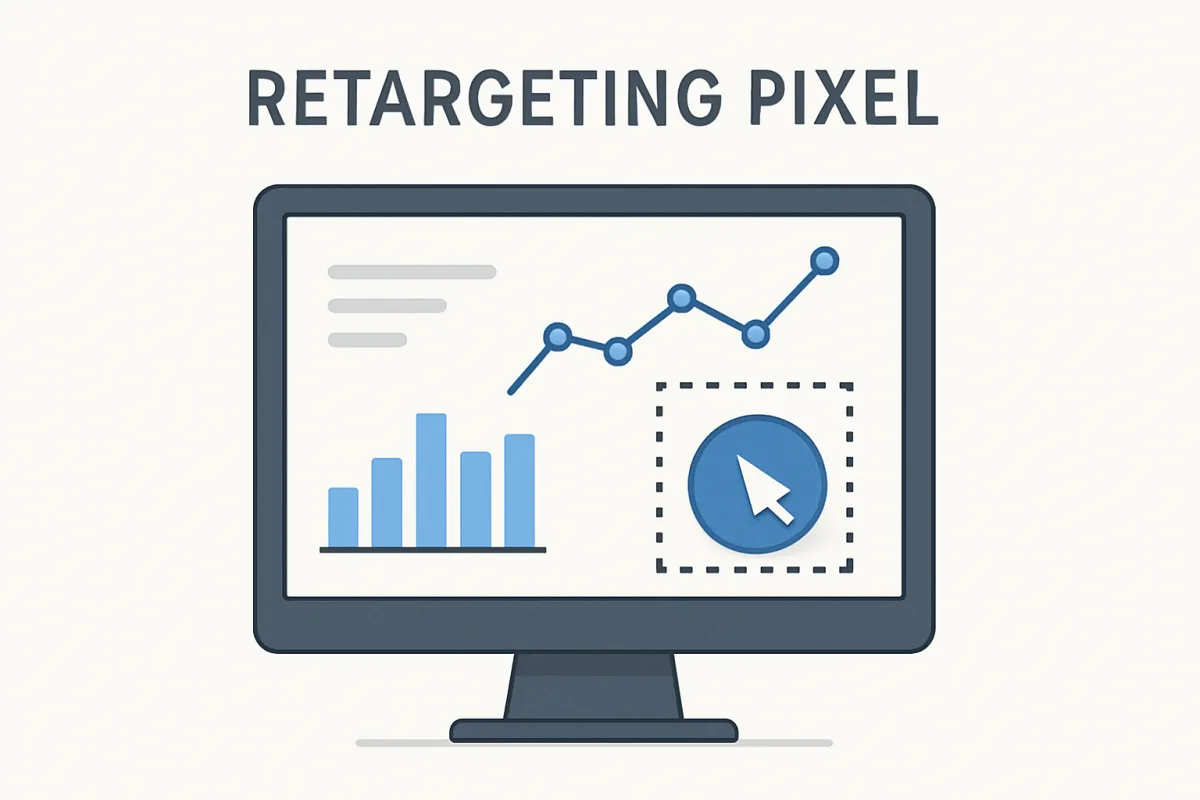
Setting up a retargeting pixel involves a few key steps that vary slightly depending on the platform you choose. Generally, you need to create an account with an advertising platform like Facebook or Google Ads, generate the pixel code, and then add this code to your website. This allows you to track user behavior and serve targeted ads to visitors who have previously engaged with your site. Ensure you verify the pixel's functionality using the platform's tools to confirm it's tracking correctly.
Quick Summary
This guide provides a step-by-step approach to setting up a retargeting pixel on your website. You'll learn how to create a pixel, integrate it into your site, and verify its functionality. This is essential for effective digital marketing strategies aimed at re-engaging visitors.
Curator Notes
Retargeting pixels are essential tools in digital marketing, allowing businesses to reconnect with users who have previously visited their websites. The setup process typically begins with selecting an advertising platform, such as Facebook Ads or Google Ads. After creating an account, you will generate a unique pixel code that needs to be integrated into your website's HTML.
This code tracks user interactions and enables you to display personalized ads based on their previous behavior. Once the pixel is installed, it's crucial to verify its functionality. Most platforms offer tools to check if the pixel is firing correctly and collecting data.
This step ensures that your retargeting campaigns will be effective. Additionally, consider segmenting your audience based on their actions on your site, which can enhance the relevance of your ads and improve conversion rates.
Recommended Options
- Facebook Pixel: Best for Businesses looking to retarget users on Facebook and Instagram. Highly integrated with Facebook's advertising platform, allowing for detailed audience segmentation. Signal checked: Widely used by millions of advertisers, with extensive documentation and support. Alternative to consider: Google Ads Remarketing Tag
- Google Ads Remarketing Tag: Best for Businesses wanting to retarget users across the Google Display Network. Offers robust analytics and integration with Google Analytics for deeper insights. Signal checked: Preferred by many advertisers for its extensive reach and effectiveness. Alternative to consider: LinkedIn Insight Tag
- LinkedIn Insight Tag: Best for B2B companies targeting professionals on LinkedIn. Signal checked: Effective for B2B marketing strategies, with strong analytics capabilities. Alternative to consider: Twitter Website Tag
Best Sources
Videos and Community Signals
How does Facebook know that you doubted to buy something on another website? They use tracking pixels! A small image that is ...
Setting up retargeting ads on Facebook and Instagram is way easier than it looks! #facebookads #adstutorial #instagramads ...
Comparison
| Decision Point | Good Starting Choice | When to Go Further |
|---|---|---|
| Platform Integration | Facebook Pixel for social media retargeting. | Google Ads Remarketing Tag for broader reach across websites. |
| Audience Segmentation | Basic segmentation available with Facebook Pixel. | Advanced segmentation with Google Ads based on user behavior. |
| Analytics Support | Basic analytics with Facebook. | In-depth analytics with Google Ads and integration with Google Analytics. |
FAQ
A retargeting pixel is a piece of code placed on your website that tracks user behavior, allowing you to serve targeted ads to users who have previously visited your site.
You can use the verification tools provided by the advertising platform to check if the pixel is firing correctly and collecting data.
Yes, you can implement multiple pixels from different platforms to track user behavior across various advertising channels.