Retargeting Google Ads Guide
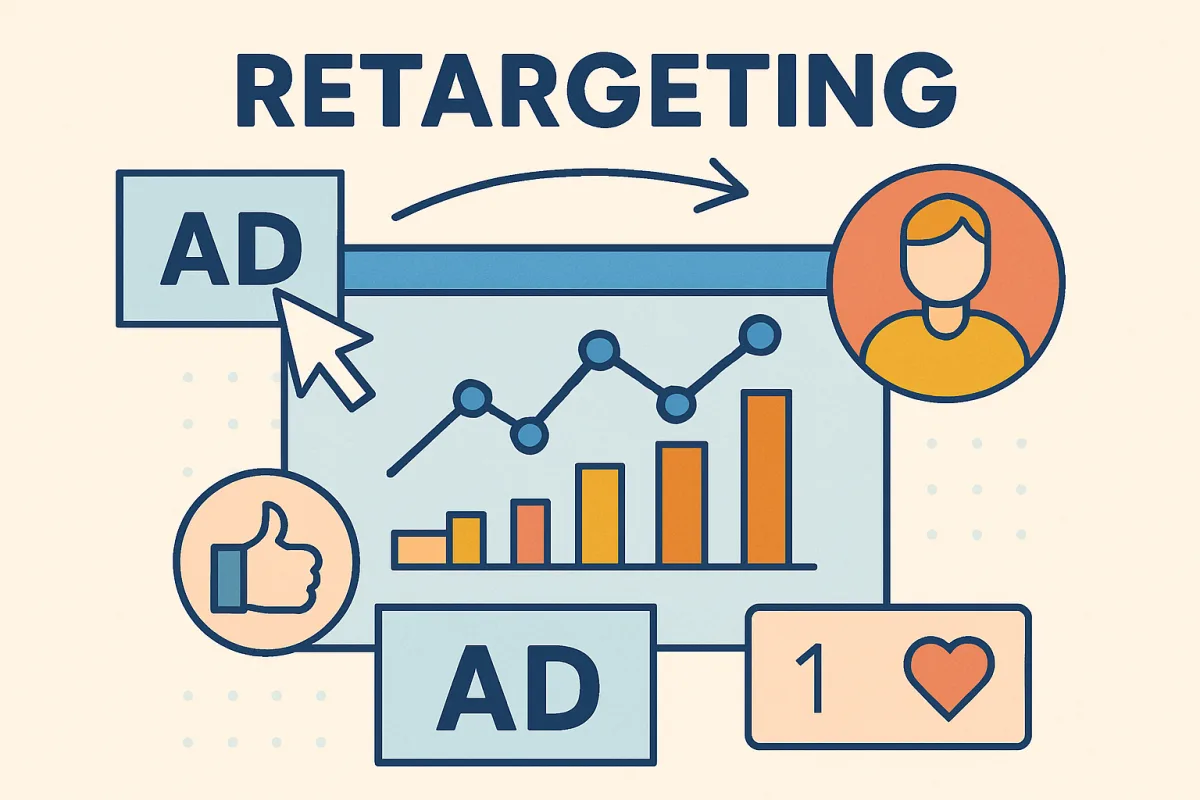
Retargeting with Google Ads allows businesses to reconnect with users who have previously interacted with their website or app. This strategy enhances brand recall and increases conversion rates by serving tailored ads to these users as they browse other sites or platforms. Key steps include setting up a remarketing list, creating engaging ad content, and monitoring campaign performance to optimize results. Effective retargeting can significantly improve ROI by focusing on an audience already familiar with your brand.
Quick Summary
Retargeting Google Ads is a powerful strategy for re-engaging potential customers who have shown interest in your products or services. By creating tailored ads that follow users across the web, businesses can enhance brand visibility and drive conversions. The process involves setting up remarketing lists, designing compelling ads, and analyzing performance metrics for continuous improvement. This targeted approach not only boosts sales but also maximizes marketing budgets by focusing on users who are already familiar with your brand.
Curator Notes
Retargeting in Google Ads is a strategic approach that allows businesses to reconnect with users who have previously visited their website. This method leverages cookies to track user behavior, enabling targeted ad placements across the Google Display Network and other platforms. The primary goal is to remind potential customers of their interest, ultimately driving them back to complete a purchase or engage further with the brand.
To start with retargeting, businesses need to create a remarketing list within Google Ads. This involves defining the audience segments based on their interactions, such as page visits, time spent on the site, or specific actions taken. By segmenting users, marketers can tailor their messaging to different groups, enhancing the relevance of the ads served.
Creating compelling ad content is crucial for successful retargeting campaigns. Ads should be visually appealing and include clear calls to action. Utilizing dynamic ads that showcase products users viewed can significantly increase engagement.
It's essential to test various ad formats and messages to determine what resonates best with the audience. Monitoring and optimizing campaign performance is another key aspect of retargeting. Google Ads provides robust analytics tools that allow marketers to track metrics such as click-through rates, conversion rates, and return on ad spend.
Regularly reviewing these metrics helps identify areas for improvement, whether it's adjusting bids, refining audience segments, or experimenting with different ad creatives. One common misconception is that retargeting is intrusive or annoying to users. However, when done thoughtfully, it can enhance the user experience by providing relevant reminders rather than overwhelming them with ads.
Striking the right balance in frequency and timing is essential to avoid ad fatigue. Finally, integrating retargeting efforts with other marketing strategies, such as email campaigns or social media outreach, can amplify results. For instance, sending follow-up emails to users who clicked on retargeted ads can further encourage conversions.
This multi-channel approach ensures that the brand remains top-of-mind across various touchpoints. In summary, retargeting with Google Ads is a powerful tool for businesses looking to enhance their marketing effectiveness. By focusing on users who have already shown interest, companies can maximize their advertising budgets and improve overall conversion rates.
The key lies in strategic audience segmentation, compelling ad creation, and continuous performance optimization.
Recommended Options
- Google Ads: Best for Businesses of all sizes looking to implement retargeting strategies. Comprehensive platform with robust targeting options and analytics. Signal checked: Widely used by marketers with proven success in various industries. Alternative to consider: Facebook Ads for social media retargeting.
- AdRoll: Best for E-commerce businesses seeking cross-platform retargeting. Offers multi-channel retargeting across web and social media. Signal checked: High customer satisfaction ratings and case studies showcasing ROI. Alternative to consider: Criteo for dynamic retargeting solutions.
- Retargeter: Best for Small to medium-sized businesses wanting a user-friendly interface. Simplifies the retargeting process with easy setup and management. Signal checked: Positive reviews for ease of use and customer support. Alternative to consider: Perfect Audience for similar features.
Best Sources
Videos and Community Signals
In today's video, we're diving deep into the world of remarketing with Google Ads, giving you a full, step-by-step guide to ...
Learn how to set up Google Analytics remarketing and find GA4 audiences inside your Google Ads account. In this step-by-step ...
Comparison
| Decision Point | Good Starting Choice | When to Go Further |
|---|---|---|
| Audience Segmentation | Basic segmentation for general retargeting. | Advanced segmentation for personalized ad experiences. |
| Ad Formats | Standard display ads. | Dynamic ads that adapt to user behavior. |
| Analytics Tools | Basic performance tracking. | In-depth analytics with actionable insights. |
FAQ
Retargeting in Google Ads is a marketing strategy that serves ads to users who have previously visited your website, helping to re-engage them.
To set up a retargeting campaign, create a remarketing list in Google Ads, design your ads, and choose your targeting options.
Yes, retargeting is highly effective as it targets users who are already familiar with your brand, increasing the likelihood of conversion.