Register Brand Trademarks Plan
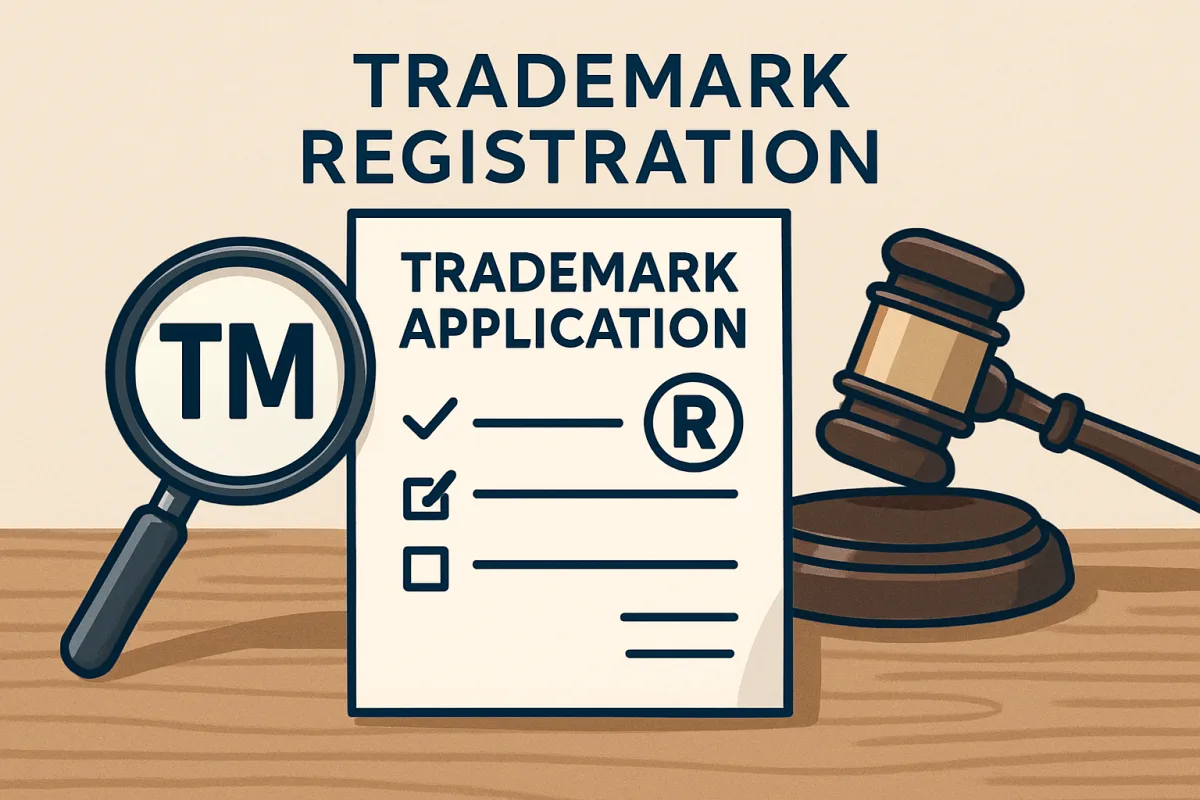
Registering a brand trademark is essential for protecting your intellectual property. Start by conducting a trademark search to ensure your brand name is unique. Next, prepare your application, which includes details about your brand and its intended use. Submit your application to the appropriate government agency, such as the USPTO in the United States. Be prepared for potential challenges or oppositions from existing trademark holders. Finally, monitor your trademark status and renew it as necessary to maintain your rights.
Quick Summary
Securing a trademark for your brand is a crucial step in establishing and protecting your business identity. Begin with a comprehensive trademark search to confirm that your desired name is available. After that, gather the necessary information and file your application with the relevant authority. Keep an eye on the process, as you may face opposition from other trademark owners. Regularly check your trademark status to ensure ongoing protection and compliance.
Curator Notes
Registering a trademark is a vital step for any entrepreneur looking to safeguard their brand identity. The first step is conducting a thorough trademark search. This helps you determine if your desired brand name or logo is already in use.
Utilizing resources like the USPTO's Trademark Electronic Search System (TESS) can streamline this process. Ensure that your search covers not just exact matches but also similar names that could cause confusion in the marketplace. Once you confirm that your brand name is available, the next step is to prepare your application.
This includes providing detailed information about your brand, such as its intended use and the goods or services it represents. Be meticulous in this stage, as incomplete or inaccurate applications can lead to delays or rejections. Consider consulting with a trademark attorney to ensure that your application is robust and compliant with legal requirements.
After preparing your application, submit it to the appropriate government agency. In the U.S., this would be the United States Patent and Trademark Office (USPTO). The application process can take several months, during which your application will be examined.
Be prepared for potential challenges; existing trademark holders may oppose your application if they believe it infringes on their rights. Monitoring your trademark status is crucial after submission. You can track the progress of your application through the USPTO's online portal.
If your application is approved, you will receive a registration certificate, but your responsibilities don’t end there. Regularly check for any potential infringements on your trademark and be proactive in enforcing your rights to prevent unauthorized use. Renewal is another important aspect of trademark management.
Trademarks must be renewed periodically, typically every 10 years in the U.S. Failure to renew can result in losing your trademark rights. Keep a calendar of renewal dates and ensure that you comply with all necessary requirements to maintain your trademark.
Finally, consider the broader implications of trademark registration. A registered trademark can enhance your brand's value and provide legal advantages in case of disputes. It also signals to consumers that your brand is established and trustworthy.
Therefore, investing time and resources into the trademark registration process is not just a legal formality but a strategic business decision.
Best Sources
Videos and Community Signals
Today we are learning all about trademarks. What trademarks are? Common trademark misconceptions. How to trademark your ...
Trade Mark,meaning,act and types trade mark,types of trademarks,types of trademark,types of trademark in hindi,types of trade ...
Comparison
| Decision Point | Good Starting Choice | When to Go Further |
|---|---|---|
| Online booking | A simple booking page with service duration, staff assignment and confirmation emails. | Multi-location calendars, deposits, cancellation rules and waitlist handling. |
| Client records | Basic notes, visit history and contact details are enough to start. | Segmentation, purchase history, memberships, forms and before-after notes become more important. |
| Reminders | SMS or email reminders help reduce no-shows without adding admin work. | Automated rebooking, follow-up campaigns and missed-appointment recovery matter more. |
| Payments | Card capture and checkout should be simple and transparent. | Packages, memberships, staff commissions, tips and refunds need cleaner reporting. |
| Marketing | Light email or SMS campaigns are useful if they are easy to run. | Automated win-back, birthday offers, review requests and audience segments create more leverage. |
FAQ
The first step is conducting a comprehensive trademark search to ensure your desired brand name is unique.
The process can take several months, depending on the complexity of your application and any potential oppositions.
While it's not mandatory, consulting with a trademark attorney can help ensure your application is complete and compliant.
In the U.S., trademarks must be renewed every 10 years to maintain your rights.