Reducing Plastic at Home Guide
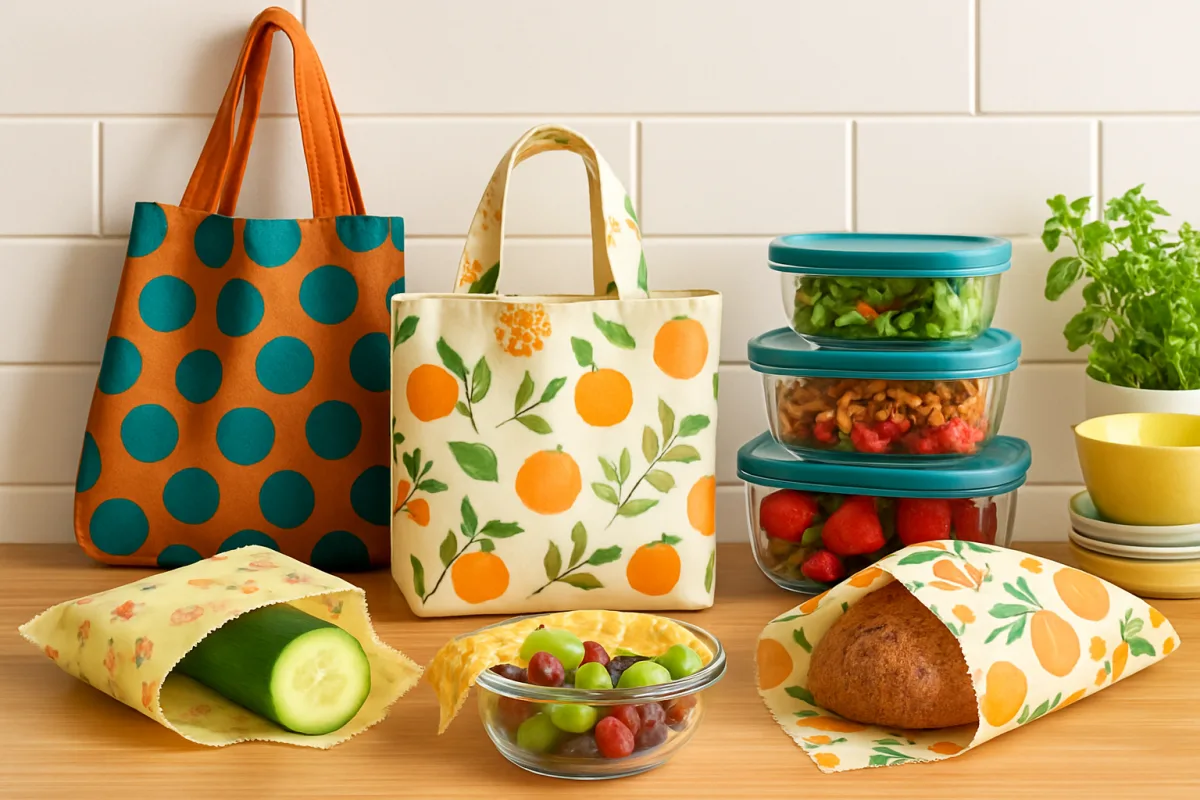
Reducing plastic at home involves practical steps like opting for reusable bags, choosing glass or metal containers, and avoiding single-use plastics. Start by assessing your current plastic usage and identifying areas for improvement. Simple changes, like carrying a reusable water bottle or using beeswax wraps instead of plastic wrap, can significantly cut down your plastic footprint. Additionally, consider supporting brands that prioritize sustainable packaging. This approach not only benefits the environment but also encourages a more mindful lifestyle.
Quick Summary
Making a conscious effort to reduce plastic at home can lead to significant environmental benefits. Begin by evaluating your plastic consumption and replacing single-use items with sustainable alternatives. Simple actions, such as using cloth bags for shopping and opting for glass containers, can make a big difference. Educating yourself about the impact of plastic waste and supporting eco-friendly brands further enhances your efforts. By integrating these practices into your daily routine, you contribute to a healthier planet while fostering a sustainable lifestyle.
Curator Notes
Reducing plastic at home starts with awareness. Take a moment to assess the types of plastic products you frequently use. Common culprits include shopping bags, water bottles, and food packaging.
By identifying these items, you can create a targeted plan to replace them with sustainable alternatives. One effective strategy is to invest in reusable bags. Not only do they reduce plastic waste, but they also tend to be sturdier and more reliable than their single-use counterparts.
Opt for bags made from organic cotton or recycled materials for added sustainability. Another area to focus on is food storage. Glass containers are an excellent alternative to plastic, as they are durable and free from harmful chemicals.
If you're looking for a more flexible option, consider silicone bags for snacks and leftovers. These can be reused countless times and are often dishwasher-safe. When it comes to personal care products, many items come in plastic packaging.
Transitioning to brands that offer refillable or biodegradable options can significantly reduce your plastic footprint. Look for shampoos, soaps, and lotions that use minimal or sustainable packaging. Additionally, consider the impact of single-use plastics in your kitchen.
Beeswax wraps can replace plastic wrap, while stainless steel or bamboo utensils can serve as alternatives to disposable cutlery. These small changes can collectively lead to a substantial reduction in plastic waste. Educating yourself about the environmental impact of plastic is crucial.
Understanding the lifecycle of plastic products can motivate you to make more informed choices. Engage with local community groups focused on sustainability to share tips and resources. Lastly, support brands that prioritize eco-friendly practices.
Many companies are now adopting sustainable packaging solutions. By choosing to purchase from these brands, you not only reduce your plastic consumption but also encourage others to follow suit, creating a ripple effect in your community.
Recommended Options
- Baggu Reusable Shopping Bags: Best for Everyday grocery shopping Durable, stylish, and made from recycled materials. Signal checked: Highly rated for quality and design. Alternative to consider: Cotton tote bags
- Pyrex Glass Food Storage Containers: Best for Food storage and meal prep Borosilicate glass is resistant to thermal shock and safe for microwave use. Signal checked: Popular among eco-conscious consumers. Alternative to consider: Silicone storage bags
- Bee's Wrap Beeswax Wraps: Best for Food preservation Natural, reusable alternative to plastic wrap. Signal checked: Widely endorsed by sustainability advocates. Alternative to consider: Silicone food covers
Best Sources
Videos and Community Signals
Microplastics are everywhere, including in your body. I spent 24 hours doing everything I could to avoid ingesting them.
Learn the BEST way to reduce plastic in daily life with permaculture principles! Discover how to live sustainably and reduce your ...
Comparison
| Decision Point | Good Starting Choice | When to Go Further |
|---|---|---|
| Type of Material | Reusable shopping bags made from recycled plastic | Organic cotton bags for a more sustainable choice |
| Food Storage Options | Plastic containers for convenience | Glass containers for safety and longevity |
| Food Preservation Methods | Plastic wrap for quick use | Beeswax wraps for eco-friendliness and reusability |
FAQ
Start with reusable bags and water bottles, and gradually replace plastic food storage with glass or silicone options.
Involve them in shopping choices and discuss the impact of plastic waste on the environment.
Check for local sustainability groups or workshops that focus on eco-friendly practices.