Reduce Monthly Fixed Expenses
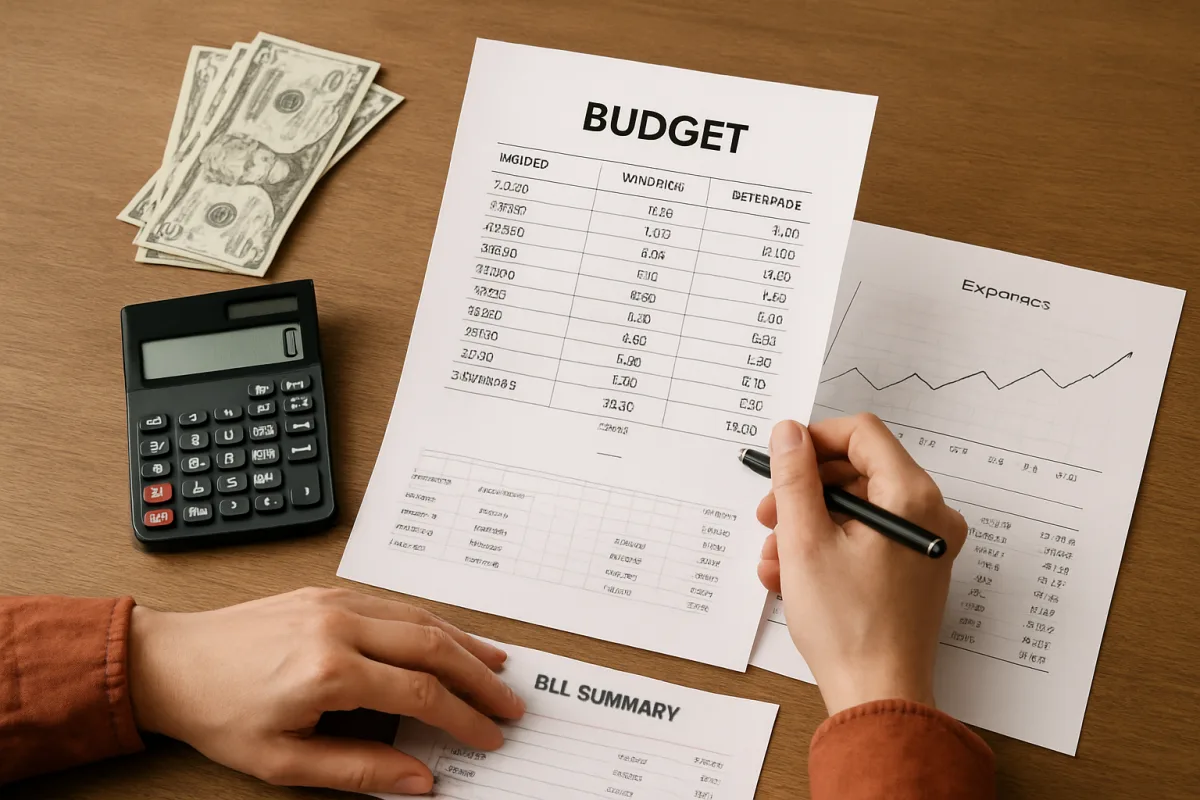
Reducing monthly fixed expenses can significantly improve your financial health. Start by reviewing your budget to identify non-essential costs. Common areas to cut include subscriptions, utilities, and insurance. For instance, consider switching to a cheaper phone plan or negotiating your cable bill. Additionally, refinancing loans can lower monthly payments. Implementing these strategies can lead to substantial savings over time, allowing for better allocation of funds toward savings or investments.
Quick Summary
Finding ways to reduce monthly fixed expenses is crucial for better financial management. Begin by analyzing your budget to pinpoint areas for potential cuts, such as unnecessary subscriptions or high utility bills. Negotiating rates, refinancing loans, and switching to more affordable services can lead to significant savings. By taking these steps, you can free up funds for savings or investments, ultimately enhancing your financial stability.
Curator Notes
Reducing monthly fixed expenses is a practical strategy for improving your financial situation. Start by conducting a thorough review of your budget. Identify fixed expenses that can be trimmed or eliminated.
Common culprits include subscription services, insurance premiums, and utility bills. For example, if you have multiple streaming services, consider consolidating to one or two that you use most often. This simple step can save you a significant amount each month.
Next, focus on your utility bills. Many people overlook opportunities to negotiate or switch providers. Contact your utility companies to inquire about lower rates or discounts.
Additionally, consider implementing energy-saving measures in your home, such as using LED bulbs or smart thermostats, which can lead to long-term savings. Insurance is another area where you can potentially reduce costs. Shop around for better rates or consider bundling policies for discounts.
Many providers offer competitive rates, so it pays to compare. If you have a good driving record, you might also qualify for lower auto insurance premiums. Refinancing loans can be an effective way to lower monthly payments.
If you have high-interest debt, such as credit cards or personal loans, consider consolidating them into a lower-interest loan. This not only reduces your monthly payment but can also save you money in interest over time. Another practical approach is to review your grocery and dining expenses.
Meal planning and cooking at home can drastically cut costs compared to frequent dining out. Look for local deals or discounts on groceries and consider using apps that offer cashback on purchases. Lastly, consider your transportation costs.
If you rely on a car, evaluate whether public transportation or carpooling could be more economical. Additionally, if you’re in a position to do so, downsizing to a more fuel-efficient vehicle can lead to significant savings on gas and maintenance. By implementing these strategies, you can effectively reduce your monthly fixed expenses, leading to improved financial health and more flexibility in your budget.
The key is to remain proactive and regularly review your spending habits to identify further opportunities for savings.
Recommended Options
- Mint: Best for Budget tracking and expense management Mint offers a comprehensive view of your finances, allowing you to track spending and identify areas for savings. Signal checked: Highly rated by users for its user-friendly interface and effective budgeting tools. Alternative to consider: YNAB (You Need A Budget) for more hands-on budgeting.
- Truebill: Best for Subscription management and bill negotiation Signal checked: Positive reviews highlight its effectiveness in managing recurring expenses. Alternative to consider: Bobby for a simpler subscription tracking experience.
- NerdWallet: Best for Comparing financial products Signal checked: Widely recommended by financial experts for its comprehensive resources. Alternative to consider: Bankrate for rate comparisons.
Best Sources
Videos and Community Signals
Thanks for checking out the description box! Like, subscribe and hit the bell notification if you haven't already! In this video I talk ...
Lowering our life's fixed costs offers great opportunities. We can get ahead financially, we can pay off debt, or we can live more ...
Comparison
| Decision Point | Good Starting Choice | When to Go Further |
|---|---|---|
| Budget Tracking | Mint for easy tracking of expenses | YNAB for proactive budgeting and goal setting |
| Subscription Management | Truebill for automatic cancellation of unwanted services | Bobby for detailed tracking of all subscriptions |
| Financial Product Comparison | NerdWallet for quick comparisons | Bankrate for in-depth financial product analysis |
FAQ
Fixed expenses are regular, recurring costs that do not change month-to-month, such as rent, mortgage, and insurance.
Review your bank statements and categorize your spending to pinpoint areas where you can cut back.
Yes, negotiating bills can lead to significant savings, especially on utilities and insurance.