Quarterly Tax Payments Guide
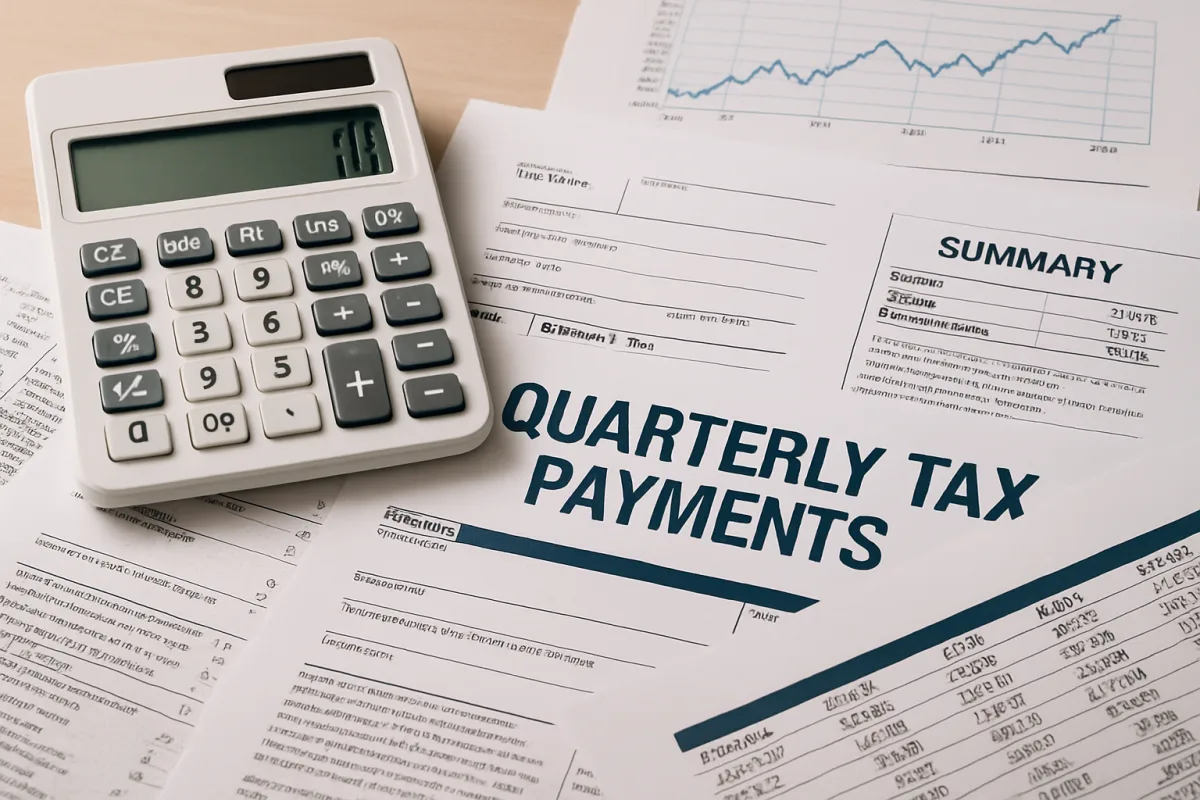
Quarterly tax payments are essential for self-employed individuals and businesses to avoid penalties. Typically, these payments are due four times a year: April 15, June 15, September 15, and January 15 of the following year. To calculate your quarterly payments, estimate your expected annual tax liability and divide it by four. It's crucial to keep accurate records of your income and expenses to ensure you're paying the correct amount. Using tax software or consulting a tax professional can help streamline this process and ensure compliance with IRS regulations.
Quick Summary
Understanding quarterly tax payments is vital for freelancers and business owners to manage their tax obligations effectively. These payments, typically due four times a year, help prevent penalties and interest charges. To determine how much to pay, estimate your annual tax liability and divide it by four. Keeping detailed records of income and expenses is essential for accurate calculations. Utilizing tax software or consulting a professional can simplify the process and ensure compliance with IRS guidelines.
Curator Notes
Quarterly tax payments are a critical aspect of financial management for self-employed individuals and businesses. These payments are designed to help taxpayers meet their tax obligations throughout the year, rather than facing a large bill at tax time. The IRS requires these payments to be made four times a year: April 15, June 15, September 15, and January 15 of the following year.
Missing these deadlines can lead to penalties and interest, making it essential to stay on top of your payment schedule. To calculate your quarterly tax payments, start by estimating your expected annual tax liability. This figure should include not just income tax, but also self-employment tax if applicable.
Once you have an estimate, divide that amount by four to determine your quarterly payment. It's important to adjust your estimates if your income fluctuates throughout the year, as overpaying can tie up cash flow unnecessarily. Keeping meticulous records of your income and expenses is crucial for accurate tax calculations.
This means tracking all sources of income, as well as any deductible expenses that can lower your taxable income. Many small business owners find it beneficial to use accounting software to help manage these records. Software like QuickBooks or FreshBooks can simplify the process, making it easier to generate reports and track payments.
Consulting a tax professional can also provide valuable insights, especially for those who are new to self-employment or have complex financial situations. A tax advisor can help you navigate the intricacies of tax laws and ensure you’re taking advantage of all available deductions. They can also assist in making accurate estimates for your quarterly payments, reducing the risk of underpayment penalties.
Another common concern is how to handle changes in income. If you experience a significant increase or decrease in income, it’s advisable to adjust your quarterly payment estimates accordingly. The IRS allows for adjustments based on your current income, which can help avoid penalties for underpayment.
Lastly, it's worth noting that some taxpayers may qualify for the annualized income method, which allows for different payment amounts based on income fluctuations throughout the year. This method can be particularly beneficial for those with seasonal income. In summary, managing quarterly tax payments requires careful planning and record-keeping.
By estimating your tax liability accurately, keeping detailed financial records, and seeking professional advice when needed, you can navigate your tax obligations effectively and avoid unnecessary penalties.
Best Sources
Videos and Community Signals
Quarterly estimated tax payments come as a surprise to many first-time self employed business owners. When you don't have an ...
If you have taxable income from any payer that doesn't withhold tax for you, check to see if you need to make estimated tax ...
Comparison
| Decision Point | Good Starting Choice | When to Go Further |
|---|---|---|
| Online booking | A simple booking page with service duration, staff assignment and confirmation emails. | Multi-location calendars, deposits, cancellation rules and waitlist handling. |
| Client records | Basic notes, visit history and contact details are enough to start. | Segmentation, purchase history, memberships, forms and before-after notes become more important. |
| Reminders | SMS or email reminders help reduce no-shows without adding admin work. | Automated rebooking, follow-up campaigns and missed-appointment recovery matter more. |
| Payments | Card capture and checkout should be simple and transparent. | Packages, memberships, staff commissions, tips and refunds need cleaner reporting. |
| Marketing | Light email or SMS campaigns are useful if they are easy to run. | Automated win-back, birthday offers, review requests and audience segments create more leverage. |
FAQ
Missing a quarterly tax payment can lead to penalties and interest charges. The IRS may impose a penalty for underpayment, which can accumulate over time.
Yes, you can adjust your quarterly tax payments if your income fluctuates. It's advisable to recalculate your estimated tax liability and adjust your payments accordingly.
Typically, if you have a regular job where taxes are withheld from your paycheck, you do not need to make quarterly payments. However, if you have additional income, you may need to pay estimated taxes.