Puppy Vaccinations Timeline Guide
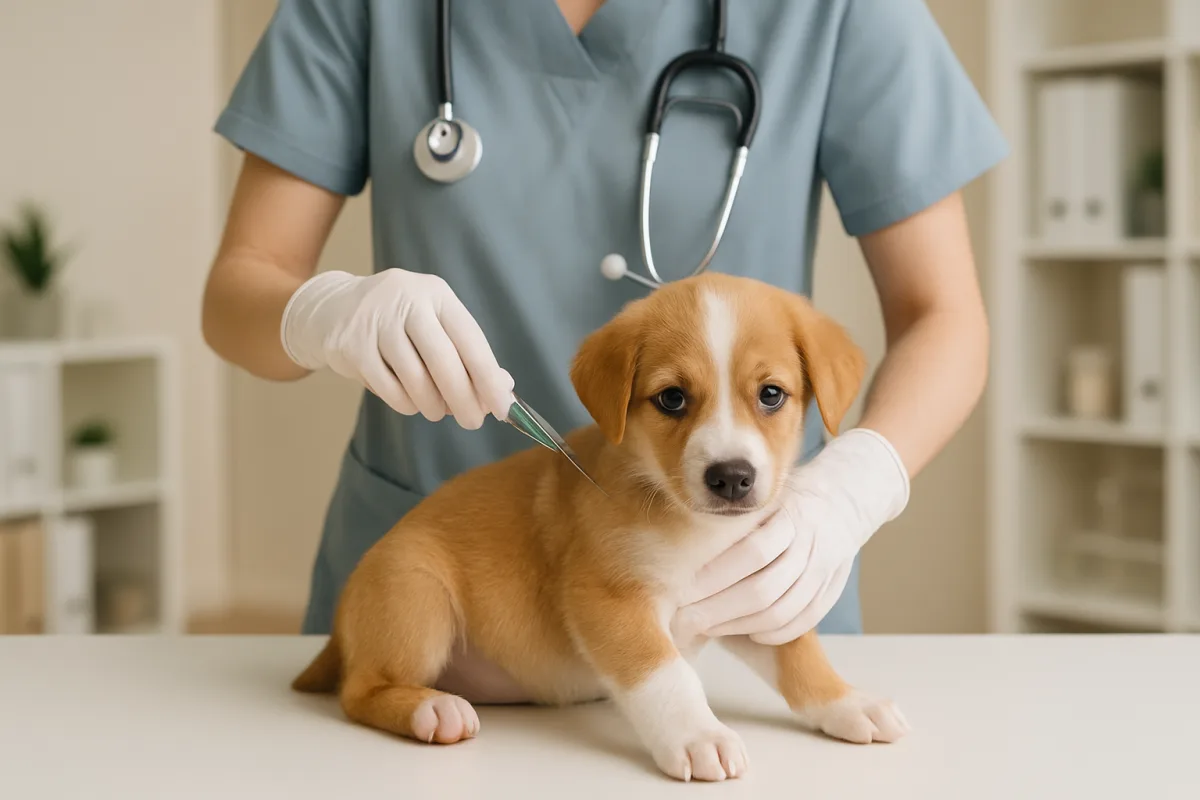
A puppy vaccination timeline is crucial for ensuring your pet's health. Vaccinations typically begin at 6-8 weeks of age and continue until about 16 weeks. Core vaccines include Distemper, Parvovirus, and Adenovirus, while non-core vaccines may include Bordetella and Lyme disease. It's essential to follow your veterinarian's recommendations for timing and specific vaccines based on your puppy's lifestyle and risk factors.
Quick Summary
Understanding the puppy vaccinations timeline is vital for pet owners. Vaccinations start at 6-8 weeks and continue until 16 weeks, covering core and non-core vaccines. Regular veterinary visits are essential for a healthy puppy.
Curator Notes
Puppy vaccinations are a critical part of responsible pet ownership, helping to protect your puppy from various infectious diseases. The vaccination schedule typically begins when puppies are around 6 to 8 weeks old. During this period, they receive their first set of core vaccines, which usually includes Distemper, Parvovirus, and Adenovirus.
These vaccines are essential for building immunity against serious illnesses that can affect young dogs. As your puppy grows, additional vaccinations are administered at intervals, usually every 3 to 4 weeks, until they reach about 16 weeks of age. Non-core vaccines, such as Bordetella (kennel cough) and Lyme disease, may also be recommended based on your puppy's lifestyle and exposure risks.
Regular check-ups with your veterinarian will help ensure your puppy receives the appropriate vaccines at the right times, tailored to their specific needs. It's important to keep a record of your puppy's vaccinations, as this information will be necessary for boarding, training, and other activities. Additionally, understanding the vaccination timeline can help you plan for your puppy's health care needs as they grow.
Best Sources
Videos and Community Signals
Dog vaccinations play a critical role in protecting your dog from many dangerous and even fatal diseases. While state law requires ...
Both initial vaccinations and boosters are vital to give your new puppy the best chance of a long and healthy life. They're an ...
Comparison
| Decision Point | Good Starting Choice | When to Go Further |
|---|---|---|
| Online booking | A simple booking page with service duration, staff assignment and confirmation emails. | Multi-location calendars, deposits, cancellation rules and waitlist handling. |
| Client records | Basic notes, visit history and contact details are enough to start. | Segmentation, purchase history, memberships, forms and before-after notes become more important. |
| Reminders | SMS or email reminders help reduce no-shows without adding admin work. | Automated rebooking, follow-up campaigns and missed-appointment recovery matter more. |
| Payments | Card capture and checkout should be simple and transparent. | Packages, memberships, staff commissions, tips and refunds need cleaner reporting. |
| Marketing | Light email or SMS campaigns are useful if they are easy to run. | Automated win-back, birthday offers, review requests and audience segments create more leverage. |
FAQ
Core vaccines for puppies typically include Distemper, Parvovirus, Adenovirus, and Rabies. These vaccines are essential for protecting against serious diseases.
Puppies should start their vaccinations at 6-8 weeks of age, with follow-up shots every 3-4 weeks until they are about 16 weeks old.
Non-core vaccines, such as Bordetella and Lyme disease, may be recommended based on your puppy's lifestyle and exposure risks. Consult your veterinarian for personalized advice.