Puppy Schedule for New Owners
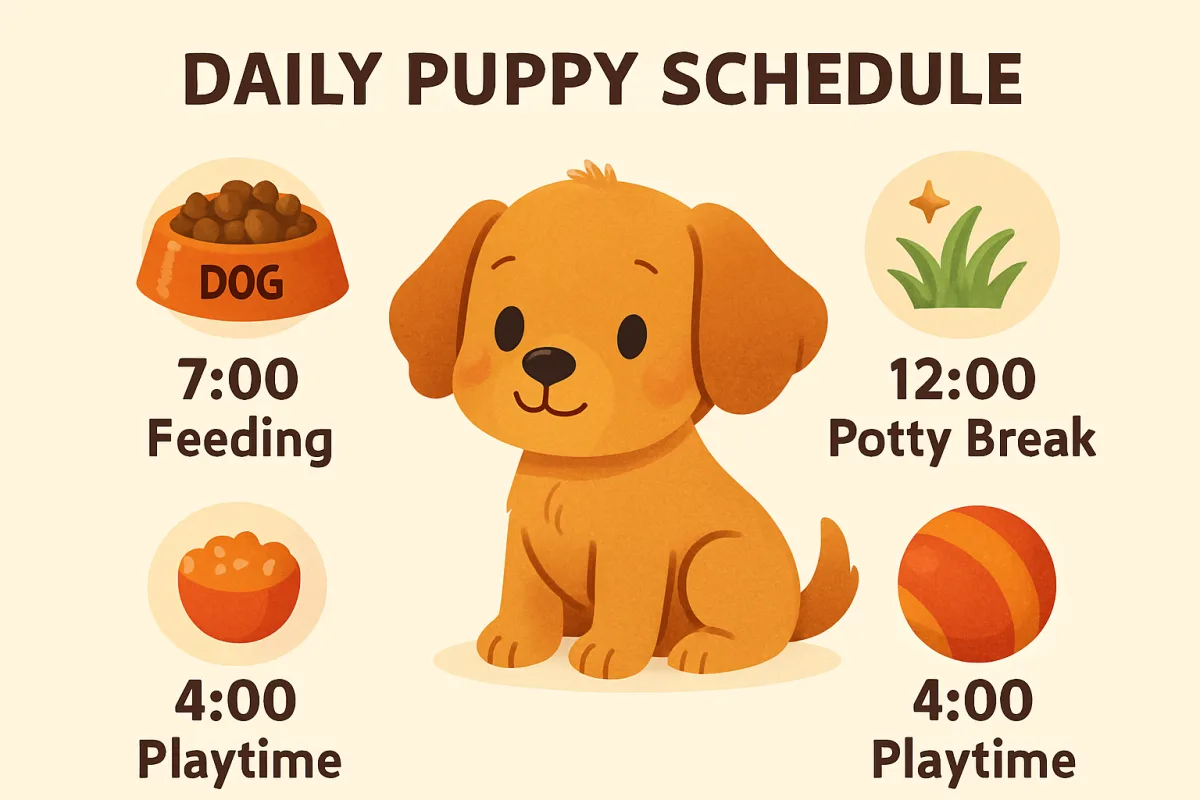
Creating a puppy schedule is essential for new owners to ensure their pet's well-being and development. A structured routine helps with potty training, feeding, socialization, and exercise. Start with a daily schedule that includes regular feeding times, potty breaks, playtime, and training sessions. Adjust the schedule as your puppy grows, keeping in mind their energy levels and developmental needs. Consistency is key to fostering a happy and well-adjusted puppy.
Quick Summary
A well-structured puppy schedule is crucial for new owners. It aids in potty training, feeding, and socialization. Establish a daily routine that includes feeding, potty breaks, playtime, and training, adjusting as your puppy grows. Consistency will help your puppy thrive.
Curator Notes
Establishing a puppy schedule is vital for new pet owners as it lays the foundation for a well-behaved and healthy dog. A typical daily schedule should include feeding times, potty breaks, exercise, training sessions, and socialization opportunities. For example, puppies usually need to be fed three to four times a day, with potty breaks scheduled shortly after meals.
This helps in establishing a routine and aids in potty training. In addition to feeding and potty breaks, incorporating playtime and training into the schedule is crucial. Puppies have high energy levels and require regular exercise to stay healthy and happy.
Training sessions should be short but frequent, focusing on basic commands and socialization with other dogs and people. As your puppy matures, you can gradually adjust the schedule to fit their changing needs, ensuring they remain engaged and well-adjusted throughout their life.
Best Sources
Videos and Community Signals
In this video, I'm going to show you a puppy training schedule by age, so you can plan your training sessions with your new puppy ...
Training and raising a puppy is hard work but worth every second that you put in and surviving those first 24 hours with your ...
Comparison
| Decision Point | Good Starting Choice | When to Go Further |
|---|---|---|
| Online booking | A simple booking page with service duration, staff assignment and confirmation emails. | Multi-location calendars, deposits, cancellation rules and waitlist handling. |
| Client records | Basic notes, visit history and contact details are enough to start. | Segmentation, purchase history, memberships, forms and before-after notes become more important. |
| Reminders | SMS or email reminders help reduce no-shows without adding admin work. | Automated rebooking, follow-up campaigns and missed-appointment recovery matter more. |
| Payments | Card capture and checkout should be simple and transparent. | Packages, memberships, staff commissions, tips and refunds need cleaner reporting. |
| Marketing | Light email or SMS campaigns are useful if they are easy to run. | Automated win-back, birthday offers, review requests and audience segments create more leverage. |
FAQ
Puppies typically need to be fed three to four times a day, depending on their age and breed.
Establish a consistent potty schedule, taking your puppy out after meals, playtime, and naps.
Puppies require regular exercise, typically around 5 minutes of activity per month of age, up to twice a day.