Puppy Crate Training Stress
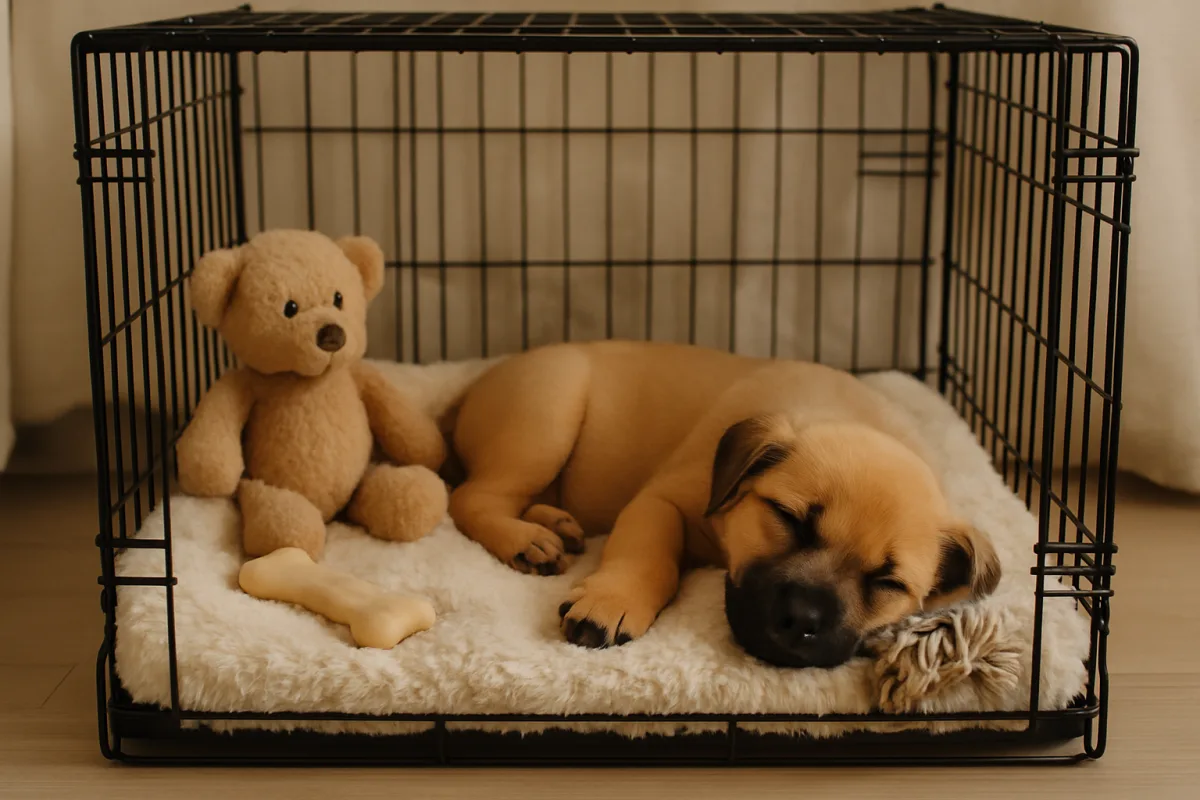
Puppy crate training can be stressful for both the puppy and the owner. To alleviate this stress, it's essential to create a positive environment around the crate. Start by introducing the crate gradually, using treats and toys to make it a comfortable space. Ensure the crate is appropriately sized—large enough for the puppy to stand and turn around, but not so spacious that it encourages them to eliminate inside. Establish a routine that includes regular breaks outside to relieve themselves. Patience and consistency are key; never use the crate as a punishment. Instead, reinforce positive behaviors with praise and rewards, helping your puppy associate the crate with safety and comfort.
Quick Summary
Crate training a puppy can be a challenging experience, often leading to stress for both the pet and owner. The key to a successful training process lies in creating a positive association with the crate. Gradually introduce your puppy to the crate, ensuring it is the right size and filled with comforting items. Establish a consistent routine that includes bathroom breaks and never use the crate as punishment. With patience and positive reinforcement, you can help your puppy feel secure and relaxed in their crate, making the training process smoother and more effective.
Curator Notes
Crate training can be a daunting task, especially for new puppy owners. The initial introduction to the crate is crucial; it should be a gradual process. Start by allowing your puppy to explore the crate with the door open, using treats and toys to create a positive association.
This helps them see the crate as a safe space rather than a confinement area. Choosing the right crate size is essential. A crate that is too large can encourage your puppy to eliminate inside, while one that is too small can cause discomfort.
Ideally, the crate should be just big enough for the puppy to stand, turn around, and lie down comfortably. This balance helps reinforce the idea that the crate is a cozy den. Establishing a routine is another vital aspect of crate training.
Puppies thrive on consistency, so create a schedule that includes regular feeding times, play sessions, and bathroom breaks. This routine not only helps your puppy learn when to expect crate time but also reduces anxiety by providing structure. Avoid using the crate as a form of punishment.
This can create negative associations and increase stress levels for your puppy. Instead, focus on positive reinforcement. When your puppy enters the crate willingly or remains calm inside, reward them with praise or treats.
This encourages them to view the crate as a safe haven. Monitoring your puppy's behavior during crate training is essential. If they show signs of distress, such as excessive barking or whining, it may indicate that they are not ready for extended periods in the crate.
Gradually increase the time they spend inside, ensuring they are comfortable and calm before leaving them alone. Finally, be patient. Crate training is a process that takes time and effort.
Each puppy is unique, and some may adapt more quickly than others. Celebrate small victories and remain consistent in your approach. With time, your puppy will learn to love their crate, reducing stress for both of you.
In summary, crate training should be a positive experience. By introducing the crate gradually, ensuring the right size, establishing a routine, and using positive reinforcement, you can help your puppy feel secure and comfortable. Remember, patience and consistency are your best tools in this journey.
Best Sources
Videos and Community Signals
Crate training is one of the most important skills for your puppy—but only if it's done right! If your puppy whines, barks, or struggles ...
Crate training your dog can be hard when you don't know what to do but there are some simple easy steps to help you have ...
Comparison
| Decision Point | Good Starting Choice | When to Go Further |
|---|---|---|
| Online booking | A simple booking page with service duration, staff assignment and confirmation emails. | Multi-location calendars, deposits, cancellation rules and waitlist handling. |
| Client records | Basic notes, visit history and contact details are enough to start. | Segmentation, purchase history, memberships, forms and before-after notes become more important. |
| Reminders | SMS or email reminders help reduce no-shows without adding admin work. | Automated rebooking, follow-up campaigns and missed-appointment recovery matter more. |
| Payments | Card capture and checkout should be simple and transparent. | Packages, memberships, staff commissions, tips and refunds need cleaner reporting. |
| Marketing | Light email or SMS campaigns are useful if they are easy to run. | Automated win-back, birthday offers, review requests and audience segments create more leverage. |
FAQ
Puppies can typically stay in a crate for one hour for each month of their age, up to a maximum of about 4-5 hours. Always ensure they have had a chance to relieve themselves before crating.
Crying can be a sign of anxiety or a need to relieve themselves. If your puppy cries, wait a moment to see if they settle down. If it continues, take them out for a bathroom break and try again.
Yes, the crate can be used to help with house training and teaching your puppy to be comfortable alone. Just ensure it remains a positive space.