Pull Up Progressions for Beginners
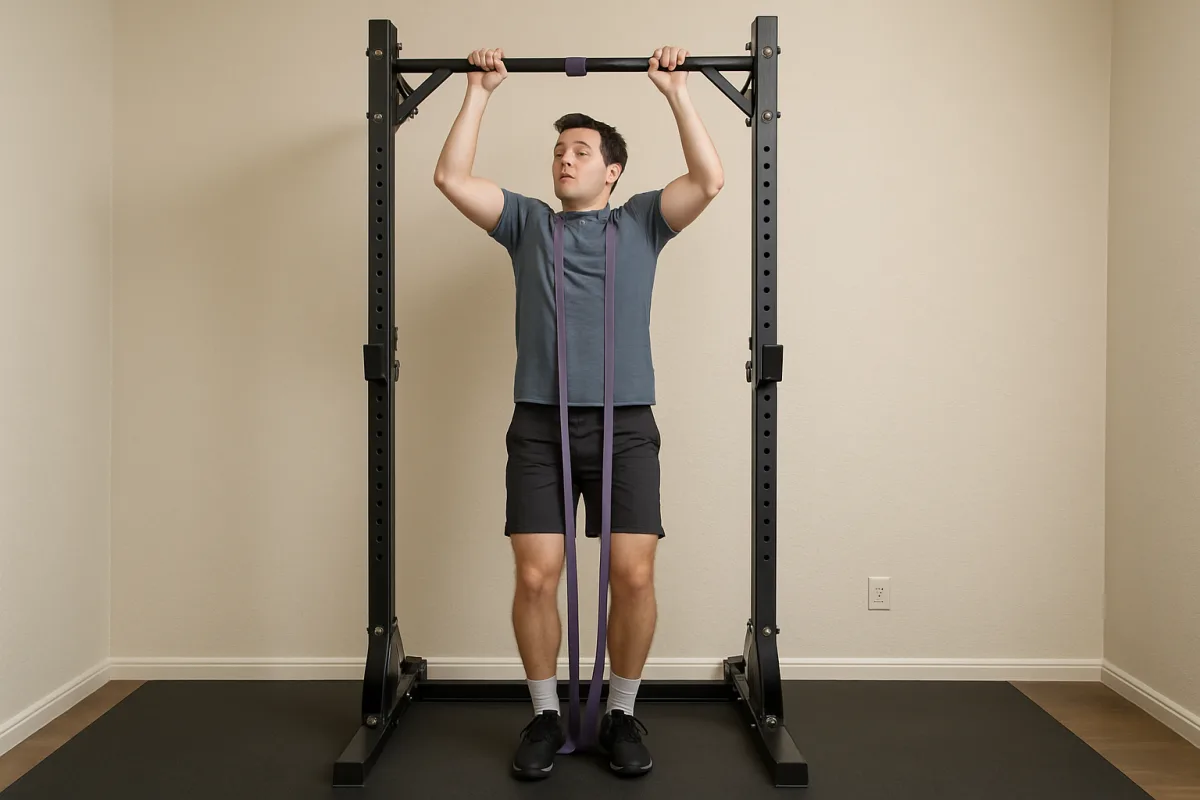
Pull up progressions for beginners involve a series of exercises designed to build the strength and technique necessary for performing a full pull-up. Start with assisted variations, such as band-assisted pull-ups or negative pull-ups, to develop the necessary muscle groups. Gradually progress to more challenging variations, including Australian pull-ups and eventually unassisted pull-ups. Consistency and proper form are crucial for success.
Quick Summary
This guide outlines effective pull-up progressions for beginners, focusing on exercises that build strength and technique. Starting with assisted variations, you will gradually work towards performing unassisted pull-ups. Key exercises include band-assisted pull-ups, negative pull-ups, and Australian pull-ups, all aimed at developing the necessary muscles and skills.
Curator Notes
Pull-ups are a challenging yet rewarding exercise that targets multiple muscle groups, including the back, shoulders, and arms. For beginners, it's essential to start with variations that allow you to build strength progressively. One effective method is to use resistance bands for assistance.
This allows you to perform the motion while reducing the weight you need to lift, making it easier to focus on form and technique. Another beneficial progression is the negative pull-up, where you start at the top position and slowly lower yourself down. This helps build strength in the muscles used for pull-ups without requiring you to lift your entire body weight initially.
As you become more comfortable, you can incorporate Australian pull-ups, which are performed at an incline and are less demanding than traditional pull-ups. Consistent practice with these progressions will lead to improved strength and eventually enable you to perform unassisted pull-ups successfully.
Recommended Options
- WOD Nation Resistance Bands: Best for Beginners needing assistance for pull-ups Durable bands that provide various resistance levels for all fitness levels. Signal checked: Highly rated on Amazon with thousands of positive reviews. Alternative to consider: Bodylastics Resistance Bands
- ProForm Pull-Up Bar: Best for Home workouts and pull-up training Sturdy design that can be mounted in doorways, suitable for various exercises. Signal checked: Popular choice among home fitness enthusiasts. Alternative to consider: Iron Gym Total Upper Body Workout Bar
Best Sources
Videos and Community Signals
Brad and Mike demonstrate how to do pull-ups for beginners or those over 50 years of age. Website: https://bobandbrad.com/ ...
Here are 10 easy progressions to help you learn how to do the pull-up! These can be done either if you're trying to learn the ...
Comparison
| Decision Point | Good Starting Choice | When to Go Further |
|---|---|---|
| Type of Assistance | Resistance bands for gradual strength building. | Weighted pull-ups for advanced strength training. |
| Progression Method | Negative pull-ups for muscle control. | Unassisted pull-ups for full strength development. |
FAQ
It varies by individual, but with consistent practice, most beginners can achieve their first unassisted pull-up within 4-8 weeks.
Pull-ups primarily target the latissimus dorsi, biceps, and shoulders, along with engaging the core.