Public vs Private Keys Explained
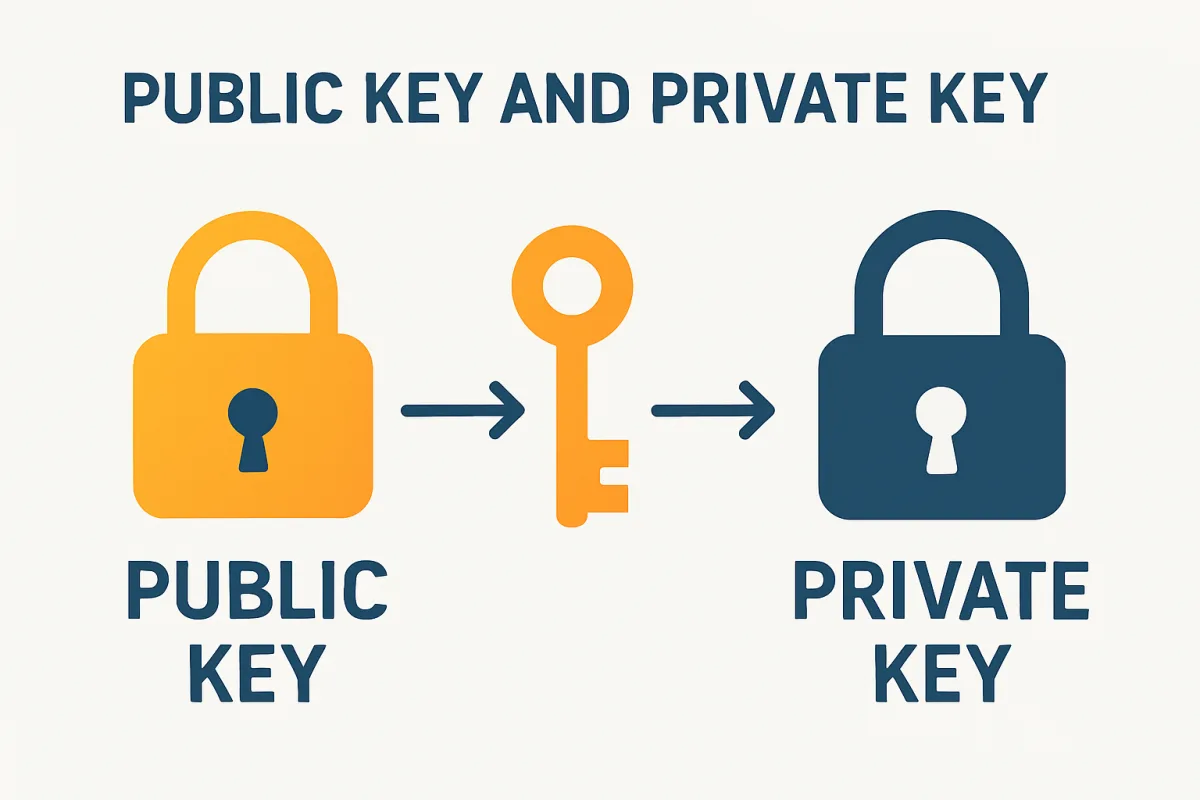
Public and private keys are fundamental components of cryptographic systems, particularly in blockchain and secure communications. A public key is shared openly and used to encrypt messages, while a private key is kept secret and used to decrypt those messages. Understanding the relationship and differences between these keys is crucial for maintaining security in digital transactions and communications.
Quick Summary
Public and private keys are essential in cryptography, enabling secure communication and transactions. The public key encrypts data, while the private key decrypts it. Knowing how these keys work together is vital for anyone involved in crypto or digital security.
Curator Notes
Public and private keys are integral to modern cryptographic systems, especially in blockchain technology. The public key is a cryptographic code that allows users to receive messages or digital signatures. It can be shared with anyone, making it a vital part of secure communications.
When someone sends a message encrypted with a public key, only the corresponding private key can decrypt it, ensuring that only the intended recipient can read the message. On the other hand, the private key must be kept confidential. It is used to sign transactions or messages, proving ownership and authenticity.
If someone gains access to your private key, they can impersonate you and access your assets. Therefore, understanding how to manage and protect your private key is crucial for maintaining security in any digital environment. The interplay between public and private keys forms the backbone of many security protocols, including SSL/TLS for secure web browsing and cryptocurrencies like Bitcoin.
Users must be educated about the importance of these keys to prevent unauthorized access and ensure the integrity of their digital communications.
Best Sources
Videos and Community Signals
If you own cryptocurrency, you most likely have a wallet where you keep your coins. However, these cryptocurrency wallets do not ...
Wallets in cryptocurrency work in a weird way. They also have some weird properties like: they can be created offline and be used ...
Comparison
| Decision Point | Good Starting Choice | When to Go Further |
|---|---|---|
| Online booking | A simple booking page with service duration, staff assignment and confirmation emails. | Multi-location calendars, deposits, cancellation rules and waitlist handling. |
| Client records | Basic notes, visit history and contact details are enough to start. | Segmentation, purchase history, memberships, forms and before-after notes become more important. |
| Reminders | SMS or email reminders help reduce no-shows without adding admin work. | Automated rebooking, follow-up campaigns and missed-appointment recovery matter more. |
| Payments | Card capture and checkout should be simple and transparent. | Packages, memberships, staff commissions, tips and refunds need cleaner reporting. |
| Marketing | Light email or SMS campaigns are useful if they are easy to run. | Automated win-back, birthday offers, review requests and audience segments create more leverage. |
FAQ
A public key is a cryptographic code that can be shared with anyone, allowing them to encrypt messages intended for the owner of the corresponding private key.
A private key is a secret cryptographic code used to decrypt messages that were encrypted with the corresponding public key. It must be kept confidential to ensure security.
They are crucial for secure communications and transactions in digital environments, ensuring that only intended recipients can access sensitive information.