Protein Sources for Vegetarians
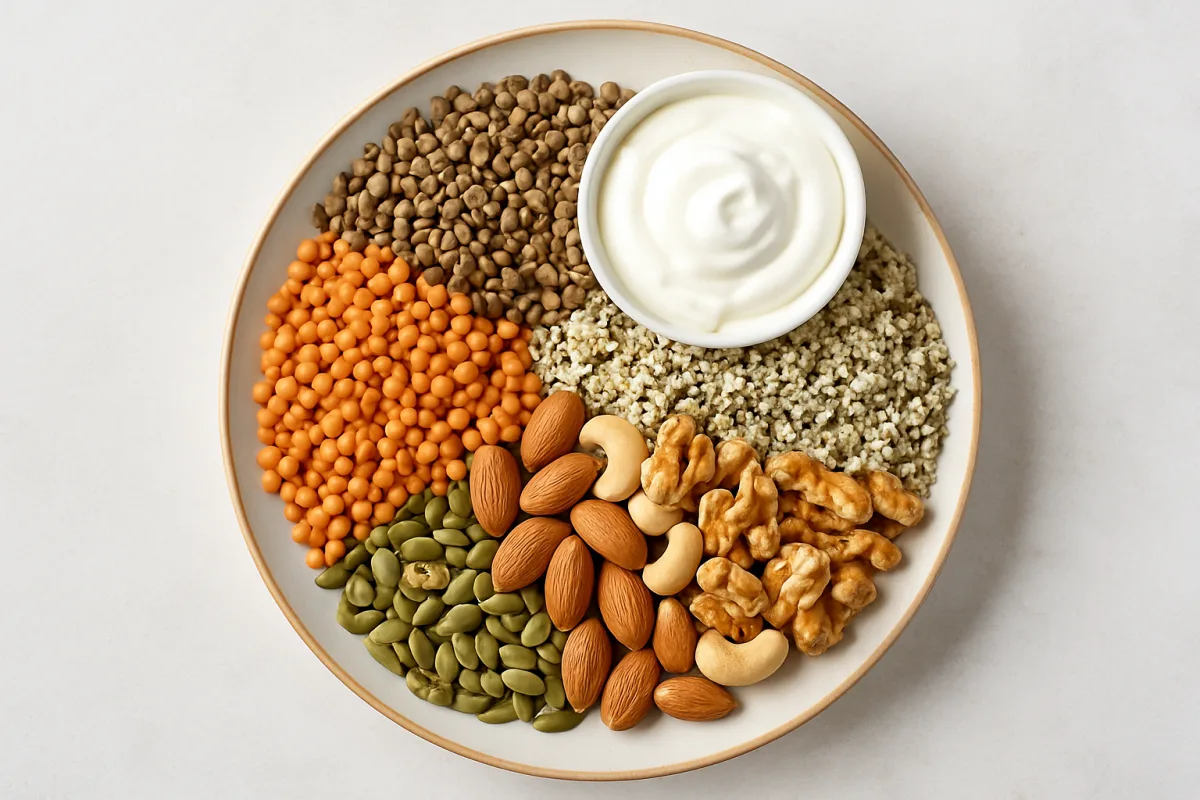
Vegetarians can obtain protein from a variety of sources, including legumes, dairy products, eggs, nuts, seeds, and whole grains. Legumes such as lentils and chickpeas are particularly rich in protein and fiber. Dairy products like Greek yogurt and cottage cheese offer high protein content along with calcium. Eggs are an excellent complete protein source. Nuts and seeds provide healthy fats and protein, while whole grains like quinoa and farro contribute additional protein and essential nutrients. Each option has unique benefits, making it easy for vegetarians to meet their protein needs.
Quick Summary
This guide explores various protein sources available for vegetarians, highlighting legumes, dairy, eggs, nuts, seeds, and whole grains. Each source offers unique nutritional benefits, ensuring that vegetarians can effectively meet their protein requirements while enjoying a diverse diet.
Curator Notes
Vegetarians have a wealth of protein sources to choose from, allowing them to maintain a balanced diet. Legumes, such as lentils and chickpeas, are not only high in protein but also rich in fiber, making them excellent for digestive health. Incorporating these into meals can significantly boost protein intake while providing essential nutrients.
Dairy products like Greek yogurt and cottage cheese are also great options, offering high protein content along with calcium for bone health. Eggs, considered a complete protein source, provide all essential amino acids, making them a staple in many vegetarian diets. Additionally, nuts and seeds are packed with healthy fats and protein, while whole grains like quinoa and farro add variety and essential nutrients to meals.
Each of these sources contributes uniquely to a vegetarian's protein needs, ensuring a diverse and nutritious diet.
Recommended Options
- Lentils: Best for High-protein meals Lentils are versatile, quick to cook, and rich in protein and fiber. Signal checked: Widely recommended by nutritionists for their health benefits. Alternative to consider: Chickpeas
- Greek Yogurt: Best for Snacks and breakfast High in protein and calcium, it can be eaten plain or with fruits. Signal checked: Popular among fitness enthusiasts for its nutritional profile. Alternative to consider: Cottage Cheese
- Quinoa: Best for Salads and side dishes A complete protein source that is gluten-free and easy to prepare. Signal checked: Highly rated for its nutritional benefits and versatility. Alternative to consider: Farro
Best Sources
Videos and Community Signals
The vegan diet has been linkedTrusted Source to several health benefits in terms of nutrients, weight loss, and a lower chance of ...
Sadhguru busts the myth that vegetarians can't get enough protein, and give a simple tip to ensure your body gets what it needs of ...
Comparison
| Decision Point | Good Starting Choice | When to Go Further |
|---|---|---|
| Protein content per serving | Lentils (18g per cup cooked) | Quinoa (8g per cup cooked) for a complete protein profile |
| Cooking time | Lentils (15-20 minutes) | Quinoa (15 minutes) for quicker preparation |
| Nutritional benefits | Greek Yogurt (high in protein and calcium) | Nuts (healthy fats and protein) for added nutrients |
FAQ
The best protein sources for vegetarians include legumes, dairy products, eggs, nuts, seeds, and whole grains.
Yes, with a diverse diet including various protein sources, vegetarians can easily meet their protein needs.