Protein Intake for Muscle Building
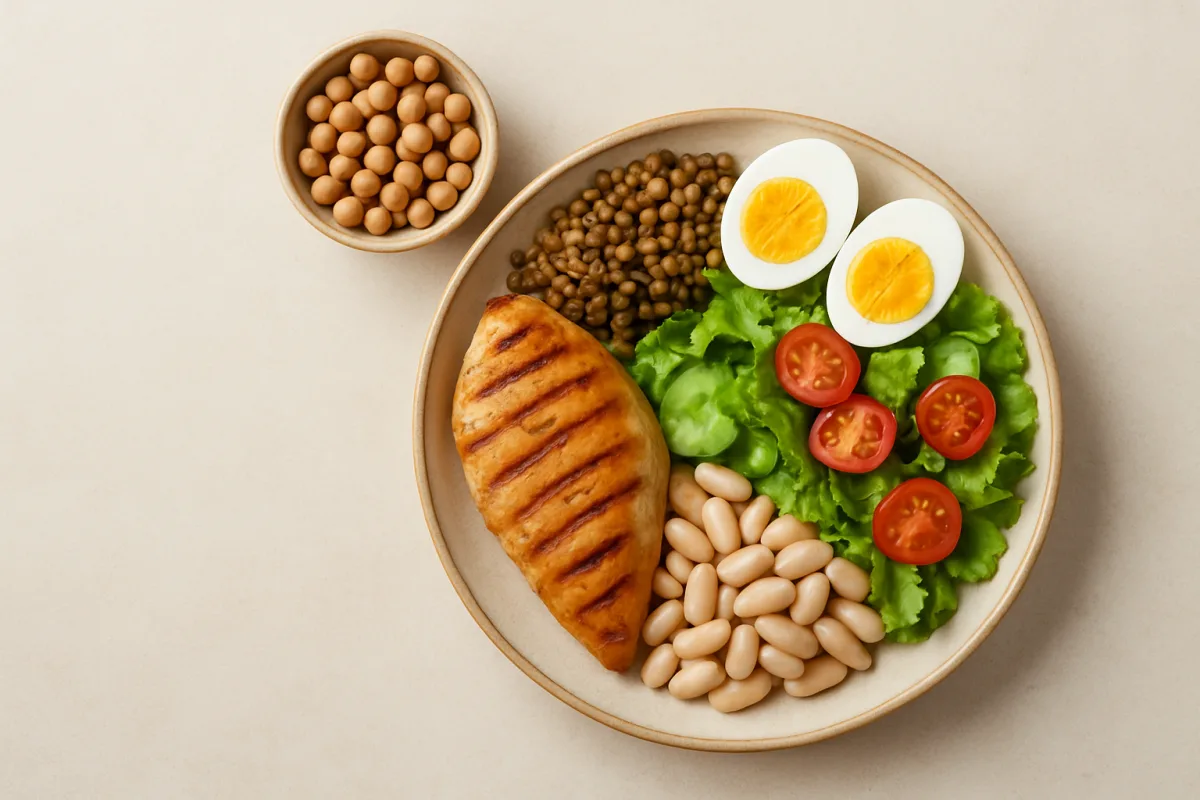
Protein intake is essential for muscle building, providing amino acids necessary for muscle repair and growth. For those engaged in strength training, a daily intake of 1.6 to 2.2 grams of protein per kilogram of body weight is recommended. This can be achieved through a mix of whole foods and protein supplements, tailored to individual dietary preferences. Distributing protein intake throughout the day enhances muscle protein synthesis, maximizing growth potential.
Quick Summary
Adequate protein intake is crucial for muscle building, with recommendations of 1.6 to 2.2 grams per kilogram of body weight. This intake can be sourced from whole foods and supplements, depending on individual needs. Spreading protein consumption throughout the day is vital for optimizing muscle growth.
Curator Notes
Protein plays a vital role in muscle building by supplying the necessary amino acids for muscle repair and growth. For individuals involved in strength training, the recommended protein intake ranges from 1.6 to 2.2 grams per kilogram of body weight. This range ensures that the body has enough protein to support muscle recovery and enhance growth after workouts.
To meet these protein needs, individuals can incorporate a variety of whole foods such as lean meats, dairy, legumes, and nuts, or opt for protein supplements like whey or plant-based proteins. It's important to distribute protein intake evenly throughout the day, as this strategy promotes muscle protein synthesis more effectively than consuming large amounts in a single meal. This approach not only aids in muscle recovery but also helps maintain a positive nitrogen balance, which is crucial for muscle growth.
Recommended Options
- Optimum Nutrition Whey Protein Isolate: Best for Individuals looking for a quick and effective protein source post-workout. High-quality protein with rapid absorption, ideal for muscle recovery. Signal checked: Widely reviewed with high ratings on fitness platforms. Alternative to consider: Casein Protein for slower digestion.
- Chicken Breast: Best for Those seeking a high-protein, low-fat whole food option. Rich in protein and versatile for various meals. Signal checked: Commonly recommended by nutritionists and fitness experts. Alternative to consider: Turkey Breast for a similar nutritional profile.
- Chobani Greek Yogurt: Best for Individuals wanting a convenient, high-protein snack. Contains probiotics and is versatile for meals or snacks. Signal checked: Popular among fitness enthusiasts for its nutritional benefits. Alternative to consider: Cottage Cheese for a similar protein content.
Best Sources
Videos and Community Signals
When it comes to how much protein you should be having per day, the recommendations can vary. There are studies that show ...
I'll teach you how to become the media's go-to expert in your field. Enroll in The Professional's Media Academy now: ...
Comparison
| Decision Point | Good Starting Choice | When to Go Further |
|---|---|---|
| Protein Source | Whole foods like chicken or fish for balanced nutrition. | Protein supplements for convenience and quick absorption. |
| Timing of Intake | Distributing protein across meals for muscle synthesis. | Post-workout protein shake for immediate recovery. |
| Dietary Preferences | Animal-based proteins for high bioavailability. | Plant-based proteins for vegan or lactose-intolerant individuals. |
FAQ
The recommended intake is 1.6 to 2.2 grams of protein per kilogram of body weight for those engaged in strength training.
Yes, whole foods can provide sufficient protein, but supplements can help meet higher needs or convenience.
Post-workout protein intake is generally recommended for optimal muscle recovery and growth.