Projectors vs TVs for Home Theater
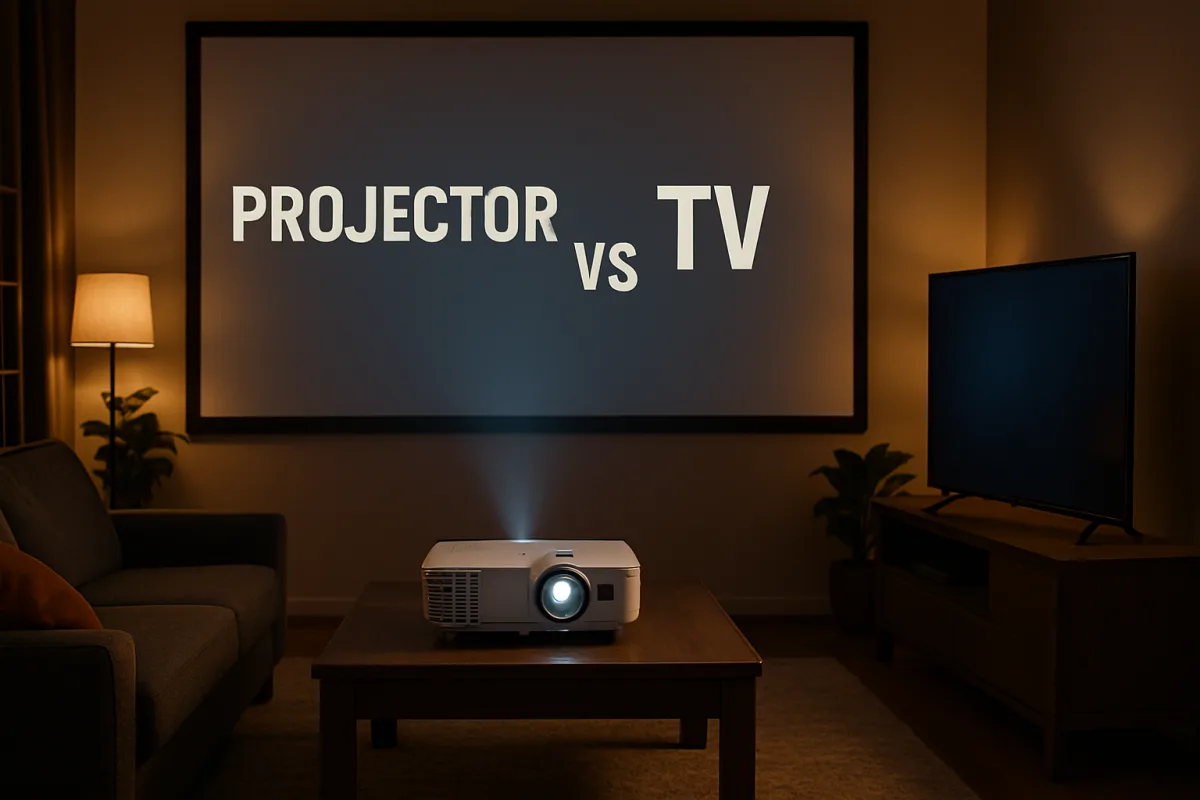
When choosing between projectors and TVs for home theater, consider factors like screen size, image quality, and viewing environment. Projectors typically offer larger screen sizes and a more cinematic experience, making them ideal for big spaces. However, they may require a dark room and regular maintenance. TVs, on the other hand, provide better brightness, color accuracy, and ease of use, making them suitable for various lighting conditions. Ultimately, the decision depends on your specific needs and viewing habits.
Quick Summary
Projectors and TVs each have unique advantages for home theater setups. Projectors excel in screen size and immersive experiences, while TVs offer superior brightness and color accuracy. Your choice should depend on your space, viewing preferences, and budget.
Curator Notes
When considering projectors versus TVs for home theater, the first factor to evaluate is screen size. Projectors can create much larger images than most TVs, making them ideal for a cinematic experience in larger rooms. They can project images of 100 inches or more, which can enhance the viewing experience for movies and sports.
However, this larger size often requires a darkened room to achieve the best image quality, as projectors generally struggle with brightness in well-lit environments. On the other hand, TVs have made significant advancements in technology, providing excellent brightness and color accuracy. Modern LED and OLED TVs can deliver vibrant colors and sharp images even in bright rooms.
They are also easier to set up and maintain, requiring less frequent adjustments compared to projectors. However, the maximum screen size is typically limited to around 85 inches for consumer models, which may not provide the same immersive experience as a projector in a large space. Ultimately, the choice between a projector and a TV will depend on your specific viewing habits, room size, and lighting conditions.
If you prioritize a large screen and a cinematic experience, a projector may be the better option. Conversely, if you prefer ease of use and superior image quality in various lighting conditions, a TV might be the way to go.
Recommended Options
- Epson Home Cinema 5050UB: Best for Cinematic experience in dark rooms Offers 4K enhancement and excellent color accuracy. Signal checked: Highly rated by users and experts for home theater setups. Alternative to consider: BenQ HT3550 for a more budget-friendly option.
- LG OLED65CXPUA: Best for Bright rooms with high-quality image needs Exceptional color accuracy and contrast with OLED technology. Signal checked: Consistently rated as one of the best TVs for home theater. Alternative to consider: Samsung QN90A for a high-end LED option.
Best Sources
Videos and Community Signals
this is the best TV vs Projector comparison in the world ! on the left TCL T8B 75inch Gaming TV ; https://www.tcl.com/tr/en/tvs/t8b ...
What's better for your home theater? Ian from JVC gives you the top 5 reasons to go with one of our D-ILA Home Theater ...
Comparison
| Decision Point | Good Starting Choice | When to Go Further |
|---|---|---|
| Screen Size | Up to 85 inches for TVs | 100 inches or more for projectors |
| Brightness | Suitable for bright rooms (TVs) | Requires dark rooms for optimal projector performance |
| Setup and Maintenance | Easy setup and minimal maintenance (TVs) | More complex setup and regular maintenance (projectors) |
| Image Quality | Good color accuracy (TVs) | Superior cinematic experience (projectors) |
FAQ
Projectors are generally better for large rooms due to their ability to create larger images.
While possible, projectors perform best in darkened environments; TVs are better suited for bright rooms.
Most projector bulbs last between 2,000 to 5,000 hours, depending on usage and settings.