Product Led Growth Explained
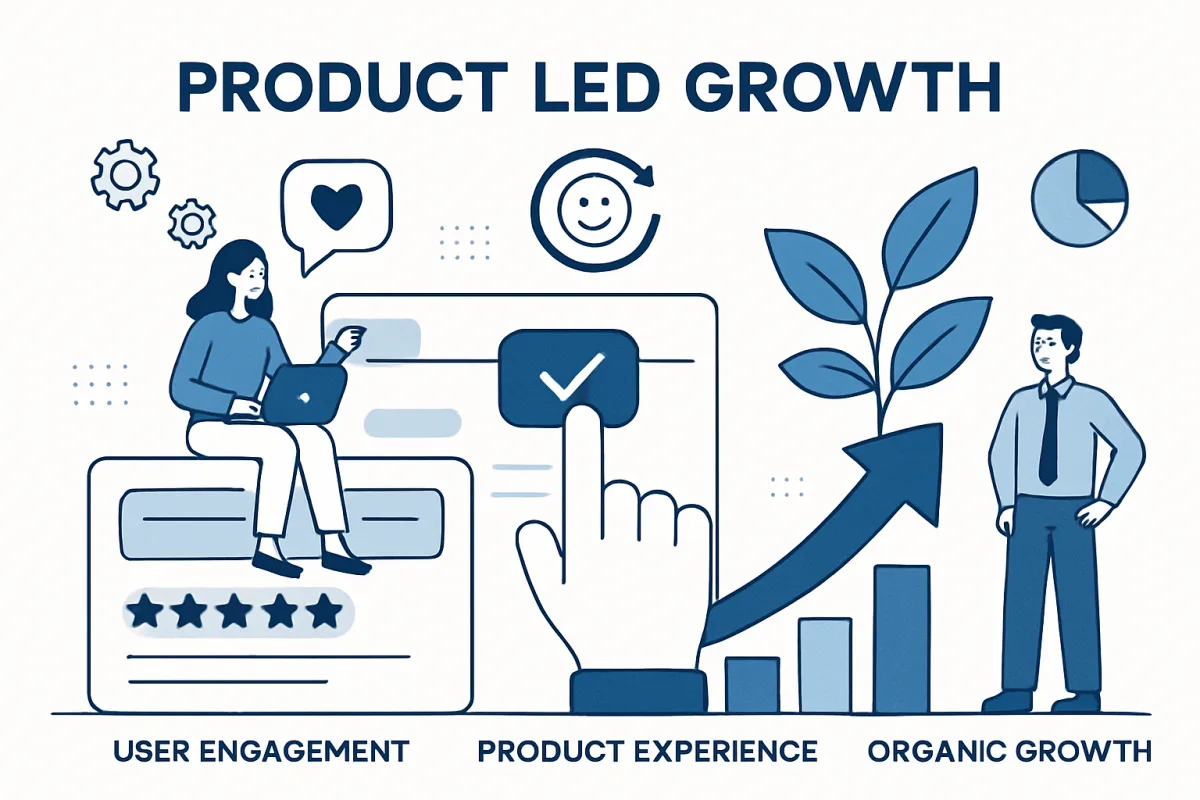
Product Led Growth (PLG) is a business strategy that relies on using a product as the primary driver of customer acquisition, retention, and expansion. This approach emphasizes delivering a product experience that encourages users to adopt and advocate for the product organically. Companies like Slack and Dropbox exemplify PLG by allowing users to experience the product's value before committing to a purchase, leading to higher conversion rates and customer loyalty.
Quick Summary
Product Led Growth (PLG) is a strategy where the product itself drives user acquisition and retention. By focusing on delivering an exceptional product experience, businesses can encourage organic growth through user advocacy. This approach has been successfully implemented by companies like Slack and Dropbox, showcasing its effectiveness in modern business.
Curator Notes
Product Led Growth (PLG) is an innovative approach that positions the product at the forefront of the customer journey. Instead of relying heavily on traditional sales and marketing tactics, PLG leverages the product's inherent value to attract and retain customers. This strategy is particularly effective in SaaS (Software as a Service) environments, where users can often try the product for free or at a low cost before making a purchase decision.
The success of PLG is rooted in its focus on user experience. Companies like Slack and Dropbox have demonstrated that when users can easily access and derive value from a product, they are more likely to share it with others. This organic growth mechanism not only reduces customer acquisition costs but also fosters a loyal user base that advocates for the product, further amplifying its reach.
However, implementing a PLG strategy requires a strong emphasis on product development and user feedback. Businesses must prioritize creating a seamless onboarding process and continuously iterate based on user needs and behaviors. This commitment to user-centric design is what ultimately differentiates successful PLG companies from those that rely on traditional growth strategies.
Best Sources
Videos and Community Signals
Lauryn Isford, head of product growth at Notion, breaks down PLG at our recent event. #productledgrowth #ceo #founders ...
Product-Led Growth (PLG) is a Go-to-Market motion and strategy that uses the product as the primary driver for acquisition, ...
Comparison
| Decision Point | Good Starting Choice | When to Go Further |
|---|---|---|
| Online booking | A simple booking page with service duration, staff assignment and confirmation emails. | Multi-location calendars, deposits, cancellation rules and waitlist handling. |
| Client records | Basic notes, visit history and contact details are enough to start. | Segmentation, purchase history, memberships, forms and before-after notes become more important. |
| Reminders | SMS or email reminders help reduce no-shows without adding admin work. | Automated rebooking, follow-up campaigns and missed-appointment recovery matter more. |
| Payments | Card capture and checkout should be simple and transparent. | Packages, memberships, staff commissions, tips and refunds need cleaner reporting. |
| Marketing | Light email or SMS campaigns are useful if they are easy to run. | Automated win-back, birthday offers, review requests and audience segments create more leverage. |
FAQ
The key benefits of PLG include reduced customer acquisition costs, increased user engagement, and a higher likelihood of user advocacy. By allowing users to experience the product's value upfront, companies can improve conversion rates and foster long-term customer loyalty.
Unlike traditional growth strategies that rely heavily on sales and marketing efforts, PLG focuses on the product itself as the main driver of growth. This approach emphasizes user experience and organic adoption, rather than pushing users through a sales funnel.