Print On Demand Platforms App
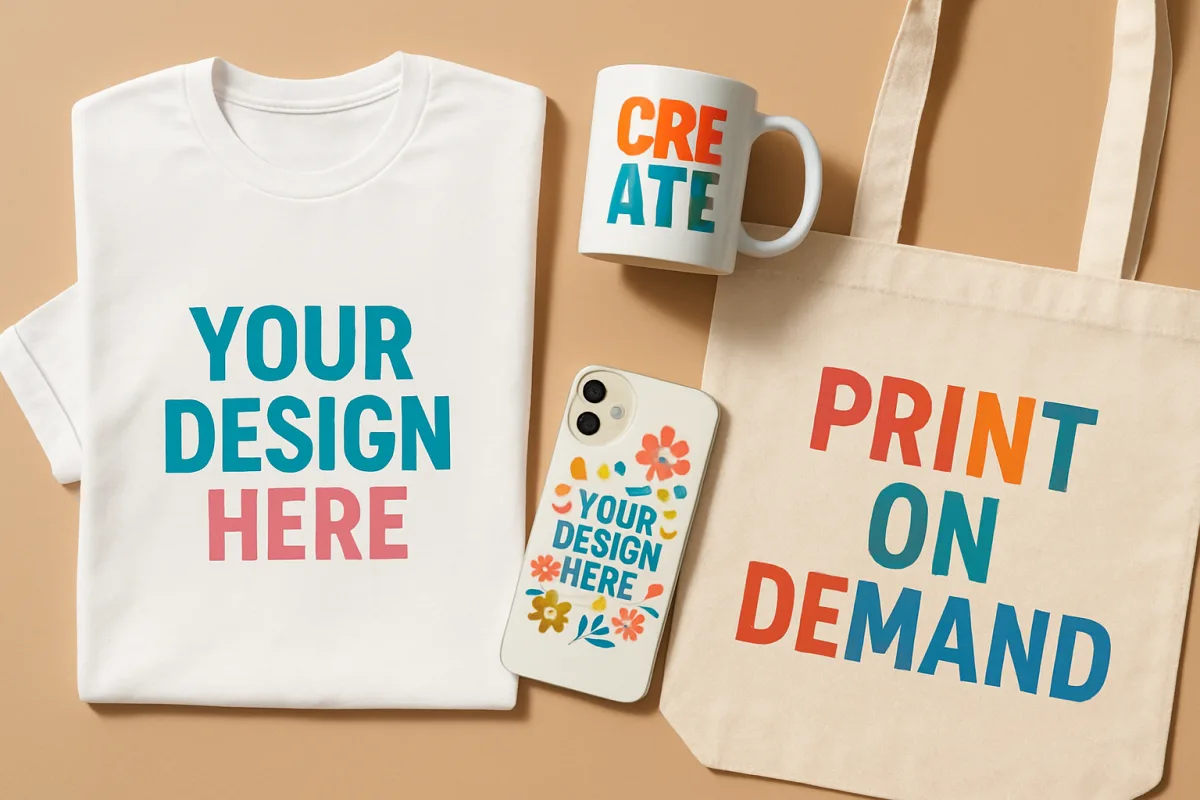
Print on demand (POD) platforms enable creators and entrepreneurs to sell custom products without holding inventory. Notable options include Printful, which integrates seamlessly with various e-commerce platforms and offers a wide range of products; Teespring, known for its user-friendly design tools and community-driven marketplace; and Redbubble, which focuses on artists and their unique designs. Each platform has its strengths, making it essential to choose based on your specific needs, such as product variety, ease of use, and integration capabilities.
Quick Summary
Choosing the right print on demand platform can significantly impact your e-commerce success. Printful stands out for its extensive product range and integration capabilities, making it ideal for serious entrepreneurs. Teespring offers a community-focused approach with easy design tools, perfect for creators looking to engage with their audience. Redbubble caters specifically to artists, allowing them to showcase their unique designs. Understanding the strengths of each platform will help you align your business goals with the right POD service.
Curator Notes
Print on demand platforms have revolutionized the way entrepreneurs and artists sell products. These services allow users to create and sell custom items without the burden of inventory management. The choice of platform can greatly influence your success, so it’s crucial to understand the options available.
Printful is often regarded as a top choice due to its extensive product catalog and seamless integration with major e-commerce platforms like Shopify and WooCommerce. This makes it an excellent option for those looking to scale their business quickly. However, the tradeoff is that Printful can be more expensive than some competitors, which may affect profit margins.
Teespring, now known as Spring, is another popular platform that emphasizes community and ease of use. It provides a straightforward design interface, making it accessible for beginners. The platform also allows users to create campaigns and engage with their audience directly.
However, the product range is somewhat limited compared to Printful, which may not suit all sellers. Redbubble is tailored for artists, allowing them to upload their designs and sell them on various products. The platform has a strong community aspect, which can help artists gain visibility.
However, the pricing structure can be less favorable for sellers, as Redbubble takes a significant cut of the profits. When selecting a POD platform, consider factors such as product variety, ease of use, and integration capabilities. Each platform has its strengths and weaknesses, so aligning your choice with your business model is essential.
For example, if you prioritize ease of use and community engagement, Teespring might be the best fit. Conversely, if you need a wide range of products and robust integrations, Printful could be the better option. Additionally, think about your target audience.
If you are an artist looking to showcase unique designs, Redbubble offers a great platform for that. However, if you want to create a more branded experience, Printful’s capabilities might serve you better. Ultimately, the right print on demand platform will depend on your specific needs and goals.
Take the time to explore each option and consider how they align with your vision for your business.
Recommended Options
- Printful: Best for Entrepreneurs needing extensive product options and integrations Offers a wide range of products and seamless integration with e-commerce platforms. Signal checked: Highly rated by users for its reliability and product quality. Alternative to consider: Teespring for easier design tools.
- Teespring: Best for Creators looking for community engagement and simplicity User-friendly design tools and a focus on community-driven sales. Signal checked: Popular among creators for its ease of use. Alternative to consider: Printful for more product variety.
- Redbubble: Best for Artists wanting to showcase unique designs Strong community focus and diverse product offerings for artists. Signal checked: Well-regarded in the artist community for visibility. Alternative to consider: Printful for better profit margins.
Best Sources
Videos and Community Signals
Printify: http://bit.ly/printify-rich Get 30-day premium free trial account with code: HUSTLENINJAS Get started with Shopify for just ...
This is how I'd start Print on Demand with $0 to my name in 2025. As far as I know, this is the most cost effective way to actually ...
Comparison
| Decision Point | Good Starting Choice | When to Go Further |
|---|---|---|
| Product Variety | Teespring for basic apparel and accessories. | Printful for extensive product options including home goods and apparel. |
| Ease of Use | Teespring for beginners with simple design tools. | Printful for users comfortable with more complex integrations. |
| Profit Margins | Redbubble for artists with lower upfront costs. | Printful for higher quality but potentially lower margins. |
FAQ
Print on demand is a business model that allows you to sell custom products without holding inventory. Products are printed and shipped only after an order is made.
Consider factors like product variety, ease of use, integration capabilities, and your target audience to find the best fit for your business.
Yes, most POD platforms charge fees for production and shipping, which can affect your profit margins. It's essential to review these costs before choosing a platform.