Portfolio Building Tips Tech
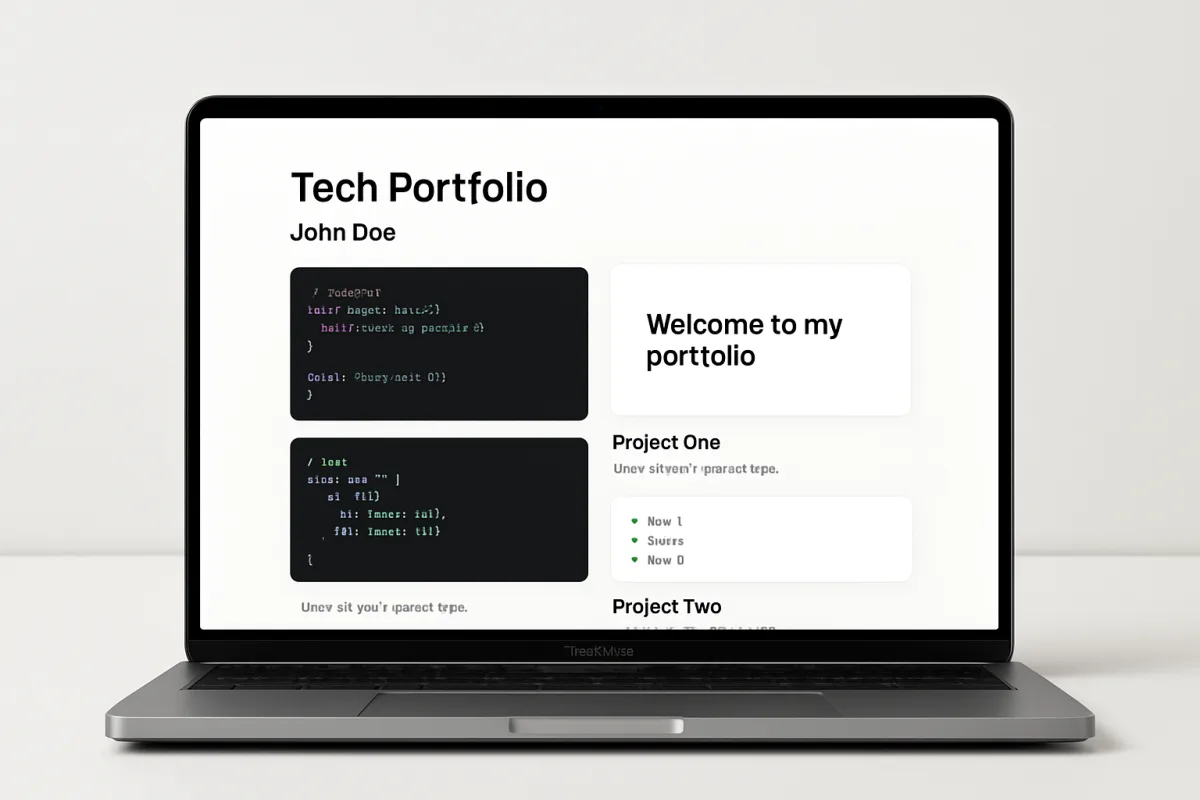
Building a strong portfolio in tech requires a strategic approach. Start by selecting projects that showcase your skills and versatility. Focus on quality over quantity; a few well-executed projects can be more impactful than a large number of mediocre ones. Tailor your portfolio to the specific roles you are targeting, emphasizing relevant technologies and methodologies. Additionally, consider including personal projects or contributions to open-source initiatives, as these demonstrate initiative and passion. Regularly update your portfolio to reflect your latest work and skills, ensuring it remains relevant in a fast-paced industry.
Quick Summary
Crafting an effective tech portfolio is essential for standing out in a competitive job market. Prioritize showcasing a diverse range of projects that highlight your technical skills and problem-solving abilities. Focus on quality and relevance, tailoring your portfolio to align with your career goals. Including personal and open-source projects can further enhance your appeal to potential employers. Regular updates are crucial to keep your portfolio aligned with industry trends and your evolving skill set.
Curator Notes
A well-structured tech portfolio is your best tool for showcasing your skills to potential employers. Start by curating a selection of projects that not only demonstrate your technical abilities but also reflect your problem-solving skills. Aim for a balance between different types of projects, such as personal, academic, and professional work.
This diversity can illustrate your adaptability and breadth of knowledge, which are highly valued in the tech industry. Quality should always take precedence over quantity. Instead of including every project you've ever worked on, focus on a few that truly highlight your strengths.
Each project should be presented clearly, with a brief description of the problem you solved, the technologies you used, and the outcome. This not only showcases your technical skills but also your ability to communicate complex ideas effectively. Tailoring your portfolio to the specific roles you are interested in is another critical step.
Research the skills and technologies that are in demand for the positions you’re targeting, and ensure your portfolio reflects these. If you're aiming for a role in web development, for instance, include projects that showcase your proficiency in relevant frameworks and languages. Incorporating personal projects or contributions to open-source initiatives can significantly enhance your portfolio.
These projects often demonstrate your passion for technology and your willingness to learn outside of formal settings. They can also provide a narrative about your interests and motivations, which can resonate with potential employers. Regularly updating your portfolio is essential in the fast-evolving tech landscape.
As you learn new skills or complete new projects, make it a habit to refresh your portfolio. This not only keeps your work relevant but also shows that you are committed to continuous learning and improvement. Lastly, consider the presentation of your portfolio.
A clean, professional layout can make a significant difference in how your work is perceived. Use platforms like GitHub Pages, Behance, or personal websites to create an engaging and user-friendly portfolio. Ensure that it is easy to navigate and that your projects are easily accessible.
In summary, a compelling tech portfolio is a combination of strategic project selection, quality presentation, and continuous updates. By focusing on these elements, you can create a portfolio that effectively showcases your skills and sets you apart in a competitive job market.
Best Sources
Videos and Community Signals
You need your design portfolios to find great clients, clients who are hiring and are reviewing thousands of portfolios, and you ...
The easiest way to make a portfolio Check out my links and resources here: https://beacons.ai/findfulfillingwork Follow to break out ...
Comparison
| Decision Point | Good Starting Choice | When to Go Further |
|---|---|---|
| Online booking | A simple booking page with service duration, staff assignment and confirmation emails. | Multi-location calendars, deposits, cancellation rules and waitlist handling. |
| Client records | Basic notes, visit history and contact details are enough to start. | Segmentation, purchase history, memberships, forms and before-after notes become more important. |
| Reminders | SMS or email reminders help reduce no-shows without adding admin work. | Automated rebooking, follow-up campaigns and missed-appointment recovery matter more. |
| Payments | Card capture and checkout should be simple and transparent. | Packages, memberships, staff commissions, tips and refunds need cleaner reporting. |
| Marketing | Light email or SMS campaigns are useful if they are easy to run. | Automated win-back, birthday offers, review requests and audience segments create more leverage. |
FAQ
Include a mix of personal, academic, and professional projects that showcase your skills and problem-solving abilities.
Regularly update your portfolio to reflect new skills and projects, ideally every few months or after completing significant work.
Focus on a few high-quality projects that demonstrate your skills effectively, rather than including many mediocre ones.