Polkadot Use Cases Explained
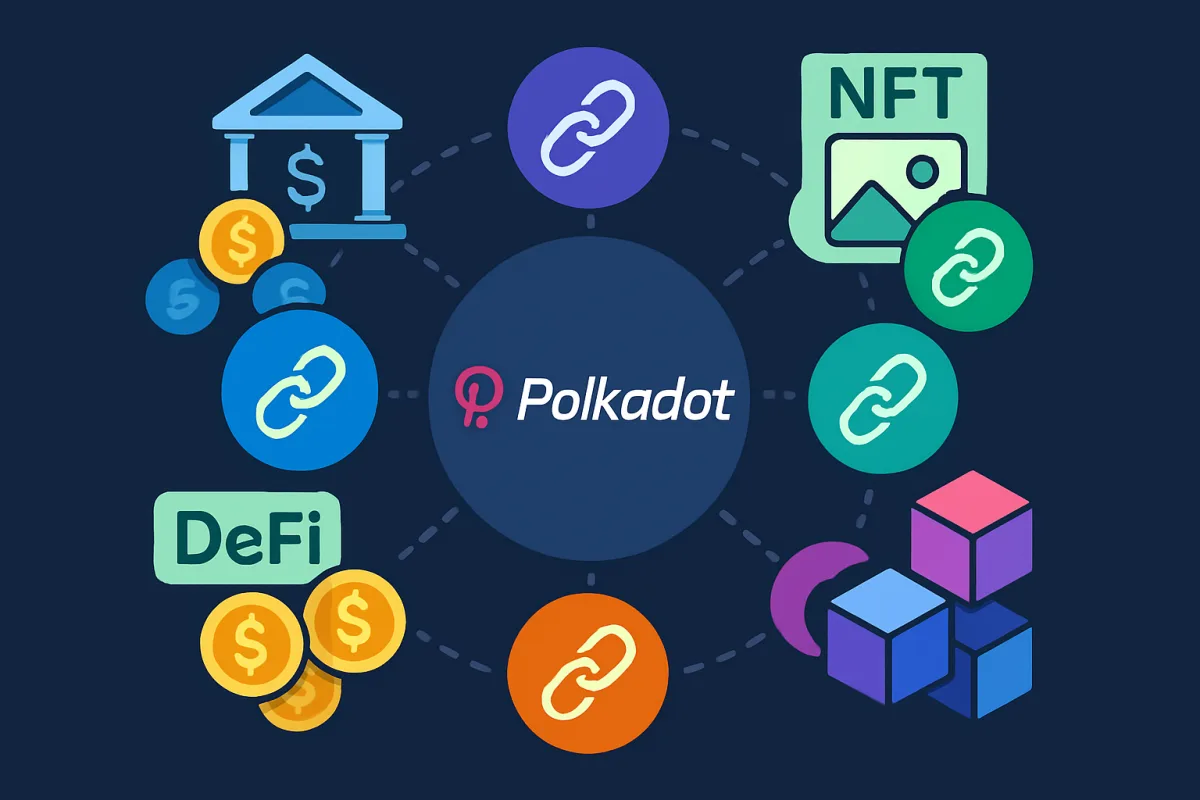
Polkadot is a multi-chain platform designed to enable different blockchains to interoperate. Its primary use cases include decentralized finance (DeFi), non-fungible tokens (NFTs), and cross-chain communication. By allowing various blockchains to share information and functionality, Polkadot enhances scalability and innovation in the blockchain ecosystem. Projects like Acala and Moonbeam leverage Polkadot's architecture to offer unique services, making it a versatile choice for developers and businesses alike.
Quick Summary
Polkadot's architecture facilitates a range of innovative use cases, primarily focusing on interoperability among blockchains. It supports decentralized finance (DeFi) applications, non-fungible tokens (NFTs), and cross-chain solutions. Projects built on Polkadot, such as Acala and Moonbeam, showcase its potential in creating scalable and efficient blockchain solutions. This versatility positions Polkadot as a key player in the evolving blockchain landscape, appealing to developers and enterprises seeking to harness its capabilities.
Curator Notes
Polkadot operates on a unique multi-chain architecture that allows different blockchains to communicate and share information seamlessly. This interoperability is one of its standout features, enabling developers to create decentralized applications (dApps) that can leverage the strengths of multiple blockchains. This is particularly beneficial for projects that require specific functionalities or want to tap into different user bases across various chains.
One of the most prominent use cases for Polkadot is in decentralized finance (DeFi). Platforms like Acala utilize Polkadot's capabilities to offer financial services such as lending, borrowing, and trading without the need for traditional intermediaries. This not only reduces costs but also enhances accessibility for users globally.
The flexibility of Polkadot's architecture allows these DeFi projects to innovate rapidly, adapting to market needs more efficiently than traditional finance systems. Non-fungible tokens (NFTs) are another significant area where Polkadot shines. Projects like RMRK enable creators to mint and trade NFTs with unique functionalities, such as dynamic attributes that can change over time.
This adds a layer of interactivity that is often lacking in NFTs on other platforms, making Polkadot an attractive option for artists and developers looking to push the boundaries of digital ownership. Cross-chain communication is yet another critical use case. Polkadot's design allows for the transfer of data and assets between different blockchains, which is essential for creating a cohesive ecosystem.
This capability is particularly useful for projects that want to integrate features from various chains, enhancing user experience and broadening their service offerings. However, while Polkadot offers numerous advantages, there are challenges to consider. The complexity of its architecture may pose a learning curve for new developers, and the ecosystem is still maturing.
As more projects launch, the competition will increase, which could affect the visibility and success of individual dApps. In summary, Polkadot's use cases are diverse and impactful, ranging from DeFi and NFTs to cross-chain solutions. Its ability to foster interoperability among blockchains positions it as a vital player in the blockchain space, appealing to developers and enterprises that aim to leverage its innovative capabilities.
As the ecosystem continues to evolve, Polkadot is likely to remain at the forefront of blockchain technology advancements.
Recommended Options
- Acala: Best for DeFi applications Acala offers a comprehensive suite of financial services, including stablecoins and decentralized exchanges, built on Polkadot. Signal checked: Acala has secured significant funding and partnerships, indicating strong market confidence. Alternative to consider: Moonbeam for cross-chain smart contracts.
- Moonbeam: Best for Cross-chain dApps Signal checked: Moonbeam has gained traction among developers looking to migrate Ethereum dApps to Polkadot. Alternative to consider: Acala for DeFi-focused projects.
Best Sources
Videos and Community Signals
Polkadot is a next-generation blockchain protocol designed to enable multiple blockchains to interoperate and share information ...
Speaker: Derek Yoo, Moonbeam. POLKADOT DECODED is a virtual conference for the Polkadot community, featuring talks and ...
Comparison
| Decision Point | Good Starting Choice | When to Go Further |
|---|---|---|
| Type of application | DeFi applications like Acala | Cross-chain dApps like Moonbeam |
| Interoperability | Single-chain functionality | Multi-chain communication capabilities |
FAQ
Polkadot is a multi-chain platform that enables different blockchains to interoperate, enhancing scalability and innovation.
Polkadot is primarily used for decentralized finance (DeFi), non-fungible tokens (NFTs), and cross-chain communication.