Platform Business Model Explained
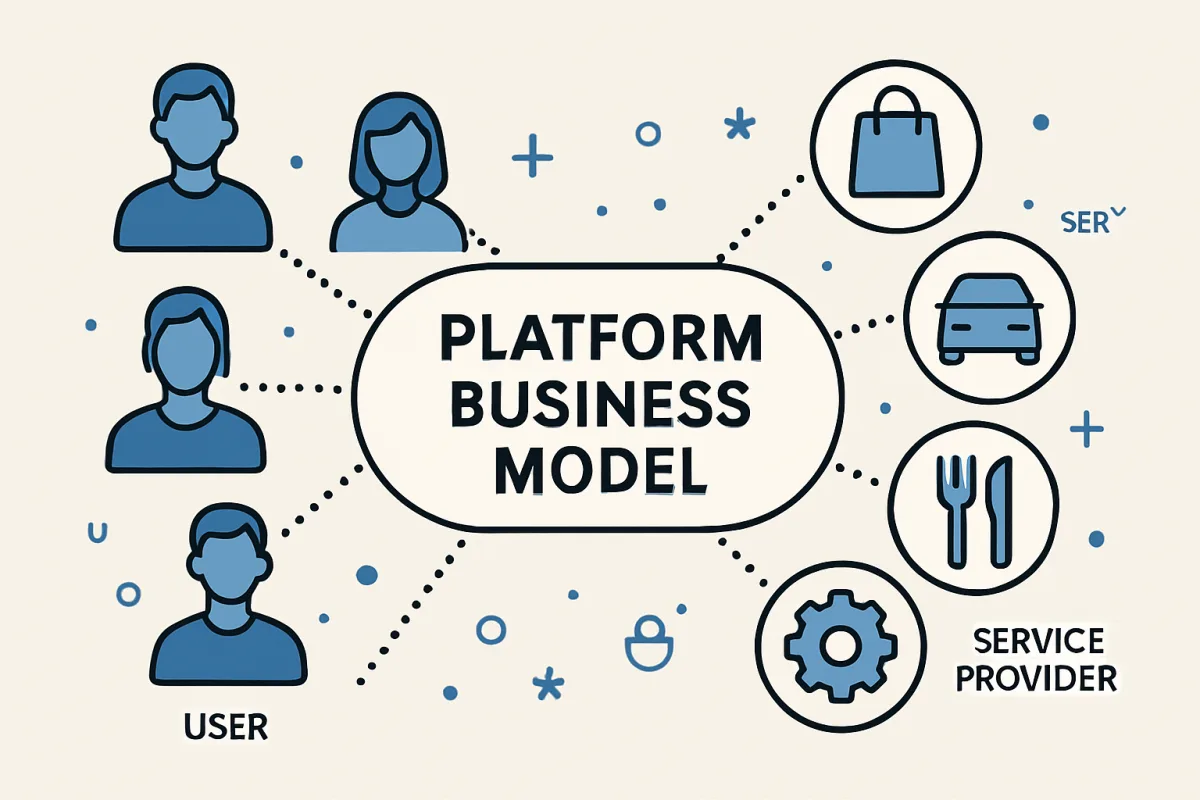
A platform business model connects users and providers, facilitating exchanges that create value. Unlike traditional businesses that produce goods or services, platforms leverage network effects to grow. Examples include Airbnb, which connects hosts with travelers, and Uber, linking drivers with riders. These models thrive on user engagement, data utilization, and scalability, making them increasingly popular in the digital economy. Understanding the nuances of platform dynamics is crucial for entrepreneurs looking to innovate or enter competitive markets.
Quick Summary
The platform business model is a transformative approach that connects users and providers to create value through exchanges. By leveraging network effects, platforms like Airbnb and Uber have disrupted traditional industries. This model emphasizes user engagement and data utilization, allowing for scalable growth. Entrepreneurs must grasp the intricacies of platform dynamics to successfully navigate this evolving landscape and capitalize on emerging opportunities.
Curator Notes
The platform business model fundamentally shifts how value is created and delivered in various industries. Unlike traditional businesses that focus on producing goods or services, platforms act as intermediaries that facilitate exchanges between users and providers. This model thrives on network effects, where the value increases as more participants join, creating a self-reinforcing cycle of growth and engagement.
Prominent examples include Airbnb and Uber, which have disrupted their respective markets by connecting hosts with travelers and drivers with riders. These platforms do not own the assets involved but instead leverage user-generated content and services. This approach allows for rapid scalability and adaptability, making it easier to enter new markets with lower capital investment.
However, the platform model is not without challenges. Maintaining user trust and ensuring quality control can be difficult, especially as the platform scales. Additionally, competition can be fierce, with many platforms vying for the same user base.
Entrepreneurs must be prepared to invest in marketing and user acquisition strategies to stand out in a crowded marketplace. Data utilization is another critical aspect of platform businesses. By analyzing user behavior and preferences, platforms can optimize their services, enhance user experience, and drive engagement.
This data-driven approach not only helps in refining offerings but also in creating targeted marketing strategies that resonate with users. While the potential for profit is significant, entrepreneurs should also consider the risks involved. Regulatory challenges, market saturation, and evolving consumer preferences can impact the sustainability of a platform business.
Understanding these dynamics is essential for long-term success. In conclusion, the platform business model represents a paradigm shift in how businesses operate. By connecting users and providers, platforms can create immense value and drive innovation.
However, navigating this landscape requires a keen understanding of market dynamics, user engagement, and data utilization. Entrepreneurs must be strategic in their approach to harness the full potential of this model.
Best Sources
Videos and Community Signals
This 20-minute video discusses the competitive position and expected future developments of platforms in the sharing economy ...
Right now, 6 of the top 10 most valuable companies in the world are “platform businesses,” including Apple and Amazon.
Comparison
| Decision Point | Good Starting Choice | When to Go Further |
|---|---|---|
| Online booking | A simple booking page with service duration, staff assignment and confirmation emails. | Multi-location calendars, deposits, cancellation rules and waitlist handling. |
| Client records | Basic notes, visit history and contact details are enough to start. | Segmentation, purchase history, memberships, forms and before-after notes become more important. |
| Reminders | SMS or email reminders help reduce no-shows without adding admin work. | Automated rebooking, follow-up campaigns and missed-appointment recovery matter more. |
| Payments | Card capture and checkout should be simple and transparent. | Packages, memberships, staff commissions, tips and refunds need cleaner reporting. |
| Marketing | Light email or SMS campaigns are useful if they are easy to run. | Automated win-back, birthday offers, review requests and audience segments create more leverage. |
FAQ
A platform business model connects users and providers, facilitating exchanges that create value, often leveraging network effects for growth.
These platforms connect users with service providers, allowing for transactions without owning the assets involved, thus reducing capital investment.
Key advantages include scalability, lower capital requirements, and the ability to leverage user-generated content for continuous improvement.
Challenges include maintaining user trust, ensuring quality control, and facing intense competition in saturated markets.
Data can optimize services, enhance user experience, and inform targeted marketing strategies, driving engagement and retention.