Pitch Deck Slide Order Explained
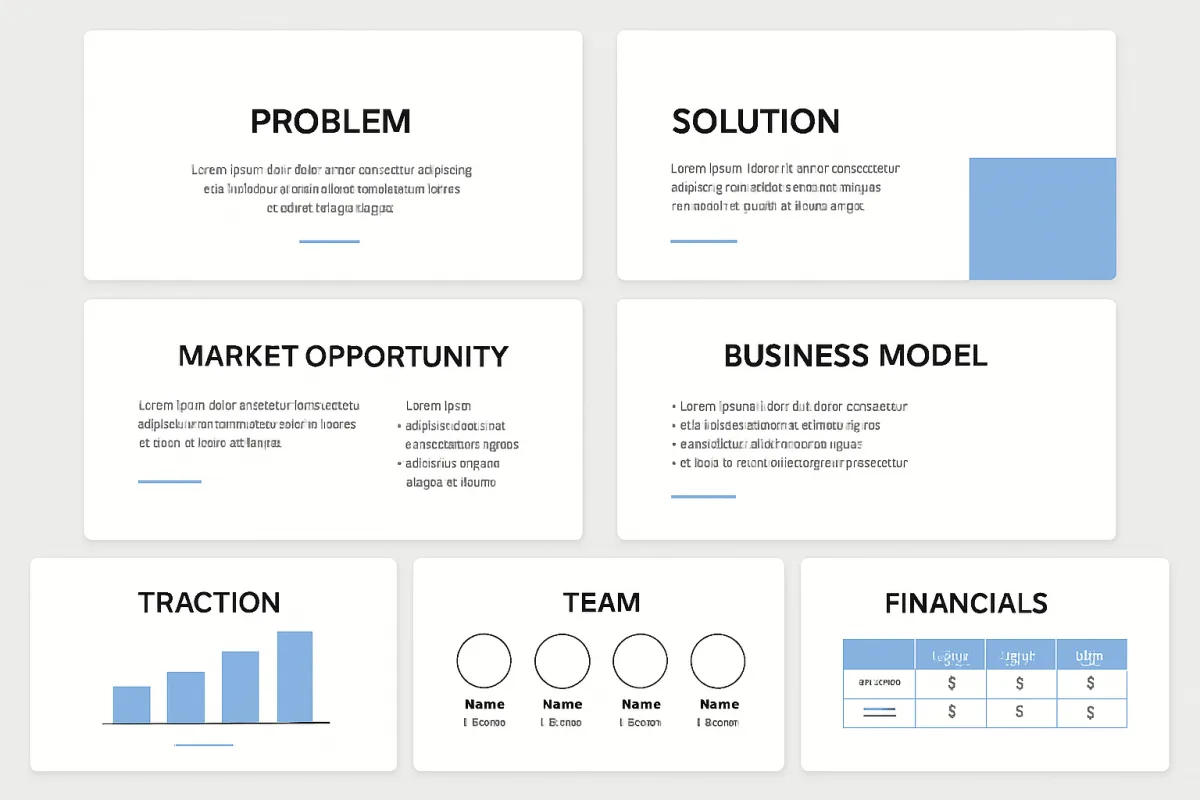
The ideal pitch deck slide order typically follows a structured narrative that includes the problem, solution, market opportunity, business model, traction, team, and financials. This sequence helps guide the audience through your story, ensuring clarity and engagement. Each slide should build upon the last, creating a logical flow that highlights your startup's potential and readiness for investment.
Quick Summary
Understanding the right order for your pitch deck slides is crucial for effectively communicating your business idea. A well-structured pitch deck typically starts with the problem your startup addresses, followed by your solution, market opportunity, business model, traction, team, and financial projections. This order not only captures attention but also logically leads investors through your narrative, making it easier for them to grasp the value of your proposition.
Curator Notes
Creating a compelling pitch deck is essential for attracting investors, and the order of your slides plays a significant role in how your message is received. Starting with the problem sets the stage for why your business exists. Clearly articulating the pain point ensures that your audience understands the need for your solution right from the beginning.
Following the problem, your solution should be presented in a straightforward manner. This is where you explain how your product or service addresses the identified issue. It's important to be concise and focus on the unique aspects that differentiate your offering from competitors.
Next, delve into the market opportunity. Providing data on market size, growth potential, and target demographics can significantly bolster your case. Investors want to see that there is a substantial market for your solution, so including relevant statistics and trends is vital.
After establishing the market landscape, outline your business model. Explain how you plan to generate revenue and what your pricing strategy will be. This slide should clarify the sustainability of your business and how it will scale over time.
Traction is another critical slide that showcases your progress. Highlight key milestones, partnerships, or user growth metrics. This evidence of traction can instill confidence in investors, showing that your business is gaining momentum.
The team slide should follow, emphasizing the strengths and experiences of your key team members. Investors often invest in people as much as in ideas, so showcasing a capable and experienced team can be a strong selling point. Finally, present your financial projections.
This slide should include forecasts for revenue, expenses, and profitability. Be realistic and prepared to discuss the assumptions behind your projections. This transparency can help build trust with potential investors.
In summary, the recommended slide order—problem, solution, market opportunity, business model, traction, team, and financials—creates a logical narrative that guides investors through your pitch. Each slide should complement the others, building a cohesive story that highlights your startup's potential and readiness for investment.
Best Sources
Videos and Community Signals
In this episode, I wanted to share my thoughts on what an investor really wants to see in your pitch presentation. If you want to ...
In this video, you'll learn how to create an investor-ready problem slide for your startup's pitch deck. We'll walk through what to ...
Comparison
| Decision Point | Good Starting Choice | When to Go Further |
|---|---|---|
| Online booking | A simple booking page with service duration, staff assignment and confirmation emails. | Multi-location calendars, deposits, cancellation rules and waitlist handling. |
| Client records | Basic notes, visit history and contact details are enough to start. | Segmentation, purchase history, memberships, forms and before-after notes become more important. |
| Reminders | SMS or email reminders help reduce no-shows without adding admin work. | Automated rebooking, follow-up campaigns and missed-appointment recovery matter more. |
| Payments | Card capture and checkout should be simple and transparent. | Packages, memberships, staff commissions, tips and refunds need cleaner reporting. |
| Marketing | Light email or SMS campaigns are useful if they are easy to run. | Automated win-back, birthday offers, review requests and audience segments create more leverage. |
FAQ
Typically, a pitch deck should contain between 10 to 15 slides. This allows you to cover essential topics without overwhelming your audience.
Aim for about 1-2 minutes per slide, which means a total pitch time of around 10-20 minutes, allowing time for questions afterward.
Yes, visuals can help convey your message more effectively. Use graphs, images, and infographics to illustrate key points and maintain audience engagement.