Payment Processing Fees Compared
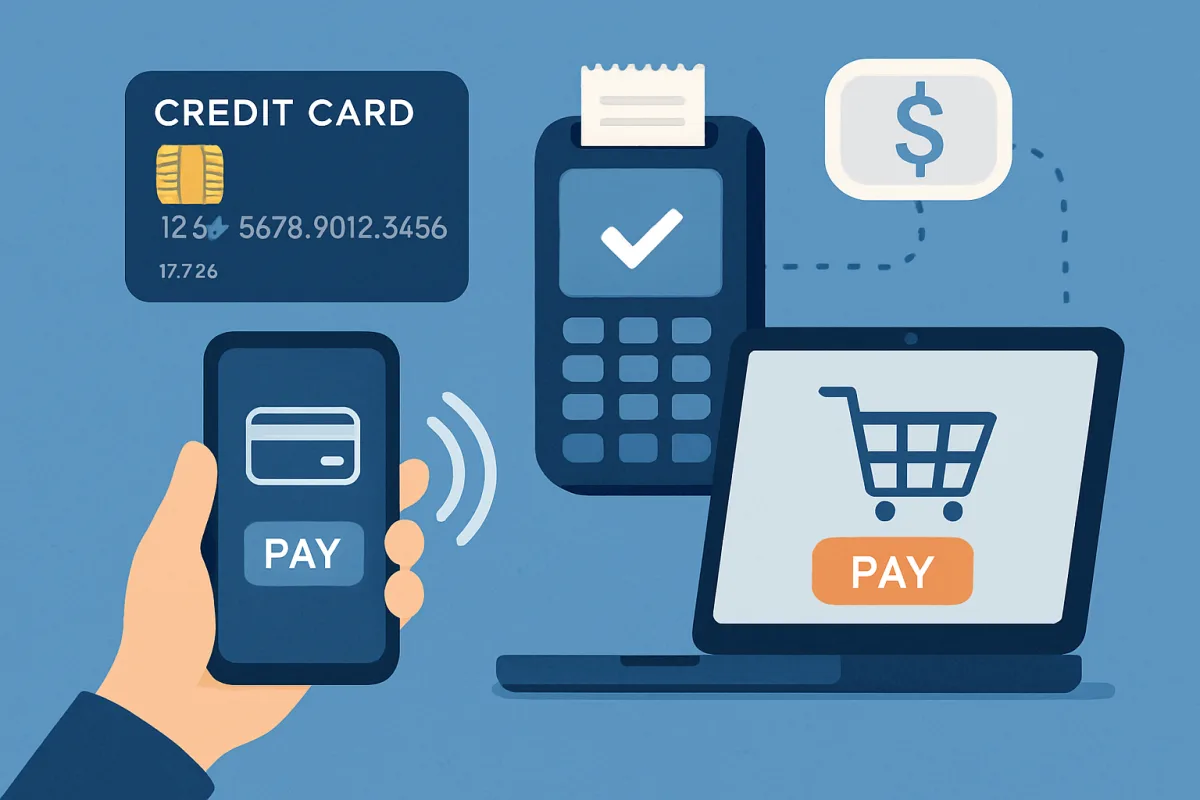
Payment processing fees can vary significantly based on the provider, transaction volume, and business type. Common fees include flat-rate, tiered, and interchange-plus pricing models. For example, PayPal charges 2.9% + $0.30 per transaction, while Square offers a similar rate with additional features for small businesses. Understanding these fees is crucial for selecting the right payment processor for your business needs.
Quick Summary
Choosing the right payment processor involves understanding various fee structures. This guide compares common payment processing fees from major providers, helping businesses make informed decisions. Key factors include transaction rates, monthly fees, and additional costs that may arise based on business type and transaction volume.
Curator Notes
Payment processing fees are essential for businesses to consider when selecting a payment processor. These fees can be categorized into several models: flat-rate, tiered, and interchange-plus. Flat-rate pricing, like that offered by PayPal and Square, charges a consistent percentage per transaction, making it straightforward for businesses with predictable sales volumes.
However, this model may not be the most cost-effective for high-volume merchants due to its lack of flexibility. On the other hand, tiered pricing structures can offer lower rates for certain transaction types but may lead to confusion regarding actual costs. Interchange-plus pricing is often favored by larger businesses as it provides transparency by separating the interchange fees from the processor's markup.
Each model has its pros and cons, and businesses should evaluate their specific needs, such as transaction volume and average sale size, to determine the best fit. Additionally, businesses should also consider other factors like monthly fees, chargeback fees, and the availability of customer support. Understanding these elements can significantly impact overall costs and operational efficiency.
By comparing different providers and their fee structures, businesses can make informed decisions that align with their financial goals.
Recommended Options
- PayPal: Best for Small to medium-sized businesses Widely recognized, easy to set up, and offers robust features. Signal checked: 2.9% + $0.30 per transaction; popular among e-commerce sites. Alternative to consider: Square
- Square: Best for Retail businesses and service providers Offers integrated POS solutions and no monthly fees. Signal checked: 2.6% + $0.10 per transaction; strong user reviews. Alternative to consider: Stripe
- Stripe: Best for Online businesses and developers Signal checked: 2.9% + $0.30 per transaction; extensive documentation. Alternative to consider: Braintree
Best Sources
Videos and Community Signals
Confused by your credit card processing statement? You're not alone. With 10+ years of experience, Amad breaks down the ...
Credit card processing fees explained in 2 minutes: see how banks, networks & processors split sales—and why Square's flat-rate ...
Comparison
| Decision Point | Good Starting Choice | When to Go Further |
|---|---|---|
| Transaction Fees | Flat-rate pricing for predictable costs. | Interchange-plus for transparency and potential savings. |
| Monthly Fees | No monthly fees for smaller businesses. | Consider monthly fees for additional features and support. |
| Chargeback Fees | Understand potential costs associated with disputes. | Evaluate providers with lower chargeback fees. |
FAQ
Most payment processors charge between 2.5% to 3.5% per transaction, plus a fixed fee.
Yes, some providers may charge additional fees for chargebacks, monthly maintenance, or account setup.