Osteoporosis Prevention Guide
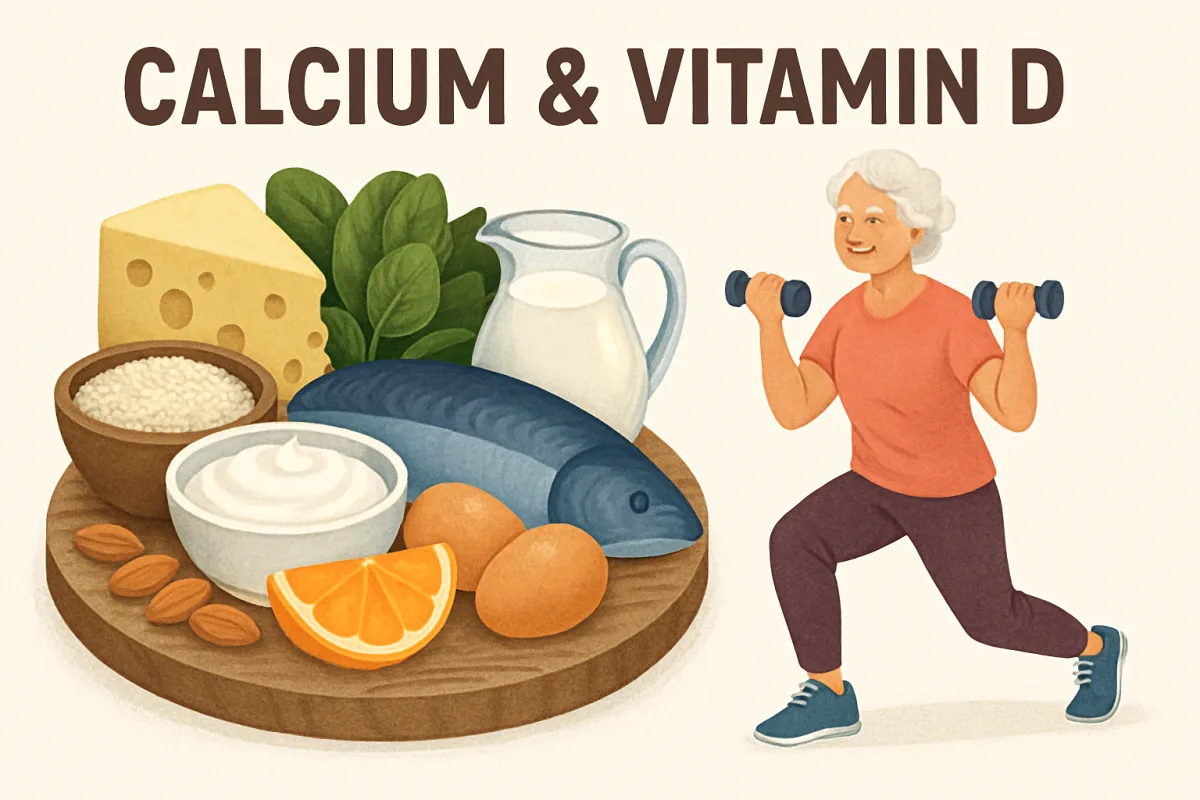
Osteoporosis prevention involves a combination of lifestyle changes, dietary adjustments, and medical interventions. Key strategies include consuming adequate calcium and vitamin D, engaging in weight-bearing exercises, avoiding smoking, and limiting alcohol intake. Regular screenings and consultations with healthcare providers are also essential for early detection and management of bone health.
Quick Summary
Preventing osteoporosis is crucial for maintaining bone health, especially in older adults. Effective strategies include a balanced diet rich in calcium and vitamin D, regular physical activity, and avoiding harmful habits like smoking. Regular check-ups can help monitor bone density and overall health.
Curator Notes
Osteoporosis is a condition characterized by weakened bones, increasing the risk of fractures. Prevention is vital, particularly for individuals at higher risk due to age, gender, or family history. A well-rounded approach includes dietary changes, such as increasing calcium and vitamin D intake.
Foods like dairy products, leafy greens, and fortified cereals can help meet these nutritional needs. Vitamin D is particularly important as it aids calcium absorption, and sunlight exposure can also boost levels naturally. In addition to dietary measures, engaging in regular weight-bearing exercises, such as walking, jogging, or resistance training, can strengthen bones and improve balance, reducing the risk of falls.
Lifestyle choices play a significant role; avoiding smoking and limiting alcohol consumption can further protect bone health. Regular screenings for bone density, especially for postmenopausal women and older adults, can help identify those at risk and allow for timely interventions, such as medications that strengthen bone density. Ultimately, a proactive approach combining nutrition, exercise, and medical guidance is the best way to prevent osteoporosis and maintain strong bones throughout life.
Recommended Options
- Citracal Calcium Supplements: Best for Individuals needing additional calcium intake Citracal offers a well-absorbed calcium citrate formula, ideal for those with lower stomach acid. Signal checked: Highly rated by users for effectiveness and ease of digestion. Alternative to consider: Nature Made Calcium
- NatureWise Vitamin D Supplements: Best for Individuals with limited sun exposure NatureWise provides a high-potency vitamin D3 supplement that supports calcium absorption. Signal checked: Popular among users for improving bone health and overall wellness. Alternative to consider: Garden of Life Vitamin D
- Weight-Bearing Exercise Programs: Best for Individuals looking to improve bone strength through physical activity Programs like SilverSneakers offer tailored workouts for older adults to enhance bone health. Signal checked: Widely recommended by health professionals for osteoporosis prevention. Alternative to consider: Local community fitness classes
Best Sources
Videos and Community Signals
Dr. Jen Ashton answers viewers' health questions. SUBSCRIBE to GMA3's YouTube page: https://bit.ly/3kNlst8 VISIT GMA's ...
In this informative video, we delve into effective strategies to increase your bone density and promote overall bone health.
Comparison
| Decision Point | Good Starting Choice | When to Go Further |
|---|---|---|
| Calcium Source | Dietary sources like dairy and leafy greens | Supplements for those unable to meet dietary needs |
| Exercise Type | Walking or light activities | Resistance training for stronger bones |
| Medical Consultation | Annual check-ups for bone health | Regular bone density tests for at-risk individuals |
FAQ
Dairy products, leafy greens, almonds, and fortified foods are excellent sources of calcium.
Women over 65 and men over 70 should have a bone density test every 2 years or as recommended by their doctor.
While osteoporosis cannot be completely reversed, its progression can be slowed or halted with proper treatment and lifestyle changes.