Organic vs Paid Marketing Compared
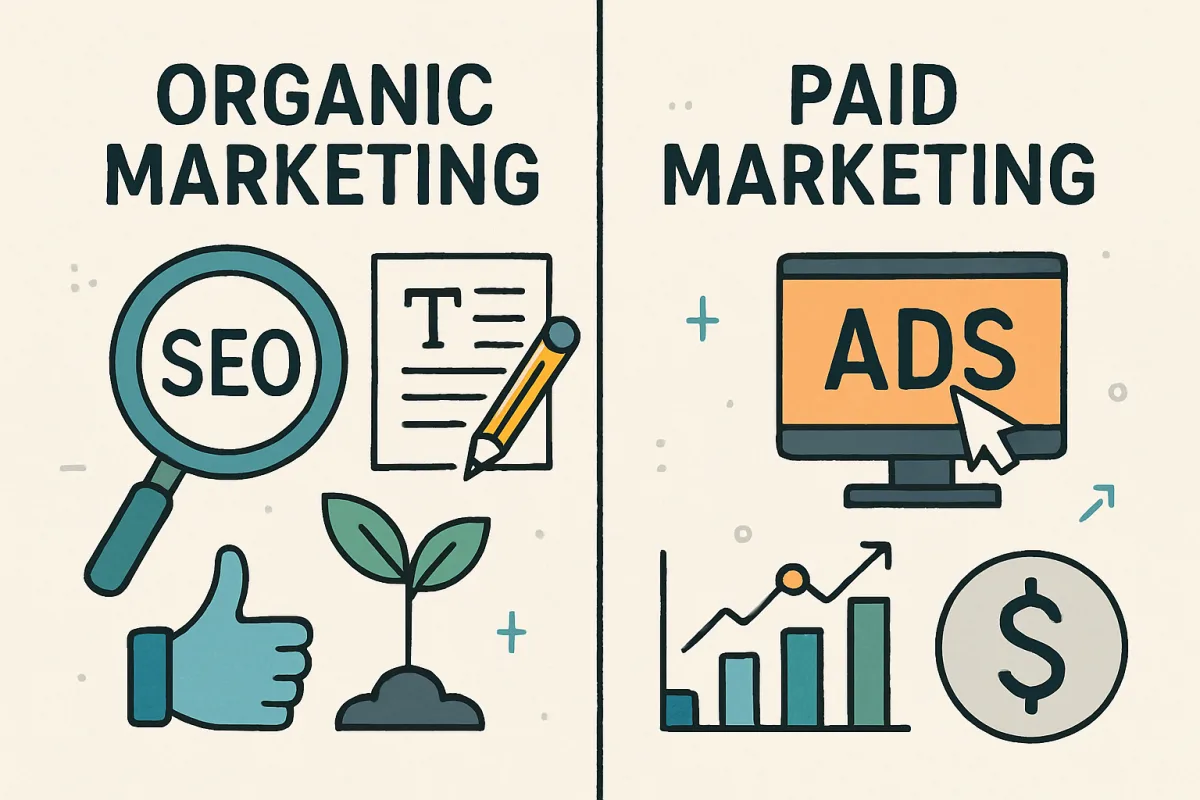
Organic marketing focuses on building a brand's presence through unpaid strategies like SEO and content marketing, while paid marketing involves investing in ads to reach a wider audience quickly. Organic methods are cost-effective long-term but require time to build momentum, whereas paid strategies yield immediate results but can be costly over time. The choice depends on budget, timeline, and marketing goals.
Quick Summary
This comparison explores the key differences between organic and paid marketing strategies. Organic marketing builds brand presence through unpaid channels, while paid marketing offers immediate visibility through ads. Understanding the trade-offs helps businesses choose the right approach based on their goals and resources.
Curator Notes
Organic marketing involves strategies that do not require direct payment for visibility, such as search engine optimization (SEO), social media engagement, and content marketing. These methods focus on building a loyal audience over time, fostering trust and credibility. While organic marketing can be cost-effective in the long run, it often requires significant time and effort to see substantial results.
Businesses that prioritize brand loyalty and sustainable growth may find organic methods more beneficial. On the other hand, paid marketing encompasses strategies that involve spending money to promote products or services, such as pay-per-click (PPC) advertising, social media ads, and display advertising. These methods can generate immediate traffic and leads, making them attractive for businesses looking for quick results.
However, the costs can accumulate over time, and once the budget runs out, visibility may diminish rapidly. Companies with a clear short-term goal or those launching new products may benefit more from paid marketing strategies. Ultimately, the choice between organic and paid marketing depends on a company's specific goals, budget, and timeline.
A balanced approach that incorporates both strategies can often yield the best results, allowing businesses to build a strong foundation while also achieving immediate visibility.
Recommended Options
- Google Ads: Best for Businesses seeking immediate visibility and traffic. Offers extensive targeting options and measurable results. Signal checked: Widely used by businesses of all sizes, with a significant ROI reported. Alternative to consider: Facebook Ads for targeted social media reach.
- Ahrefs: Best for Companies focused on improving organic search rankings. Comprehensive SEO tools for keyword research and backlink analysis. Signal checked: Highly rated by SEO professionals for its effectiveness. Alternative to consider: SEMrush for competitive analysis.
Best Sources
Videos and Community Signals
Should you choose organic marketing or paid marketing? In this video, Bailey will help you decide the best option for your ...
Should you focus on organic growth or invest in paid ads? If you're trying to grow your business online, this is one of the biggest ...
Comparison
| Decision Point | Good Starting Choice | When to Go Further |
|---|---|---|
| Cost | Organic marketing is generally lower cost but requires time. | Paid marketing can be expensive but offers immediate results. |
| Time to Results | Organic strategies take longer to show results. | Paid strategies provide instant visibility. |
| Sustainability | Organic marketing builds long-term brand loyalty. | Paid marketing may lead to short-term gains without lasting impact. |
FAQ
Organic marketing involves strategies that build brand presence without direct payment, such as SEO and content marketing.
Paid marketing refers to strategies that require financial investment, like PPC ads and social media promotions.
It depends on your goals; organic marketing is cost-effective long-term, while paid marketing offers quick results.