Online MBA vs Traditional MBA Costs
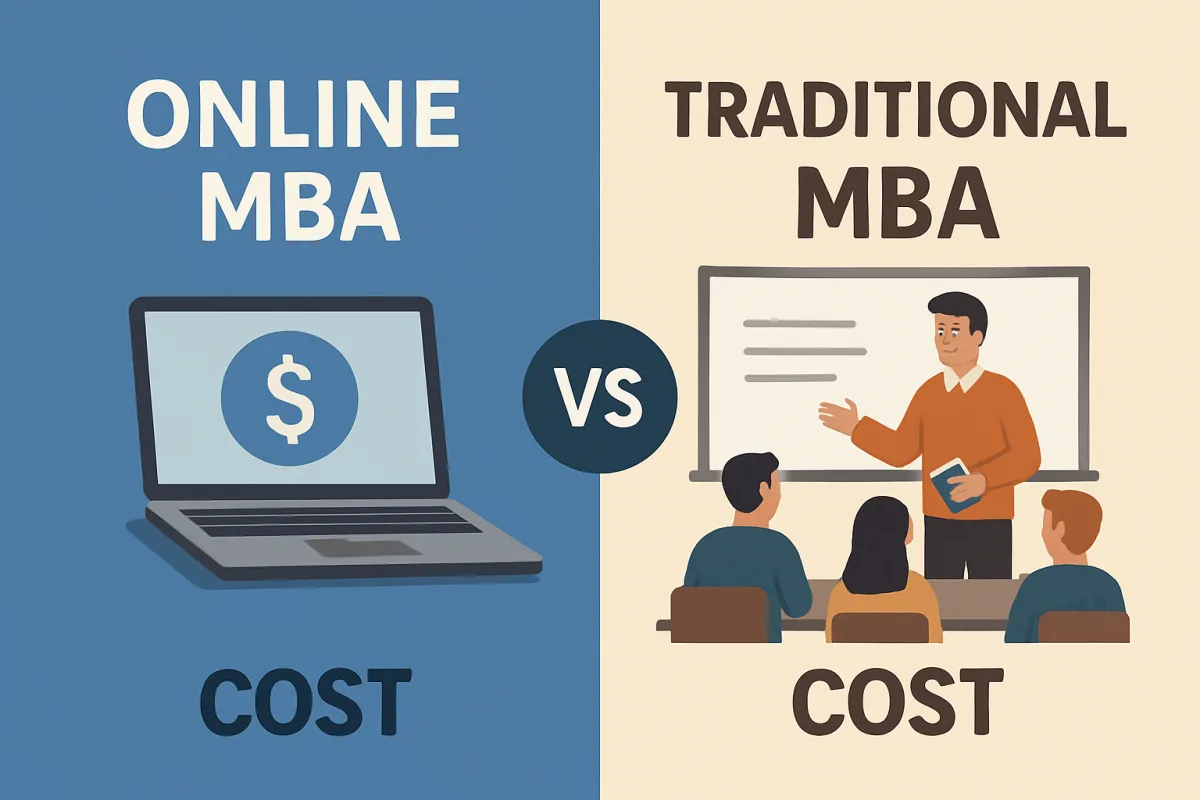
The costs of an Online MBA typically range from $20,000 to $60,000, while Traditional MBA programs can cost between $30,000 and $120,000. Online programs often provide flexibility and lower living expenses, making them attractive for working professionals. Conversely, Traditional MBAs may offer networking opportunities and a more immersive experience, which can justify their higher costs. Ultimately, the choice depends on individual career goals, financial situation, and preferred learning style.
Quick Summary
Understanding the financial implications of pursuing an Online MBA versus a Traditional MBA is crucial for prospective students. Online MBAs generally offer lower tuition costs and eliminate commuting and housing expenses, making them appealing for working professionals. Traditional MBAs, while more expensive, provide valuable in-person networking opportunities and a structured learning environment. Evaluating these factors can help students make informed decisions based on their career aspirations and financial capabilities.
Curator Notes
The cost differences between Online and Traditional MBA programs are significant and can greatly influence a student's decision. Online MBAs often range from $20,000 to $60,000, while Traditional MBAs can escalate from $30,000 to over $120,000. This disparity arises from various factors, including the institution's prestige, program length, and delivery format.
Online programs typically have lower overhead costs, allowing for more competitive pricing. One of the main advantages of Online MBAs is their flexibility. Students can often complete coursework on their own schedule, which is ideal for those balancing work and study.
Additionally, they save on commuting and housing costs, further reducing the overall financial burden. This makes Online MBAs particularly attractive for mid-career professionals looking to advance without sacrificing their current job. However, Traditional MBAs offer unique benefits that can justify their higher costs.
The immersive experience of in-person classes fosters deeper connections with peers and faculty, which can lead to valuable networking opportunities. Many employers still regard Traditional MBAs as more prestigious, which can impact hiring decisions. The hands-on learning and collaborative projects often found in these programs can also enhance the educational experience.
Another consideration is the potential return on investment (ROI). While Online MBAs may be cheaper, graduates from prestigious Traditional programs often see higher starting salaries. Prospective students should research the average salaries of graduates from their chosen programs to gauge potential ROI.
Financial aid options can also vary between the two formats. Traditional programs may offer more scholarships and assistantships, while Online programs might have fewer financial aid opportunities. It's essential to explore all available funding options to make the most informed decision.
Ultimately, the choice between an Online MBA and a Traditional MBA should align with individual career goals, financial situations, and learning preferences. Each format has its strengths and weaknesses, and understanding these can help students choose the right path for their future. In conclusion, the decision should not be made solely based on cost.
Factors such as program reputation, networking opportunities, and personal circumstances play a critical role in determining the best fit for each student. Thorough research and self-reflection are key to making an informed choice.
Recommended Options
- University of Illinois Online MBA: Best for Working professionals seeking flexibility Offers a strong curriculum with a focus on digital innovation and data analytics. Signal checked: Ranked among the top online MBA programs by U.S. News. Alternative to consider: Indiana University Online MBA
- Harvard Business School MBA: Best for Students seeking prestigious networking opportunities Renowned for its case study method and strong alumni network. Signal checked: Consistently ranks as one of the top MBA programs globally. Alternative to consider: Stanford Graduate School of Business
- Georgia Tech Online MBA: Best for Cost-conscious students wanting a reputable degree Signal checked: Ranked highly for ROI among online programs. Alternative to consider: University of Florida Online MBA
Best Sources
Videos and Community Signals
Watch the Glimpse! ✨ Online vs. Traditional MBA - Which one fits your goals? Flexibility or campus experience? Cost or ...
Confused between a Traditional MBA, Online MBA, and Certification Program? In this video, GEMS Business School compares all ...
Comparison
| Decision Point | Good Starting Choice | When to Go Further |
|---|---|---|
| Cost | Online MBA: $20,000 - $60,000 | Traditional MBA: $30,000 - $120,000 |
| Flexibility | Online MBA: High flexibility, self-paced | Traditional MBA: Structured schedule, less flexibility |
| Networking Opportunities | Online MBA: Limited networking | Traditional MBA: Extensive networking events and alumni connections |
| Return on Investment | Online MBA: Moderate ROI, varies by program | Traditional MBA: Higher potential starting salaries |
| Financial Aid Options | Online MBA: Fewer scholarships available | Traditional MBA: More scholarships and assistantships |
FAQ
Yes, many employers recognize Online MBAs, especially from accredited institutions. However, the reputation of the specific program can influence perceptions.
Absolutely. Online MBAs are designed for flexibility, allowing students to balance work and study.
Average salaries can vary widely, but graduates from top Traditional MBA programs often earn between $100,000 and $150,000 annually.