Online Business Models That Work
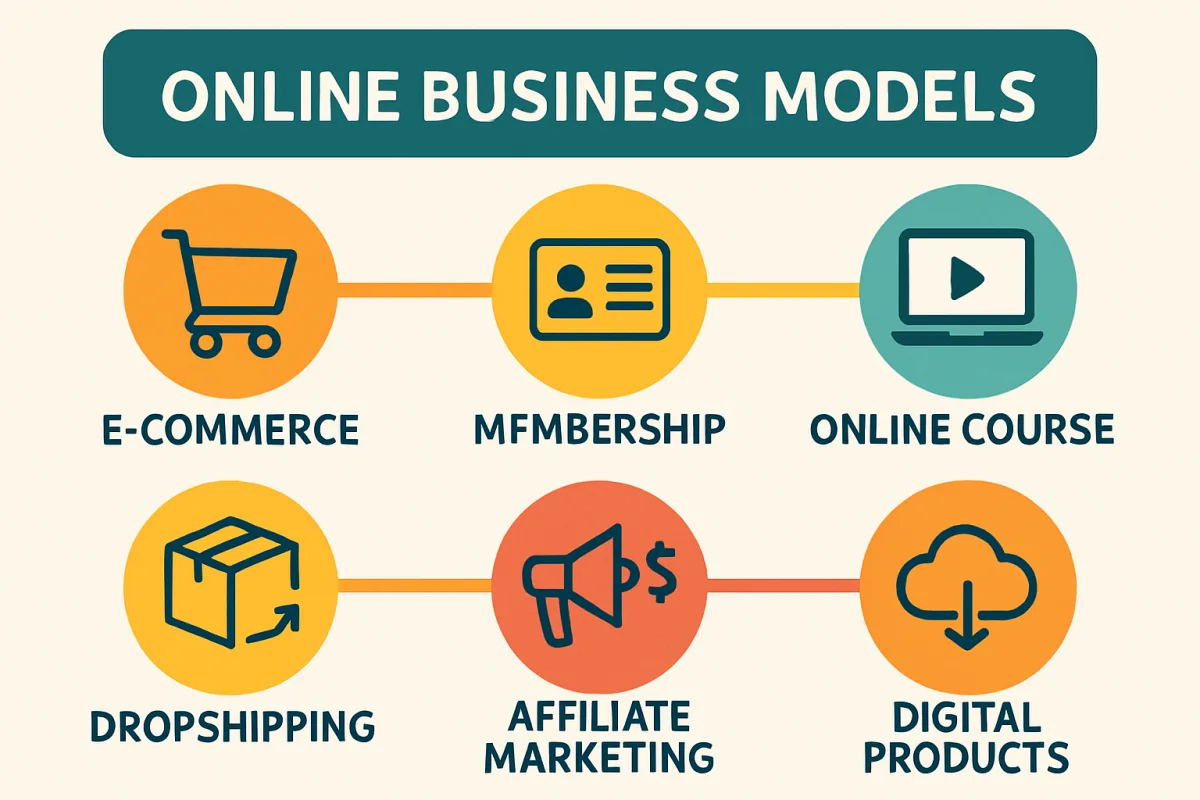
Online business models that work include e-commerce, subscription services, affiliate marketing, and digital products. Each model has unique advantages and challenges. E-commerce allows for direct sales, while subscription services ensure recurring revenue. Affiliate marketing leverages partnerships for income, and digital products offer low overhead costs. Choosing the right model depends on your target audience, resources, and market demand.
Quick Summary
This guide explores effective online business models such as e-commerce, subscription services, affiliate marketing, and digital products. Each model presents distinct advantages and challenges, making it crucial to select one that aligns with your business goals and audience needs.
Curator Notes
E-commerce is one of the most popular online business models, allowing businesses to sell products directly to consumers through websites or platforms like Amazon. This model can be highly profitable, but it requires effective inventory management and marketing strategies to attract customers. The initial setup can be resource-intensive, but the potential for high returns is significant.
Subscription services, on the other hand, provide a steady stream of revenue by charging customers on a recurring basis. This model is particularly effective for digital products, software, and even physical goods. The challenge lies in retaining subscribers and continuously delivering value to prevent churn.
Affiliate marketing offers a low-cost entry point for many entrepreneurs. By promoting other companies' products and earning a commission on sales, individuals can generate income without the need for inventory. However, success in this model often requires strong marketing skills and a well-defined niche.
Lastly, digital products like e-books, online courses, and software have low overhead costs and high profit margins. They require an upfront investment in content creation but can provide passive income once established. Understanding your audience's needs is crucial for success in this model.
Recommended Options
- Shopify: Best for E-commerce businesses looking for an easy setup. Shopify offers a user-friendly platform with extensive customization options and payment integrations. Signal checked: Widely used by over 1.7 million businesses, with a strong reputation for customer support. Alternative to consider: WooCommerce for WordPress users.
- Amazon Prime: Best for Businesses wanting to leverage a large customer base. Amazon Prime provides access to millions of subscribers and offers fulfillment services. Signal checked: Amazon's vast reach and established trust among consumers. Alternative to consider: Walmart Marketplace for broader retail exposure.
- Teachable: Best for Educators and experts creating online courses. Teachable allows easy course creation and marketing tools. Signal checked: Used by thousands of creators, with positive reviews for its ease of use. Alternative to consider: Udemy for broader audience reach.
Best Sources
Videos and Community Signals
Want to SCALE your business? Go here: https://acquisition.com Want to START a business? Go here: https://skool.com/games If ...
Check out the new home for all things Valuetainment! - https://valuetainment.com Ever wanted to get personally mentored by ...
Comparison
| Decision Point | Good Starting Choice | When to Go Further |
|---|---|---|
| Initial Investment | Low for affiliate marketing and digital products. | Higher for e-commerce due to inventory and setup costs. |
| Revenue Model | One-time sales for e-commerce. | Recurring revenue for subscription services. |
| Customer Acquisition | Social media and SEO for affiliate marketing. | Paid ads and influencer partnerships for e-commerce. |
FAQ
Affiliate marketing is often recommended for beginners due to its low startup costs and minimal risk.
Consider your skills, resources, target audience, and market demand when selecting a business model.