On-Chain vs Off-Chain Transactions
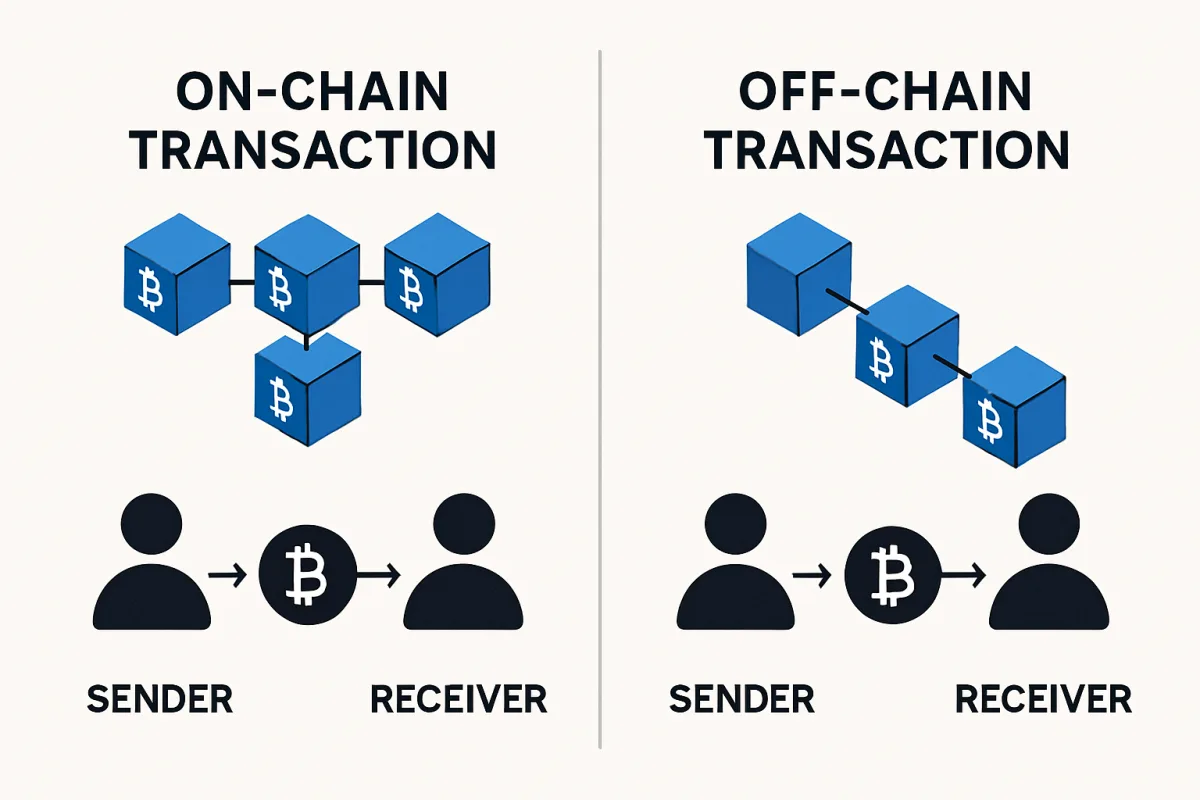
On-chain transactions occur directly on a blockchain, ensuring transparency and security but often at a higher cost and slower speed due to network congestion. Off-chain transactions, on the other hand, take place outside the blockchain, allowing for faster and cheaper transfers, but they may sacrifice some level of security and transparency. Each method has its own advantages and trade-offs, making the choice dependent on specific use cases and priorities.
Quick Summary
Understanding the difference between on-chain and off-chain transactions is crucial for anyone involved in cryptocurrency. On-chain transactions provide a secure and transparent way to record transfers directly on the blockchain, but they can be slow and costly. Conversely, off-chain transactions offer speed and lower fees by operating outside the blockchain, though they may compromise some security. The choice between the two often hinges on the specific needs of the user or application.
Curator Notes
On-chain transactions are recorded directly on the blockchain, which means every transaction is publicly visible and verifiable. This transparency is a significant advantage, especially for applications requiring trust and accountability. However, the trade-off is that these transactions can be slow and expensive, particularly during periods of high network congestion.
For example, Ethereum's gas fees can spike dramatically, making small transactions impractical. In contrast, off-chain transactions occur outside the blockchain, often using methods like payment channels or sidechains. This allows for much faster processing times and lower fees, as they do not require the same level of computational resources.
However, the downside is that off-chain transactions may not offer the same level of security and transparency. Users must trust the intermediary or the system facilitating these transactions, which can introduce risks. A common misconception is that off-chain transactions are inherently less secure.
While they can be, many off-chain solutions implement robust security measures. For instance, Lightning Network for Bitcoin allows for secure off-chain transactions while maintaining a level of trustlessness through smart contracts. When deciding between on-chain and off-chain transactions, consider the specific use case.
For high-value transactions where security is paramount, on-chain may be the better choice. However, for everyday transactions where speed and cost are more critical, off-chain solutions can be more practical. It's also worth noting that hybrid approaches are emerging, combining the benefits of both methods.
These solutions aim to provide the security of on-chain transactions while leveraging the speed and cost-effectiveness of off-chain methods. Ultimately, the choice between on-chain and off-chain transactions will depend on various factors, including the nature of the transaction, the required speed, cost considerations, and the level of trust in the involved parties. Understanding these nuances is essential for making informed decisions in the rapidly evolving crypto landscape.
In summary, both on-chain and off-chain transactions have their unique advantages and challenges. Users should evaluate their specific needs and the context of their transactions to choose the most suitable method.
Best Sources
Videos and Community Signals
In the world of cryptocurrency, there are two main types of transactions: on-chain and off-chain. On-chain transactions occur ...
In this video, we explain the difference between on-chain and off-chain data in crypto and Web3. From transaction costs to ...
Comparison
| Decision Point | Good Starting Choice | When to Go Further |
|---|---|---|
| Transaction Speed | On-chain transactions are slower due to network confirmations. | Off-chain transactions are significantly faster, suitable for high-frequency trading. |
| Cost | On-chain transactions can incur high fees during congestion. | Off-chain transactions typically have lower fees, making them cost-effective. |
| Security | On-chain transactions are secure and immutable. | Off-chain transactions may require trust in intermediaries, which can introduce risks. |
| Transparency | On-chain transactions are fully transparent and verifiable. | Off-chain transactions may lack transparency depending on the method used. |
FAQ
On-chain transactions offer high security, transparency, and immutability, making them ideal for trust-based applications.
Off-chain transactions can be safe, but they depend on the trustworthiness of the intermediary or system facilitating them.
Yes, hybrid solutions are emerging that leverage the benefits of both on-chain and off-chain transactions.