On-Chain Data for Crypto Decisions
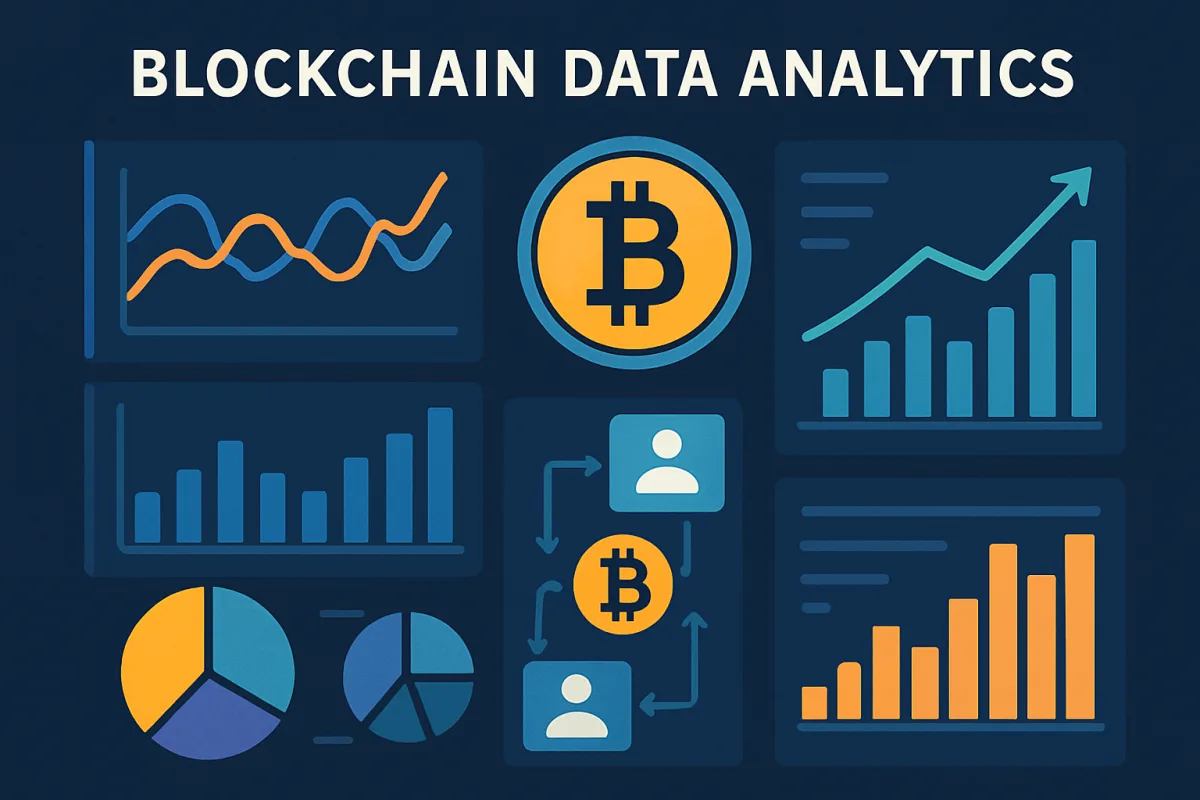
On-chain data plays a crucial role in making informed decisions in the cryptocurrency market. It provides insights into transaction volumes, wallet activities, and network health, allowing traders and investors to gauge market sentiment and trends. By analyzing on-chain metrics, such as active addresses, transaction counts, and liquidity flows, users can identify potential buying or selling opportunities. This data is essential for understanding market dynamics and making strategic decisions, especially in a volatile environment like crypto.
Quick Summary
Understanding on-chain data is vital for anyone involved in cryptocurrency trading or investing. It offers a wealth of information about market trends, user behavior, and network activity. By leveraging metrics such as transaction volumes and wallet interactions, investors can make more informed decisions. This approach not only enhances trading strategies but also helps in identifying potential risks and opportunities. As the crypto landscape evolves, on-chain data becomes an indispensable tool for navigating this complex market.
Curator Notes
On-chain data refers to information that is recorded directly on a blockchain, providing a transparent view of activities within a network. This data encompasses various metrics, including transaction volumes, wallet balances, and the number of active addresses. By analyzing these metrics, users can gain insights into market trends and user behavior, which are crucial for making informed investment decisions.
One of the most significant advantages of on-chain data is its ability to reflect real-time market conditions. Unlike traditional financial metrics, which may lag behind actual market movements, on-chain data offers immediate insights into how assets are being traded and utilized. For instance, a sudden spike in transaction volume might indicate increased interest in a particular cryptocurrency, signaling a potential buying opportunity.
Moreover, on-chain analysis can help identify the behavior of large holders, often referred to as 'whales.' By monitoring the movements of these entities, investors can gauge market sentiment and anticipate price movements. If a whale suddenly transfers a large amount of cryptocurrency, it could indicate a forthcoming market shift, prompting smaller investors to adjust their strategies accordingly. Another practical application of on-chain data is in assessing network health.
Metrics such as the number of active addresses and transaction fees can provide insights into the overall usage and demand for a cryptocurrency. A growing number of active addresses typically suggests increasing adoption, while rising transaction fees may indicate network congestion, which could affect trading strategies. However, it's essential to approach on-chain data with a critical eye.
While it can provide valuable insights, it is not infallible. External factors, such as regulatory news or macroeconomic trends, can also significantly impact market dynamics. Therefore, on-chain data should be used in conjunction with other analysis methods for a more comprehensive view.
Investors should also be aware of the learning curve associated with interpreting on-chain metrics. While many platforms offer user-friendly dashboards, understanding the underlying principles of blockchain technology and data interpretation is crucial for making the most of these tools. As such, newcomers may need to invest time in learning before they can effectively leverage on-chain data for their trading strategies.
In conclusion, on-chain data is a powerful tool for anyone looking to navigate the cryptocurrency market. By providing real-time insights into market dynamics, it enables investors to make more informed decisions. However, it should be used alongside other analytical methods and with an understanding of its limitations to maximize its effectiveness.
Recommended Options
- Glassnode: Best for Advanced traders and analysts Offers comprehensive on-chain metrics and insights. Signal checked: Widely used by professional traders and analysts. Alternative to consider: CryptoQuant
- Dune Analytics: Best for Data visualization and custom queries Allows users to create custom dashboards and queries. Signal checked: Popular among developers and data scientists in crypto. Alternative to consider: Nansen
- Santiment: Best for Sentiment analysis and market insights Combines on-chain data with social sentiment metrics. Signal checked: Recognized for its unique approach to market analysis. Alternative to consider: IntoTheBlock
Best Sources
Videos and Community Signals
On-chain metrics turn blockchain-based transaction data into actionable crypto market insights. Think of it as a tool to give ...
On-chain data is one of the most powerful tools in crypto trading - but most people don't know which indicators actually matter.
Comparison
| Decision Point | Good Starting Choice | When to Go Further |
|---|---|---|
| Data Depth | Basic metrics like transaction volume. | In-depth analytics including wallet behavior and sentiment. |
| User Interface | Simple dashboards for quick insights. | Customizable interfaces for detailed analysis. |
| Community Support | Basic tutorials and guides. | Active forums and expert insights. |
FAQ
On-chain data refers to information recorded on a blockchain, providing insights into transaction activities and user behaviors.
It offers real-time insights into market trends, helping traders identify potential buying or selling opportunities.
Yes, external factors can also influence market dynamics, so it should be used alongside other analysis methods.