OLED vs QLED vs LED TVs Compared
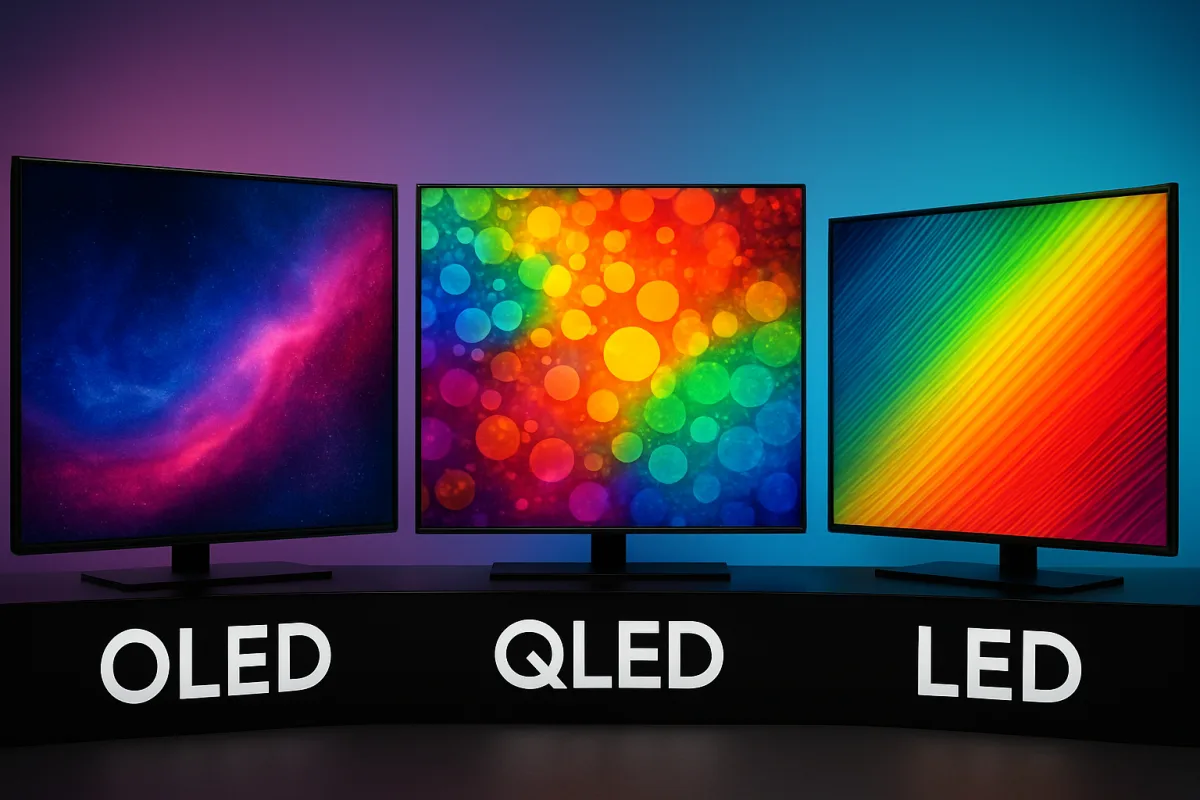
OLED, QLED, and LED TVs each have unique strengths. OLED offers superior contrast and color accuracy due to its self-emissive technology, making it ideal for dark rooms. QLED excels in brightness and color volume, suitable for well-lit environments. LED TVs are generally more affordable and provide decent performance but lack the advanced features of OLED and QLED. Choosing the right type depends on your viewing environment and budget.
Quick Summary
When comparing OLED, QLED, and LED TVs, each technology has its advantages. OLED TVs provide the best picture quality with deep blacks and vibrant colors, making them perfect for movie enthusiasts. QLED TVs shine in bright rooms with their high brightness levels and color accuracy. LED TVs are budget-friendly options that still deliver satisfactory performance for casual viewers. Your choice should reflect your viewing habits and environment.
Curator Notes
OLED (Organic Light Emitting Diode) TVs are known for their exceptional picture quality, offering deep blacks and vibrant colors due to their self-emissive technology. Each pixel emits its own light, allowing for precise control over brightness and contrast. This makes OLED ideal for dark viewing environments, such as home theaters, where the depth of color and detail can be fully appreciated.
On the other hand, QLED (Quantum Dot Light Emitting Diode) TVs utilize quantum dot technology to enhance brightness and color volume. They are particularly effective in well-lit rooms, providing vivid colors and high brightness levels. However, QLEDs do not achieve the same level of black depth as OLEDs, which can affect contrast in darker scenes.
LED TVs, the most common type, are generally more affordable and offer decent performance, but they lack the advanced features and picture quality of OLED and QLED. They are suitable for casual viewers who prioritize cost over cutting-edge technology.
Recommended Options
- LG OLED C1: Best for Home theater enthusiasts Exceptional picture quality with deep blacks and vibrant colors. Signal checked: Highly rated by experts and users for its performance. Alternative to consider: Sony A80J OLED
- Samsung QN90A: Best for Bright room viewing High brightness and excellent color accuracy. Signal checked: Popular choice for its performance in well-lit environments. Alternative to consider: TCL 6-Series QLED
- Sony X80J: Best for Budget-conscious buyers Affordable with decent performance for casual viewing. Signal checked: Good reviews for value and performance. Alternative to consider: Vizio V-Series
Best Sources
Videos and Community Signals
Confused about which TV to buy in early 2026? You're not alone. In this ultimate TV buying guide, Caleb Denison breaks down ...
This is the quickest tutorial on QLED Technology! Everything you need to know in under 2 minutes! Fantastic QLED Deals: ...
Comparison
| Decision Point | Good Starting Choice | When to Go Further |
|---|---|---|
| Picture Quality | LED TVs for casual viewing. | OLED for the best picture quality. |
| Brightness | QLED for bright rooms. | OLED for dark rooms. |
| Price | LED TVs for budget-friendly options. | OLED for premium features. |
FAQ
OLED TVs are often preferred for gaming due to their fast response times and superior picture quality.
Yes, QLED TVs offer better brightness and color accuracy compared to standard LED TVs.
OLED TVs typically last around 100,000 hours, but this can vary based on usage and settings.