Nutrition for People Over 50
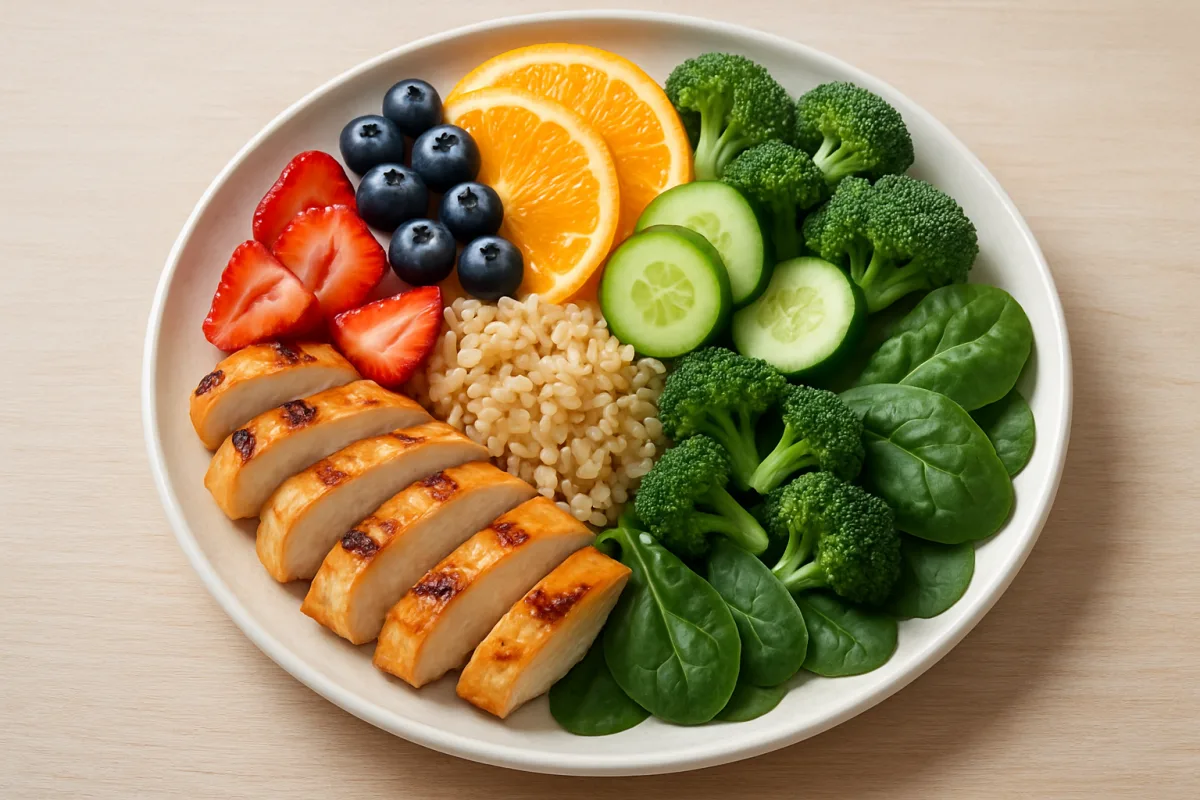
Nutrition for individuals over 50 should focus on balanced meals rich in essential nutrients. Key components include adequate protein for muscle maintenance, fiber for digestive health, and vitamins like B12 and D for overall well-being. Hydration is also crucial, as older adults often experience decreased thirst. Incorporating a variety of fruits, vegetables, whole grains, and healthy fats can help meet these nutritional needs. Consulting with a healthcare provider or nutritionist can provide tailored advice.
Quick Summary
A balanced diet is vital for those over 50, focusing on nutrient-rich foods to support health. Key nutrients include protein, fiber, and vitamins B12 and D. Staying hydrated is essential, as thirst may diminish with age. Emphasizing whole foods like fruits, vegetables, and healthy fats can enhance overall well-being. Personalized guidance from healthcare professionals can further optimize dietary choices.
Curator Notes
As we age, our nutritional needs evolve significantly. For individuals over 50, it's essential to prioritize a balanced diet that includes a variety of nutrients. Protein becomes increasingly important to help maintain muscle mass, which naturally declines with age.
Sources like lean meats, fish, legumes, and dairy products can provide the necessary protein intake. This is particularly crucial for those who are active or looking to maintain their strength and mobility. Fiber is another critical component of a healthy diet for older adults.
It aids in digestion and can help prevent constipation, a common issue as we age. Foods high in fiber, such as whole grains, fruits, and vegetables, should be staples in daily meals. Not only does fiber support digestive health, but it also plays a role in regulating blood sugar levels and reducing the risk of chronic diseases.
Vitamins and minerals also take center stage in the diets of those over 50. Vitamin B12 is vital for nerve function and blood cell production, yet absorption can decrease with age. Fortified cereals, dairy, and supplements can help meet this need.
Similarly, Vitamin D is essential for bone health, and many older adults may require supplementation, especially if they have limited sun exposure. Hydration is often overlooked but is crucial for older adults. The sensation of thirst diminishes with age, leading to an increased risk of dehydration.
It's important to encourage regular fluid intake, focusing on water, herbal teas, and hydrating foods like fruits and vegetables. Incorporating healthy fats, such as those found in avocados, nuts, and olive oil, can also support heart health and provide essential fatty acids. These fats can help reduce inflammation and improve overall cardiovascular health, which is particularly important as the risk of heart disease increases with age.
Lastly, consulting with a healthcare provider or a registered dietitian can provide personalized dietary recommendations. They can help tailor a nutrition plan that considers individual health conditions, activity levels, and personal preferences, ensuring that dietary choices align with overall health goals. In summary, a well-rounded diet rich in protein, fiber, vitamins, and healthy fats, combined with adequate hydration, is key for individuals over 50.
Making informed choices and seeking professional guidance can lead to improved health outcomes and enhanced quality of life.
Recommended Options
- Abbott Ensure Original Nutrition Shake: Best for Individuals needing extra protein and nutrients High in protein and fortified with vitamins and minerals, suitable for meal replacement. Signal checked: Widely recommended by healthcare professionals for older adults. Alternative to consider: Boost Nutritional Drink
- Osteo Bi-Flex Joint Health Supplement: Best for Those concerned about joint health Signal checked: Positive reviews and endorsements from users. Alternative to consider: Schiff Move Free
- Garden of Life Vitamin Code 50 & Wiser: Best for Individuals needing a comprehensive multivitamin Signal checked: High ratings for quality and effectiveness. Alternative to consider: Centrum Silver
Best Sources
Videos and Community Signals
Check out these expert diet tips for people over 50. In this video, we'll discuss the foods that boost health after 50 and support ...
For decades, millions of people were told to fear eggs because of cholesterol, but the science and our understanding of nutrition ...
Comparison
| Decision Point | Good Starting Choice | When to Go Further |
|---|---|---|
| Protein Sources | Lean meats and legumes for basic protein intake. | Protein shakes for additional support, especially for those with higher needs. |
| Fiber Intake | Whole grains and fruits for regular digestive health. | Fiber supplements for those struggling to meet daily intake. |
| Vitamin B12 Sources | Fortified cereals and dairy for basic needs. | Supplements for those with absorption issues. |
| Hydration Strategies | Encouraging water intake throughout the day. | Incorporating hydrating foods and electrolyte drinks. |
FAQ
Lean meats, fish, eggs, dairy, and plant-based proteins like beans and lentils are excellent sources.
Aim for at least 8 cups of water daily, adjusting based on activity level and climate.
Fiber aids digestion, helps maintain healthy blood sugar levels, and can prevent constipation.
Key vitamins include B12, D, calcium, and antioxidants to support overall health.