NPS for SaaS Products Explained
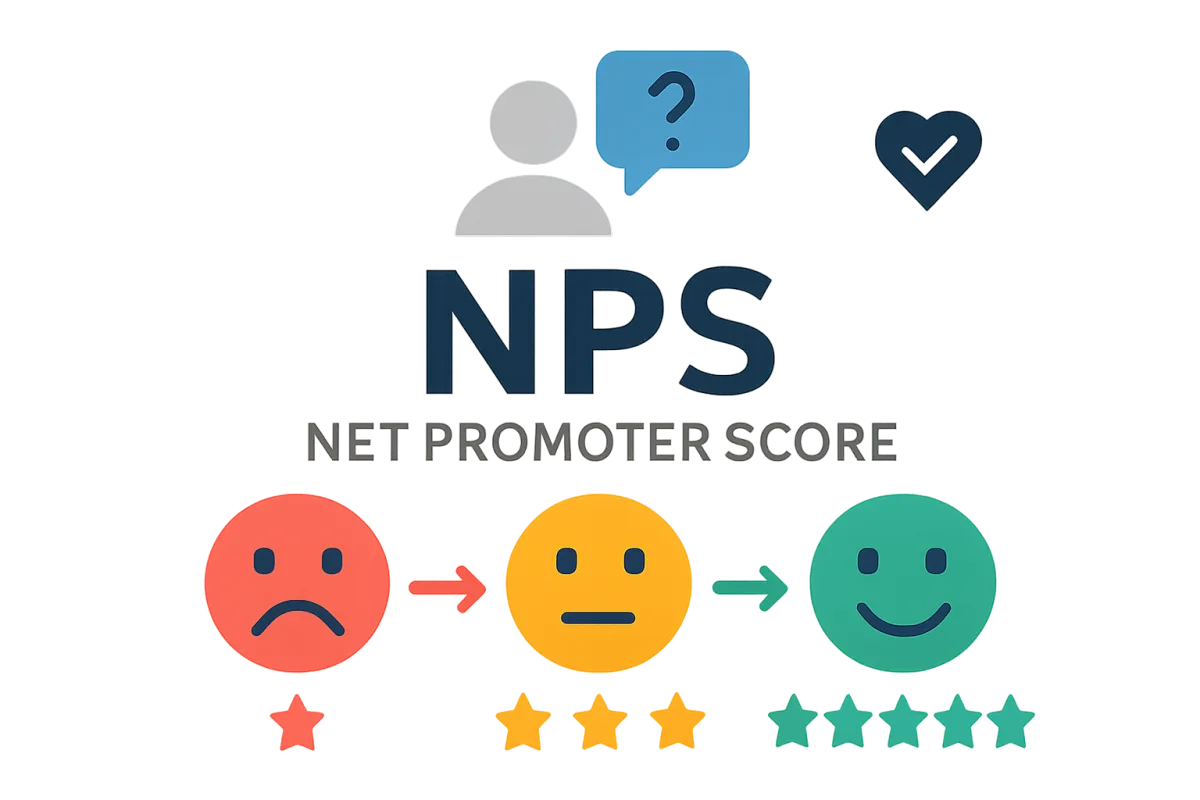
Net Promoter Score (NPS) is a crucial metric for SaaS products, measuring customer loyalty and satisfaction. It categorizes customers into Promoters, Passives, and Detractors based on their likelihood to recommend the service. A high NPS indicates strong customer loyalty, which is vital for subscription-based models. Companies can leverage NPS to identify areas for improvement, enhance customer experience, and ultimately drive growth. Regularly tracking NPS helps SaaS businesses stay aligned with customer needs and expectations, making it a valuable tool for strategic decision-making.
Quick Summary
Understanding NPS is essential for SaaS businesses aiming to enhance customer loyalty and satisfaction. This metric categorizes users into Promoters, Passives, and Detractors, providing actionable insights into customer sentiment. A higher NPS reflects stronger loyalty, which is critical for subscription models. By regularly measuring NPS, SaaS companies can pinpoint areas for improvement and adapt their strategies accordingly, ensuring they meet customer expectations and drive growth.
Curator Notes
Net Promoter Score (NPS) serves as a vital indicator of customer loyalty, particularly for SaaS products where retention is key. By asking customers how likely they are to recommend the service on a scale from 0 to 10, businesses can categorize responses into three groups: Promoters (9-10), Passives (7-8), and Detractors (0-6). This segmentation helps companies understand their customer base better and tailor their strategies accordingly.
Promoters are enthusiastic users who can drive growth through referrals, while Detractors may harm the brand's reputation. The NPS is calculated by subtracting the percentage of Detractors from the percentage of Promoters. A positive score indicates more loyal customers than dissatisfied ones, which is crucial for long-term success in the SaaS industry.
Regularly measuring NPS allows SaaS companies to track changes in customer sentiment over time. This can be particularly useful after product updates or changes in pricing strategy. A sudden drop in NPS may signal issues that need immediate attention, such as bugs in the software or poor customer support experiences.
Moreover, NPS can be a powerful tool for identifying areas for improvement. By analyzing feedback from Detractors, companies can uncover specific pain points and address them proactively. This not only helps improve the product but also enhances customer satisfaction, potentially converting Detractors into Promoters over time.
While NPS is a valuable metric, it should not be the sole measure of customer satisfaction. Combining NPS with other metrics, such as Customer Satisfaction Score (CSAT) and Customer Effort Score (CES), provides a more comprehensive view of customer experience. This multi-faceted approach ensures that SaaS companies can adapt to changing customer needs effectively.
In summary, NPS is more than just a number; it’s a strategic tool that can guide SaaS companies in enhancing customer loyalty and satisfaction. By understanding the nuances of NPS and regularly tracking it, businesses can make informed decisions that drive growth and improve customer relationships.
Recommended Options
- SurveyMonkey: Best for Companies seeking an easy-to-use platform for NPS surveys SurveyMonkey offers customizable templates and analytics tools to track NPS effectively. Signal checked: Widely used with a strong reputation for user-friendly design and robust reporting features. Alternative to consider: Typeform, known for its engaging survey designs.
- Delighted: Best for Businesses looking for automated NPS collection and reporting Delighted automates the feedback process and provides real-time insights. Signal checked: Positive reviews highlight its ease of integration with existing systems. Alternative to consider: Promoter.io, which offers similar automation features.
- Qualtrics: Best for Larger organizations needing advanced analytics and reporting Qualtrics provides in-depth analytics and is suitable for complex survey needs. Signal checked: Highly regarded in enterprise settings for its comprehensive features. Alternative to consider: Medallia, another strong contender in enterprise feedback management.
Best Sources
Videos and Community Signals
This Temkin Group video explains a very popular customer experience (CX) metric, Net Promoter Score (NPS). It's meant to ...
Rob Smith is the co-founder of Slick, a salon management SaaS tool. He explains how Slick, which is catering to hair and beauty ...
Comparison
| Decision Point | Good Starting Choice | When to Go Further |
|---|---|---|
| Ease of Use | SurveyMonkey is user-friendly and quick to set up. | Qualtrics offers advanced features but may require more training. |
| Automation | Delighted automates feedback collection effectively. | Promoter.io provides similar automation with additional customization options. |
| Analytics Depth | SurveyMonkey offers basic analytics suitable for small businesses. | Qualtrics provides comprehensive analytics for larger organizations. |
FAQ
A good NPS score for SaaS products typically ranges from 30 to 50, with scores above 50 indicating strong customer loyalty.
It's advisable to measure NPS quarterly or after significant product updates to track customer sentiment effectively.
Yes, a higher NPS often correlates with increased customer retention and referrals, which can drive business growth.