Non-Dairy Milk Nutrition Facts
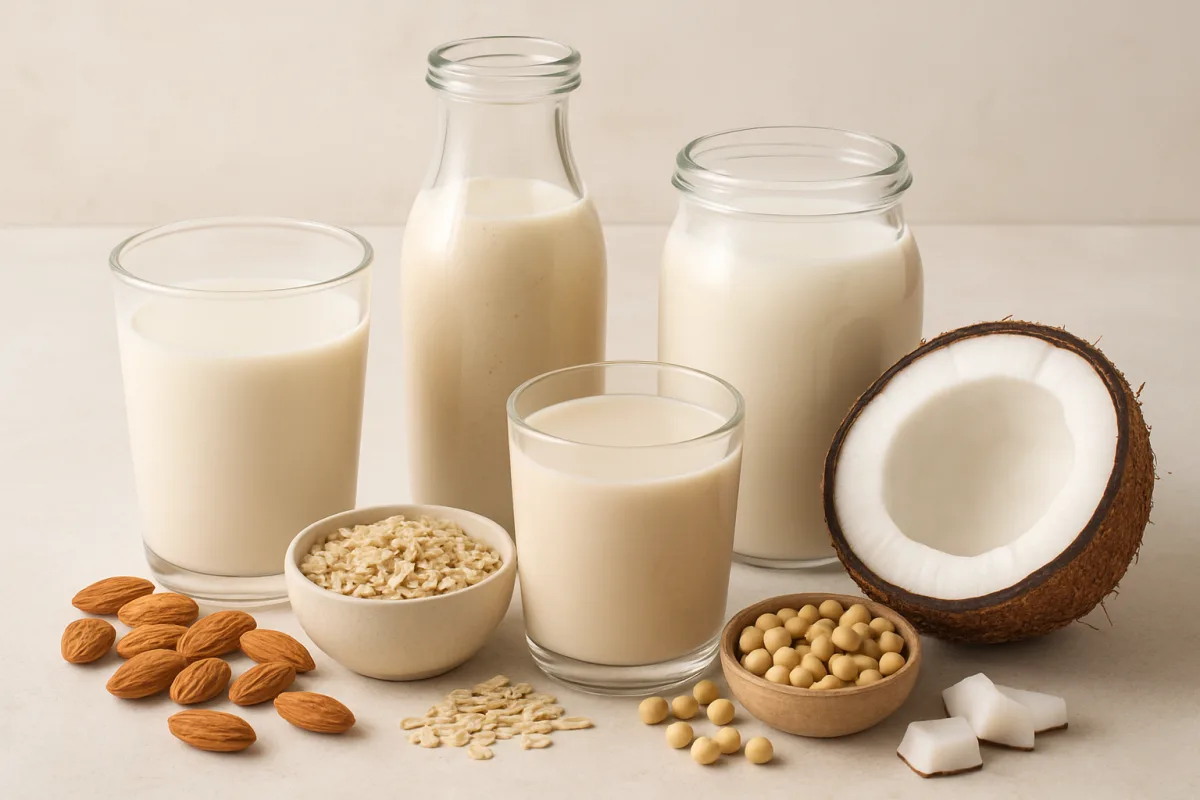
Non-dairy milk alternatives, such as almond, soy, oat, and coconut milk, vary significantly in their nutritional profiles. Almond milk is low in calories but may lack protein, while soy milk is higher in protein and often fortified with vitamins. Oat milk provides a creamy texture and is rich in carbohydrates, making it a good choice for those needing energy. Coconut milk is high in fat but offers a unique flavor. Understanding these differences can help consumers make informed dietary choices based on their nutritional needs and preferences.
Quick Summary
Non-dairy milk options have distinct nutritional benefits and drawbacks. Almond milk is low in calories but lacks protein, while soy milk is a protein-rich alternative often fortified with essential nutrients. Oat milk offers a creamy texture and is high in carbohydrates, making it suitable for energy needs. Coconut milk, though high in fat, provides a unique flavor. Evaluating these factors can guide consumers in selecting the best non-dairy milk for their dietary requirements.
Curator Notes
Non-dairy milk alternatives have gained popularity for various reasons, including lactose intolerance, vegan diets, and personal taste preferences. Each type of non-dairy milk has its own unique nutritional profile, which can significantly impact health and dietary choices. Understanding these differences is crucial for making informed decisions about which milk alternative to incorporate into your diet.
Almond milk is one of the most popular non-dairy options. It is low in calories and often fortified with vitamins A, D, and E. However, it is relatively low in protein, which may not be ideal for those looking to replace cow's milk in a high-protein diet.
The primary ingredient is water, which contributes to its low calorie count but also means it lacks the nutritional density of other options. Soy milk is another widely consumed alternative that stands out for its protein content, comparable to that of cow's milk. It is often fortified with calcium and vitamins, making it a well-rounded choice for those seeking a nutritious milk substitute.
However, some individuals may have soy allergies or concerns about genetically modified organisms (GMOs), which can limit its appeal. Oat milk has surged in popularity due to its creamy texture and natural sweetness. It is higher in carbohydrates, making it a good source of energy, but it may not be suitable for those watching their carbohydrate intake.
Oat milk is often enriched with vitamins and minerals, providing a balanced option for many consumers. Coconut milk, while rich in flavor and fat, is often used in cooking and baking rather than as a direct milk substitute. It can add richness to dishes but is not a significant source of protein or essential nutrients.
Those looking for a low-calorie option may want to consider other alternatives, as coconut milk can be calorie-dense. When choosing a non-dairy milk, consider your dietary needs, taste preferences, and any allergies. For example, if you're looking for a low-calorie option, almond milk may be best.
If you need protein, soy milk is a strong contender. Oat milk is excellent for those who enjoy a creamy texture, while coconut milk can enhance the flavor of certain dishes. Ultimately, the best choice depends on individual nutritional goals and lifestyle.
Reading labels for added sugars and fortifications can also help you make a more informed decision. The growing variety of non-dairy milks means there's likely an option that fits your dietary needs perfectly.
Recommended Options
- Silk Almond Milk: Best for Low-calorie diets Silk's almond milk is fortified with vitamins and has a smooth texture. Signal checked: Popular among health-conscious consumers, often rated highly in taste tests. Alternative to consider: Unsweetened almond milk for lower sugar content.
- Edensoy Soy Milk: Best for High-protein diets Signal checked: Frequently recommended by nutritionists for its balanced nutrient profile. Alternative to consider: Fortified soy milk for added vitamins.
- Oatly Oat Milk: Best for Creamy texture lovers Oatly is known for its rich flavor and versatility in coffee and cooking. Signal checked: Highly rated for taste and texture in various applications. Alternative to consider: Barista blend oat milk for better frothing.
Best Sources
Videos and Community Signals
Kiki milk is one of my faves! Get 20% off w/ code FLAVCITY: https://www.kikimilk.com/ Download my FREE app & scan away: ...
Thinking of giving up dairy for plant milks? Don't switch until you watch this. ♥️ Next: Fasting. How Long Can You Do It?
Comparison
| Decision Point | Good Starting Choice | When to Go Further |
|---|---|---|
| Calories | Almond milk (30-40 calories per cup) | Coconut milk (450 calories per cup) for rich flavor. |
| Protein | Soy milk (7-9 grams per cup) | Fortified soy milk for additional nutrients. |
| Carbohydrates | Almond milk (1-2 grams per cup) | Oat milk (15-20 grams per cup) for energy. |
FAQ
It depends on the type of non-dairy milk and individual dietary needs. Some non-dairy milks are lower in calories but may lack protein.
Yes, many non-dairy milks can be used in cooking and baking, but results may vary based on the type.
Many brands fortify their non-dairy milks with vitamins and minerals, but it's essential to check the label.