Intermittent Fasting Schedule
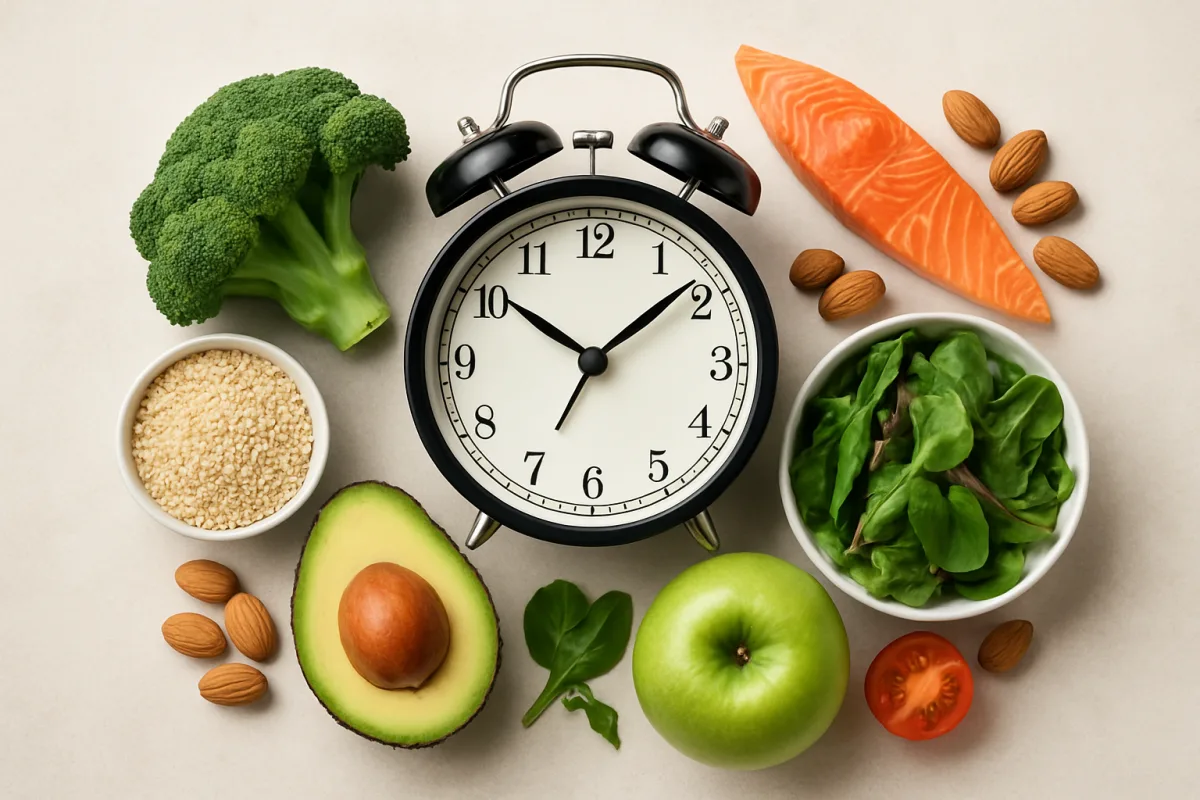
An effective intermittent fasting schedule typically involves cycles of eating and fasting. A popular approach is the 16/8 method, where you fast for 16 hours and eat during an 8-hour window. This can be adjusted based on personal lifestyle and preferences. Some may prefer the 5:2 method, which involves eating normally for five days and restricting calorie intake to about 500-600 calories on two non-consecutive days. Choosing the right schedule depends on your daily routine, hunger patterns, and health goals. It's essential to listen to your body and consult with a healthcare professional before starting any fasting regimen.
Quick Summary
Intermittent fasting can be tailored to fit individual lifestyles and health goals. The 16/8 method is widely adopted, allowing for a daily fasting period of 16 hours followed by an 8-hour eating window. Alternatively, the 5:2 method restricts calorie intake on two days of the week. Each approach has its benefits and challenges, making it crucial to choose one that aligns with your daily routine and hunger cues. Always consider consulting a healthcare provider to ensure a safe and effective fasting experience.
Curator Notes
Intermittent fasting (IF) has gained popularity for its potential health benefits, including weight loss and improved metabolic health. The most common schedule is the 16/8 method, where individuals fast for 16 hours and eat during an 8-hour window. This method is appealing because it often aligns with typical daily routines, allowing breakfast to be skipped and dinner to be the last meal of the day.
This schedule can be particularly effective for those who prefer a straightforward approach without complex calorie counting. Another popular option is the 5:2 method, which involves eating normally for five days of the week and limiting calorie intake to around 500-600 calories on two non-consecutive days. This method can be beneficial for those who find it challenging to fast daily but still want to reap the benefits of intermittent fasting.
It allows for flexibility, making it easier to incorporate into various lifestyles. For those seeking a more extreme approach, the alternate-day fasting method involves alternating between days of normal eating and days of fasting. While this can lead to significant weight loss, it may not be sustainable for everyone due to the intensity of the fasting periods.
It's essential to consider personal tolerance and lifestyle when choosing this method. A common misconception is that fasting leads to excessive hunger and binge eating during eating windows. However, many find that their appetite stabilizes over time, leading to healthier food choices and portion control.
It's crucial to focus on nutrient-dense foods during eating periods to maximize health benefits. Hydration is also a key aspect of intermittent fasting. Drinking water, herbal teas, or black coffee during fasting periods can help curb hunger and keep you hydrated.
However, it's essential to avoid sugary drinks and excessive caffeine, which can lead to energy crashes. Before starting any intermittent fasting schedule, consulting a healthcare professional is advisable, especially for those with underlying health conditions. Individual responses to fasting can vary significantly, and a tailored approach is often necessary for optimal results.
In summary, the best intermittent fasting schedule is one that fits seamlessly into your lifestyle and aligns with your health goals. Whether you choose the 16/8 method, the 5:2 method, or another approach, the key is consistency and listening to your body’s signals.
Best Sources
Videos and Community Signals
Come see what I eat in a day! Thanks to LMNT for sponsoring this video. Visit http://DrinkLMNT.com/DANISPIES to get a free ...
Hey guys! I've seen over and over questions and comments regarding dieting so I decided to start a series where I conduct a diet ...
Comparison
| Decision Point | Good Starting Choice | When to Go Further |
|---|---|---|
| Online booking | A simple booking page with service duration, staff assignment and confirmation emails. | Multi-location calendars, deposits, cancellation rules and waitlist handling. |
| Client records | Basic notes, visit history and contact details are enough to start. | Segmentation, purchase history, memberships, forms and before-after notes become more important. |
| Reminders | SMS or email reminders help reduce no-shows without adding admin work. | Automated rebooking, follow-up campaigns and missed-appointment recovery matter more. |
| Payments | Card capture and checkout should be simple and transparent. | Packages, memberships, staff commissions, tips and refunds need cleaner reporting. |
| Marketing | Light email or SMS campaigns are useful if they are easy to run. | Automated win-back, birthday offers, review requests and audience segments create more leverage. |
FAQ
The 16/8 method is often recommended for beginners as it is simple and aligns well with most daily routines.
Yes, drinking water is encouraged during fasting periods to stay hydrated and help manage hunger.
While many people can safely practice intermittent fasting, those with certain health conditions should consult a healthcare professional before starting.