No-Spend Challenge Savings
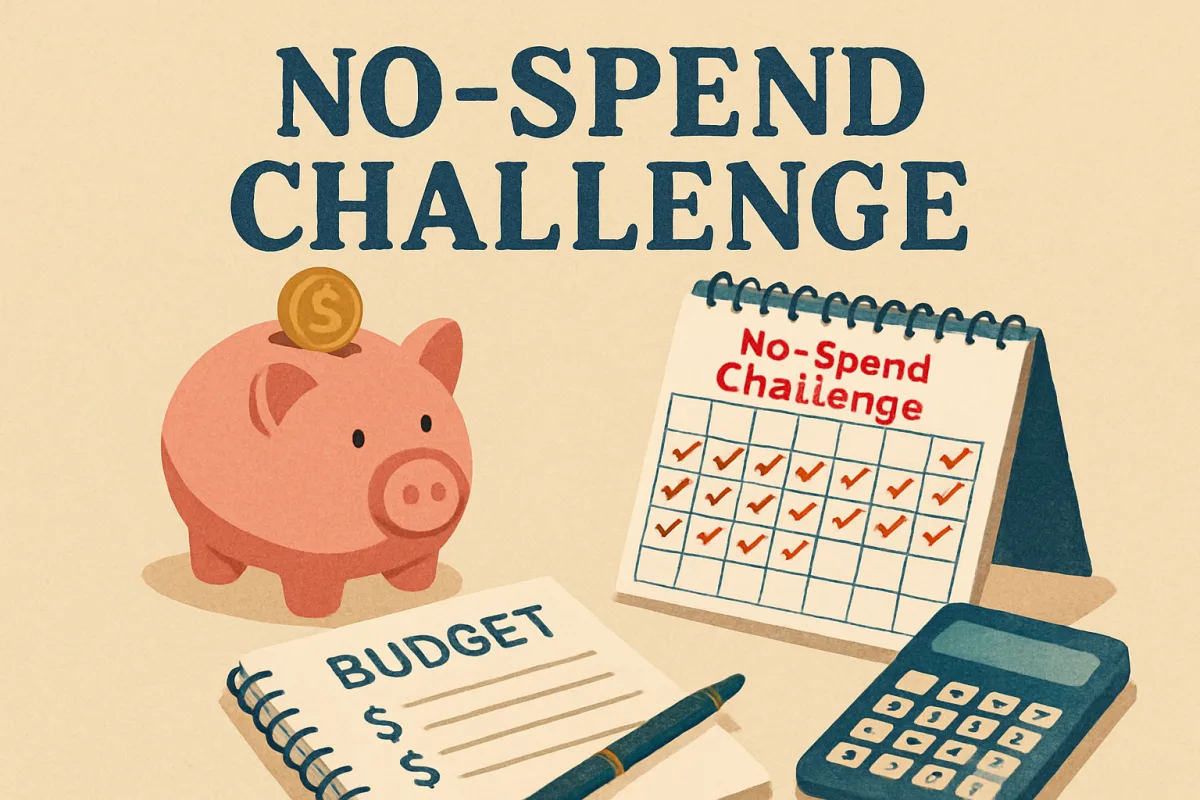
The No-Spend Challenge is a popular savings strategy where participants commit to not spending money on non-essential items for a set period. This method encourages mindful spending, helps identify unnecessary expenses, and can lead to significant savings over time. Many find it beneficial for resetting financial habits and focusing on budgeting. To maximize the challenge, participants can utilize budgeting apps like YNAB (You Need A Budget) or Mint, which help track expenses and set savings goals. Additionally, community support through social media platforms can enhance motivation and accountability.
Quick Summary
Engaging in a No-Spend Challenge can transform your financial habits by encouraging you to avoid unnecessary purchases for a specific timeframe. This approach not only helps in saving money but also fosters a deeper understanding of your spending patterns. Utilizing budgeting tools like YNAB or Mint can streamline the process, making it easier to track your progress. Community support, whether through social media or local groups, can also provide motivation and accountability, enhancing the overall experience of the challenge.
Curator Notes
The No-Spend Challenge is more than just a financial exercise; it's a lifestyle shift that encourages participants to rethink their spending habits. By committing to a period of no non-essential purchases, individuals can uncover patterns in their spending that may have gone unnoticed. This challenge often lasts anywhere from a week to a month, giving participants a clear timeframe to focus on their financial goals.
One of the key benefits of the No-Spend Challenge is the immediate impact on savings. By cutting out discretionary spending, participants can see their savings grow quickly. This can be particularly motivating for those who struggle with budgeting or feel overwhelmed by their financial situation.
The challenge serves as a reset button, allowing individuals to prioritize needs over wants. To effectively navigate the No-Spend Challenge, utilizing budgeting tools is highly recommended. Apps like YNAB (You Need A Budget) and Mint provide users with the ability to track their expenses in real-time, set savings goals, and visualize their financial progress.
These tools can make the challenge less daunting by providing clear insights into spending habits and helping to identify areas where cuts can be made. Community support plays a crucial role in the success of the No-Spend Challenge. Engaging with others who are participating can provide motivation and accountability.
Many people share their experiences on social media platforms, creating a sense of camaraderie that can enhance the challenge. Joining a local group or online forum can also provide additional tips and encouragement. It's important to remember that the No-Spend Challenge isn't about deprivation; it's about making conscious choices.
Participants should define what constitutes 'essential' versus 'non-essential' spending for themselves. This personal definition can vary widely, and it's crucial to approach the challenge with a mindset of flexibility and self-compassion. After completing the challenge, many participants report a newfound appreciation for their finances.
They often continue to implement budgeting strategies and mindful spending habits learned during the challenge. This lasting impact can lead to improved financial health and a more intentional approach to money management. In conclusion, the No-Spend Challenge is a powerful tool for anyone looking to enhance their savings and reshape their financial habits.
With the right tools and community support, participants can successfully navigate this challenge and emerge with a clearer understanding of their financial priorities.
Recommended Options
- You Need A Budget YNAB: Best for Individuals seeking to gain control over their budgeting and savings. YNAB focuses on proactive budgeting, helping users allocate every dollar and prioritize savings. Signal checked: Highly rated by users for its effectiveness in managing finances and fostering savings habits. Alternative to consider: Mint, which offers free budgeting tools but with less emphasis on proactive financial management.
- Mint: Best for Those looking for a free budgeting tool with basic tracking features. Mint provides a comprehensive overview of finances, including bills and credit scores. Signal checked: Widely used and praised for its user-friendly interface and accessibility. Alternative to consider: PocketGuard, which offers a simplified approach to budgeting.
Best Sources
Videos and Community Signals
Michelle McGagh is no stranger to writing about the merits of saving. But how much did she really know about her own spending?
Can you survive on just $1000 for an entire month? I decided to find out by challenging myself to an extreme no-spend month.
Comparison
| Decision Point | Good Starting Choice | When to Go Further |
|---|---|---|
| Budgeting Approach | Mint provides a simple overview of finances. | YNAB encourages proactive budgeting and prioritization of savings. |
| Cost | Mint is free to use. | YNAB requires a subscription but offers a more robust budgeting experience. |
FAQ
The No-Spend Challenge is a commitment to avoid non-essential purchases for a set period, aimed at increasing savings and awareness of spending habits.
The challenge can last anywhere from a week to a month, depending on personal goals and preferences.
Yes, the challenge focuses on eliminating non-essential spending while still allowing for necessary expenses like groceries and bills.