Niacinamide vs Vitamin C Explained
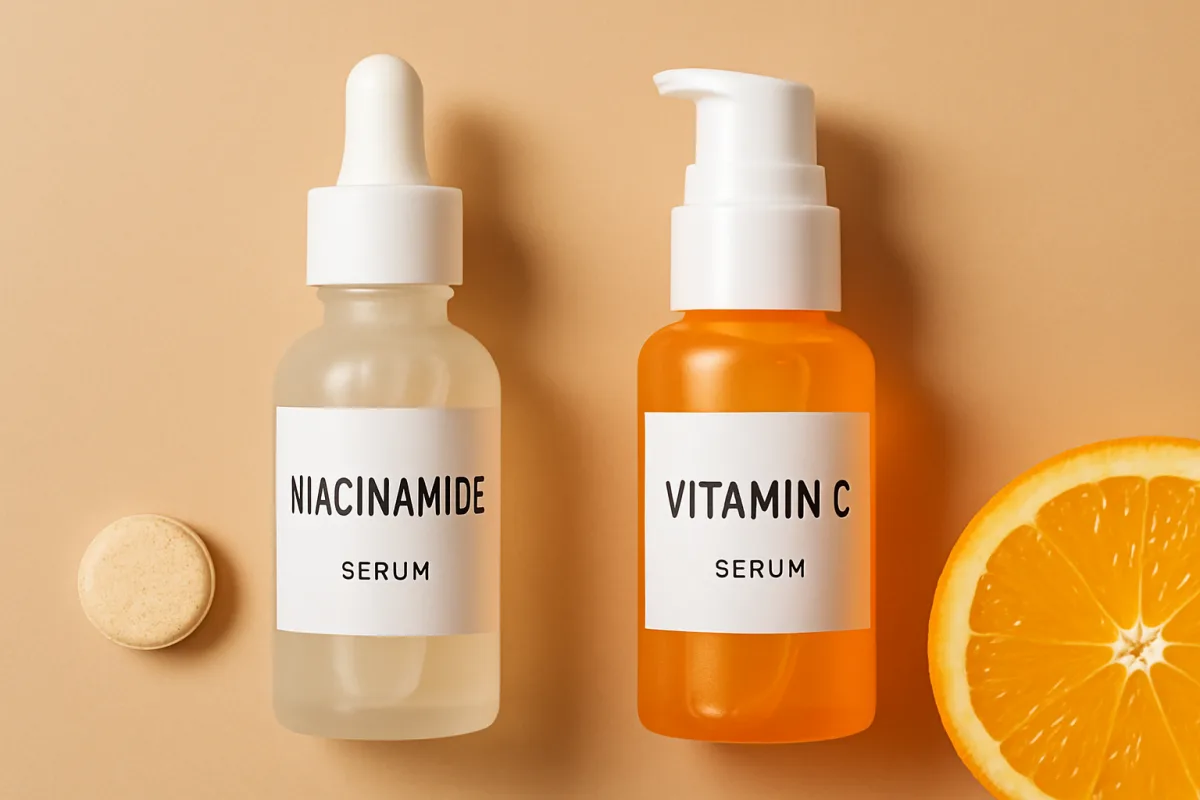
Niacinamide and Vitamin C are both popular skincare ingredients known for their benefits, but they serve different purposes. Niacinamide, also known as Vitamin B3, helps improve skin texture, reduce redness, and minimize pores. Vitamin C, on the other hand, is a powerful antioxidant that brightens the skin and helps with hyperpigmentation. While both can be used together, it's essential to layer them correctly to avoid potential irritation.
Quick Summary
Niacinamide and Vitamin C are two effective skincare ingredients with distinct benefits. Niacinamide focuses on improving skin texture and reducing redness, while Vitamin C brightens the skin and combats pigmentation. Understanding how to use these ingredients together can enhance your skincare routine.
Curator Notes
Niacinamide, or Vitamin B3, is celebrated for its ability to improve skin barrier function, enhance hydration, and reduce the appearance of enlarged pores. It also has anti-inflammatory properties, making it suitable for sensitive skin types. Users often report a more even skin tone and reduced redness after consistent use.
Its versatility allows it to be incorporated into various skincare routines without significant risk of irritation. Vitamin C, particularly in its L-ascorbic acid form, is renowned for its brightening effects and ability to combat oxidative stress. It helps to fade dark spots and promotes collagen production, leading to firmer skin.
However, Vitamin C can be unstable and may cause irritation for some users, especially at higher concentrations. When using both ingredients, it's advisable to apply Vitamin C in the morning for its protective benefits against UV damage, and Niacinamide in the evening to support skin repair and hydration.
Recommended Options
- The Ordinary Niacinamide 10% + Zinc 1%: Best for Individuals looking to reduce blemishes and improve skin texture. Affordable and effective formulation with a high concentration of Niacinamide. Signal checked: Highly rated by users for its visible results in reducing acne and pore size. Alternative to consider: Paula's Choice 10% Niacinamide Booster
- SkinCeuticals C E Ferulic: Best for Those seeking a premium Vitamin C serum for brightening and anti-aging. Contains a potent combination of Vitamin C, E, and Ferulic Acid for enhanced stability and efficacy. Signal checked: Widely recommended by dermatologists and skincare experts for its effectiveness. Alternative to consider: La Roche-Posay Pure Vitamin C Face Serum
Best Sources
Videos and Community Signals
Do you like using niacinamide serum? Niacinamide is a popular skin care ingredient . This ingredients is a jack of all and master ...
We discuss our opinions on popular skincare ingredients. Are these popular ingredients like vitamin C, niacinamide, and ...
Comparison
| Decision Point | Good Starting Choice | When to Go Further |
|---|---|---|
| Skin Type Suitability | Niacinamide is suitable for all skin types, especially sensitive. | Vitamin C may irritate sensitive skin; patch testing is recommended. |
| Main Benefit | Niacinamide improves skin texture and reduces redness. | Vitamin C brightens skin and reduces hyperpigmentation. |
| Usage Timing | Can be used both morning and night. | Best used in the morning for UV protection. |
FAQ
Yes, they can be used together, but it's best to apply them at different times or layer them correctly to avoid irritation.
Niacinamide is generally better for acne-prone skin due to its anti-inflammatory properties.
Start with Vitamin C in the morning and Niacinamide in the evening for optimal results.