NFT Royalties Explained Simply
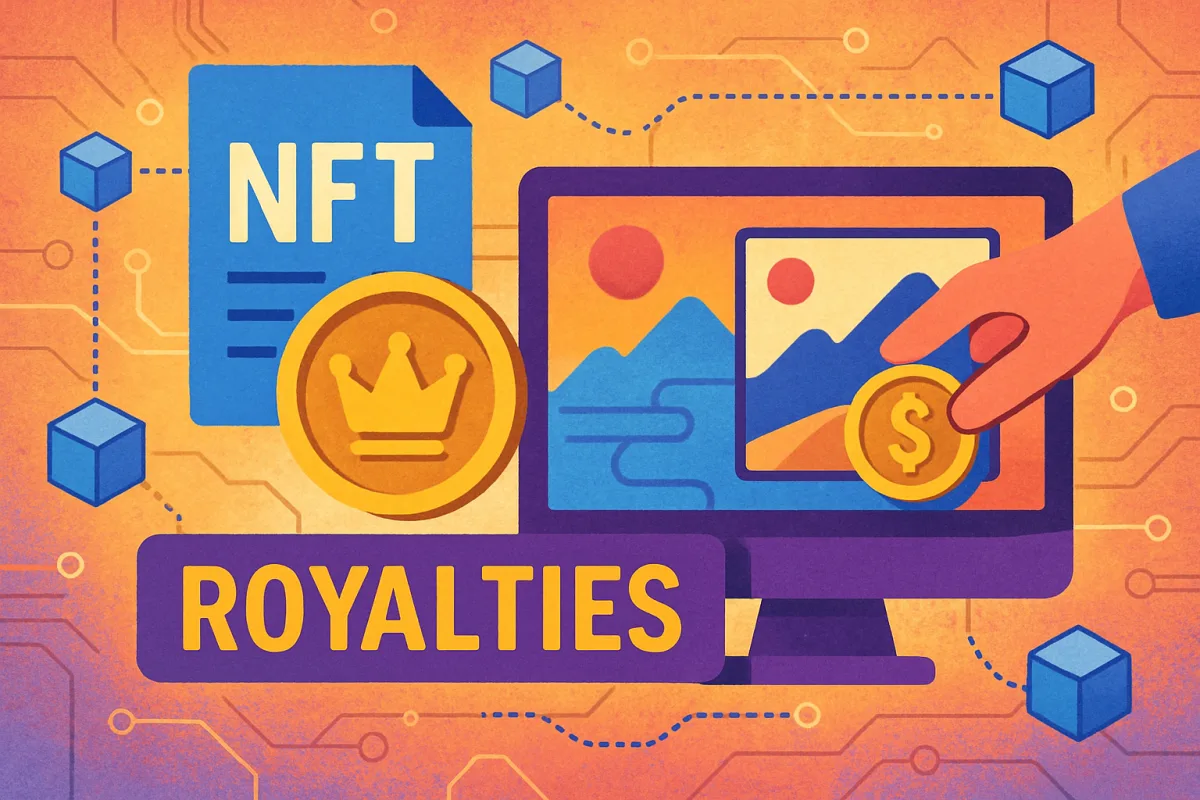
NFT royalties are a mechanism that allows creators to earn a percentage of sales every time their NFT is resold. This system incentivizes artists and developers, ensuring they benefit from the ongoing value of their work. Typically, royalties are set as a percentage of the sale price and can vary widely, often ranging from 5% to 10%. The implementation of royalties is usually coded directly into the smart contract of the NFT, making them automatic and transparent. However, the actual enforcement of these royalties can vary across different marketplaces, leading to some debate about their effectiveness.
Quick Summary
Understanding NFT royalties is crucial for artists and collectors alike. These royalties enable creators to receive ongoing compensation each time their digital artwork is resold, typically coded into the NFT's smart contract. While the percentage can vary, it's commonly set between 5% and 10%. However, the effectiveness of these royalties can differ across platforms, sparking discussions about their enforcement and impact on the market. Knowing how royalties work can help artists maximize their earnings and inform buyers about the value of their purchases.
Curator Notes
NFT royalties serve as a vital income stream for creators in the digital art space. By embedding a royalty percentage into the NFT's smart contract, artists can ensure that they receive a portion of sales whenever their work is resold. This model not only rewards creators but also encourages the ongoing appreciation of their work in the marketplace.
The typical royalty percentage ranges from 5% to 10%, but some platforms allow for customization. This flexibility can be beneficial for artists looking to establish their own terms, but it can also lead to confusion for buyers who may not be aware of the specific royalty arrangements. One of the significant challenges with NFT royalties is the inconsistency in enforcement across different marketplaces.
While some platforms automatically uphold the royalty agreements, others may not, leading to potential revenue loss for creators. This discrepancy has led to ongoing discussions in the community about the need for standardized practices. Another consideration is the impact of royalties on resale value.
Buyers may be deterred by high royalty fees, which could affect their willingness to purchase. Artists must balance their desire for ongoing income with the market's appetite for their work, making strategic decisions about royalty percentages. Moreover, the legal landscape surrounding NFT royalties is still evolving.
As regulations develop, creators may need to stay informed about how these changes could affect their rights and earnings. Understanding the legal implications is crucial for anyone involved in the NFT space. Finally, artists should also consider diversifying their income streams beyond royalties.
While they can provide a steady revenue source, relying solely on them may not be sustainable in the long term. Exploring other avenues, such as direct sales or collaborations, can help mitigate risks associated with fluctuating NFT markets. In summary, NFT royalties represent a significant advancement for creators in the digital space, but they come with complexities that require careful navigation.
By understanding the mechanics, potential pitfalls, and market dynamics, artists can better position themselves for success in this innovative landscape.
Best Sources
Videos and Community Signals
What are NFT's? NFT's are an innovation in the blockchain/cryptocurrency space that allows you to track who owns a particular ...
shorts #rmrk #nfts #metaverse #crypto #nft #nftgame Welcome to the most advanced NFT standard in the World. We've been on ...
Comparison
| Decision Point | Good Starting Choice | When to Go Further |
|---|---|---|
| Online booking | A simple booking page with service duration, staff assignment and confirmation emails. | Multi-location calendars, deposits, cancellation rules and waitlist handling. |
| Client records | Basic notes, visit history and contact details are enough to start. | Segmentation, purchase history, memberships, forms and before-after notes become more important. |
| Reminders | SMS or email reminders help reduce no-shows without adding admin work. | Automated rebooking, follow-up campaigns and missed-appointment recovery matter more. |
| Payments | Card capture and checkout should be simple and transparent. | Packages, memberships, staff commissions, tips and refunds need cleaner reporting. |
| Marketing | Light email or SMS campaigns are useful if they are easy to run. | Automated win-back, birthday offers, review requests and audience segments create more leverage. |
FAQ
NFT royalties are payments made to creators whenever their NFT is resold, typically encoded in the NFT's smart contract.
Royalties usually range from 5% to 10% of the resale price, but this can vary based on the platform and the creator's choice.
No, enforcement of royalties can vary significantly between different marketplaces, with some not honoring the agreed-upon percentages.
They provide a continuous revenue stream for artists, ensuring they benefit from the ongoing value of their work.
Yes, high royalty fees may deter potential buyers, impacting the overall resale market for the NFT.