Multi-Channel Selling Strategy Guide
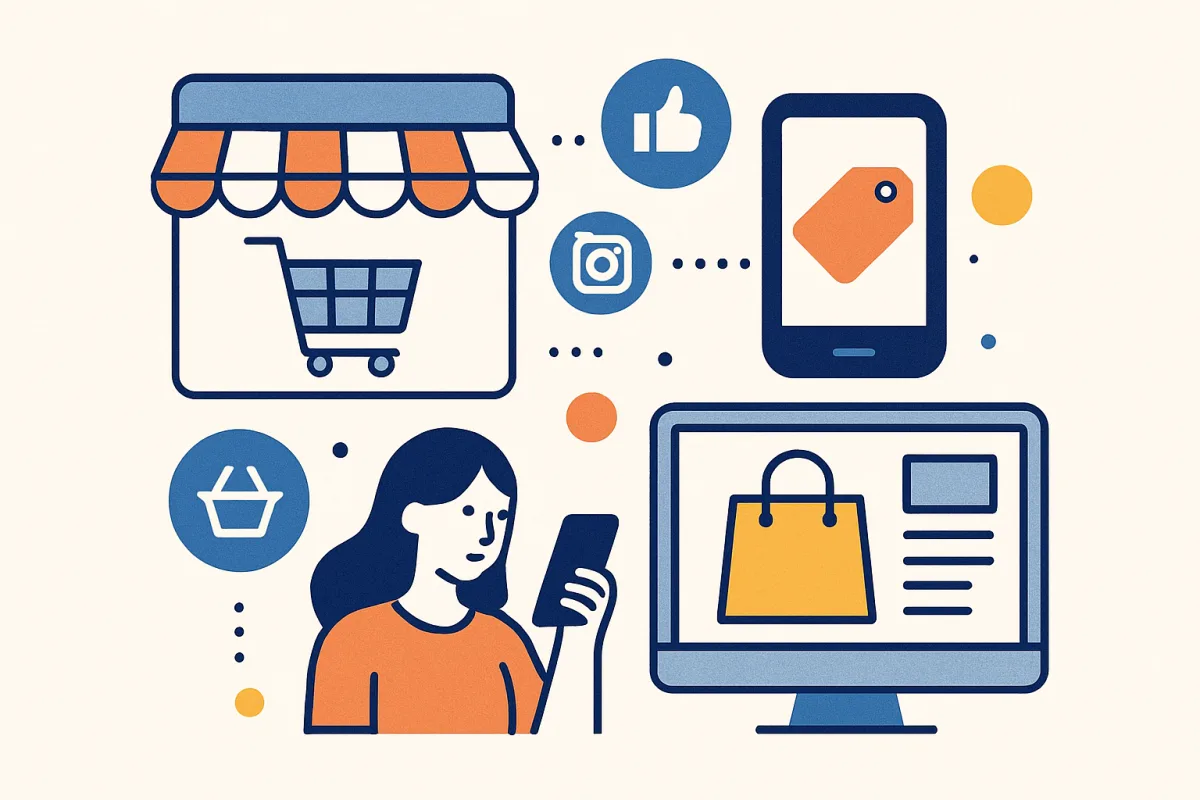
A multi-channel selling strategy involves utilizing various sales channels to reach customers more effectively. This approach allows businesses to diversify their revenue streams, enhance customer engagement, and improve brand visibility. Key channels include e-commerce websites, social media platforms, marketplaces like Amazon, and physical retail stores. By integrating these channels, businesses can create a seamless shopping experience, catering to customer preferences and increasing sales opportunities.
Quick Summary
This guide explores the essentials of a multi-channel selling strategy, detailing how to effectively engage customers across various platforms. It covers the benefits of diversifying sales channels, integrating marketing efforts, and optimizing customer experiences to drive sales growth.
Curator Notes
Implementing a multi-channel selling strategy can significantly enhance a business's reach and customer engagement. By leveraging multiple platforms—such as e-commerce sites, social media, and physical stores—businesses can cater to diverse customer preferences and behaviors. This strategy not only broadens market exposure but also mitigates risks associated with relying on a single sales channel.
To successfully execute this strategy, businesses should focus on integrating their marketing efforts across channels. Consistent branding and messaging are crucial in maintaining a cohesive customer experience. Additionally, utilizing data analytics can help identify which channels yield the best results, allowing businesses to allocate resources more effectively and tailor their offerings to meet customer needs.
Finally, it’s essential to continuously evaluate and adapt the strategy based on customer feedback and market trends. This iterative approach ensures that businesses remain competitive and responsive to changing consumer behaviors, ultimately leading to sustained growth and customer loyalty.
Recommended Options
- Shopify: Best for Small to medium-sized businesses looking to establish an online presence. Shopify offers an easy-to-use platform with extensive integrations for various sales channels. Signal checked: Widely recognized in the e-commerce industry with over 1.7 million businesses using it. Alternative to consider: WooCommerce for WordPress users.
- BigCommerce: Best for Businesses needing advanced features and scalability. BigCommerce provides robust tools for multi-channel selling, including built-in SEO features. Signal checked: Trusted by brands like Ben & Jerry's and Skullcandy. Alternative to consider: Magento for highly customizable solutions.
- Amazon Marketplace: Best for Sellers wanting to tap into a vast customer base. Access to millions of customers and established trust. Signal checked: Amazon is the largest online marketplace globally, with a significant share of e-commerce sales. Alternative to consider: eBay for auction-style selling.
Best Sources
Videos and Community Signals
Welcome to this episode of eCommerce 101! In this series, we'll dive into some top tips, tricks, and strategies for growing an ...
Watch our expert panellists webinar from Calashock, BigCommerce and Skyvia to learn everything you need to know to master ...
Comparison
| Decision Point | Good Starting Choice | When to Go Further |
|---|---|---|
| Ease of Use | Shopify is user-friendly and ideal for beginners. | BigCommerce offers advanced features but may require more technical knowledge. |
| Scalability | Shopify is suitable for small businesses but can scale. | BigCommerce is designed for larger businesses with complex needs. |
| Marketplace Access | Amazon Marketplace provides immediate access to a large audience. | BigCommerce allows integration with multiple marketplaces for broader reach. |
FAQ
A multi-channel selling strategy involves using various sales platforms to reach customers, enhancing visibility and engagement.
It diversifies revenue streams, mitigates risks, and caters to different customer preferences, ultimately boosting sales.
Analyze your target audience, assess where they shop, and consider the resources available for managing multiple channels.