Microphones for Content Creators
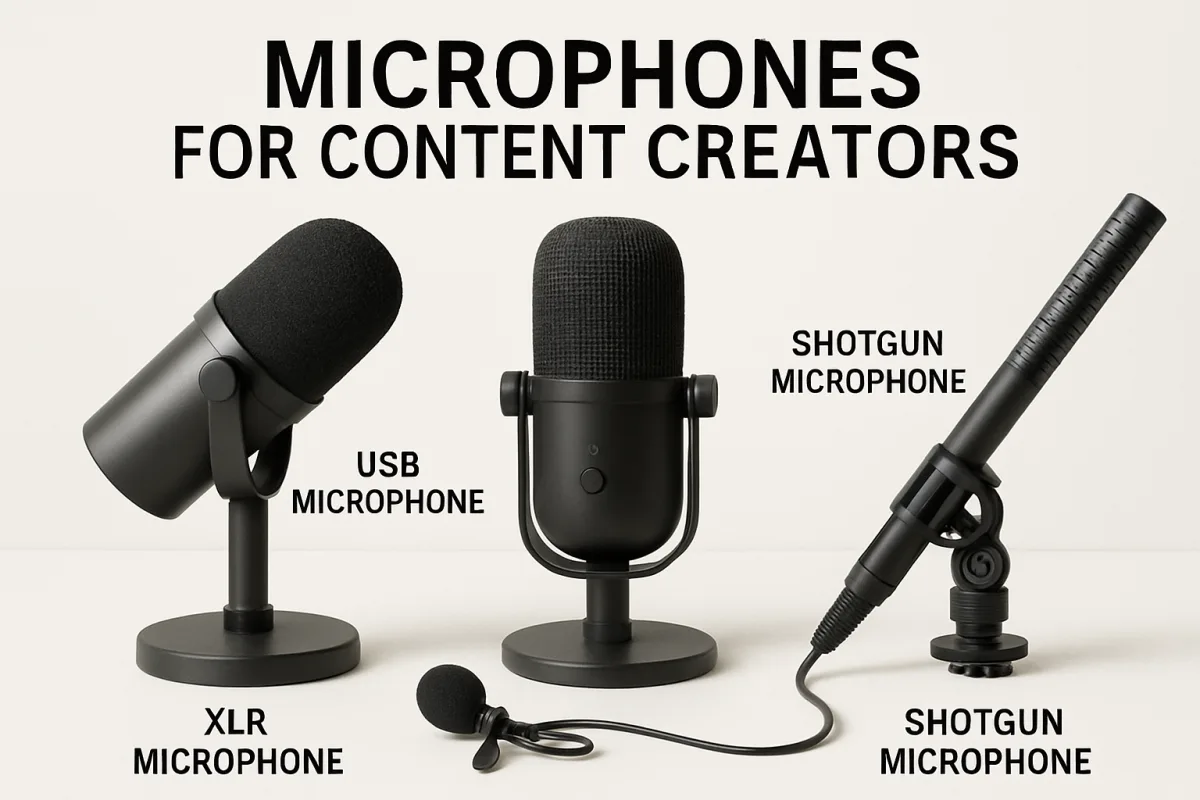
For content creators, selecting the right microphone is crucial for achieving high-quality audio. Popular options include the Audio-Technica AT2020 for its affordability and sound clarity, the Rode NT-USB for its versatility and ease of use, and the Shure SM7B, which is favored by professionals for its rich sound quality. Each microphone serves different needs, from budget-friendly options to high-end choices, ensuring creators can find the right fit for their projects.
Quick Summary
Choosing the right microphone is essential for content creators. Options like the Audio-Technica AT2020, Rode NT-USB, and Shure SM7B cater to various needs and budgets, providing quality sound for podcasts, videos, and live streams.
Curator Notes
When it comes to microphones for content creators, the choice can significantly impact the quality of audio in your projects. The Audio-Technica AT2020 is an excellent entry-level condenser microphone that offers great sound quality at an affordable price, making it ideal for beginners and those on a budget. Its cardioid pattern helps isolate sound, reducing background noise, which is essential for clear recordings.
For those seeking versatility, the Rode NT-USB is a USB microphone that combines ease of use with professional sound quality. It’s particularly suitable for podcasters and streamers who want a plug-and-play solution without sacrificing audio fidelity. The built-in pop filter and headphone output make it user-friendly for real-time monitoring.
On the higher end, the Shure SM7B is a favorite among professionals, especially in broadcasting and music production. Its dynamic design and ability to handle high sound pressure levels make it suitable for various applications, from voiceovers to music recording. While it requires a bit more investment, its durability and sound quality justify the price for serious creators.
Ultimately, the best microphone for you will depend on your specific needs, budget, and the type of content you are creating. Consider factors like connectivity, sound quality, and intended use when making your choice.
Recommended Options
- Audio-Technica AT2020: Best for Budget-conscious creators Affordable with excellent sound quality. Signal checked: Highly rated for entry-level microphones. Alternative to consider: Samson C01
- Rode NT-USB: Best for Podcasters and streamers USB connectivity and built-in features. Signal checked: Popular among content creators for its ease of use. Alternative to consider: Blue Yeti
- Shure SM7B: Best for Professional audio production Rich sound quality and durability. Signal checked: Widely used in studios and by professionals. Alternative to consider: Electro-Voice RE20
Best Sources
Videos and Community Signals
The Fifine K688, Fifine AM8, and Fifine SC3 Mixer are some of the most affordable, and highest quality Microphones on the ...
Cooking Creators Course: https://www.cookingcreators.com/ The mic I'm wearing and using in this video is the PicoMic. I didn't ...
Comparison
| Decision Point | Good Starting Choice | When to Go Further |
|---|---|---|
| Budget | Audio-Technica AT2020 | Shure SM7B |
| Connectivity | Rode NT-USB (USB) | Shure SM7B (XLR, requires interface) |
| Use Case | Audio-Technica AT2020 (general use) | Shure SM7B (professional recording) |
FAQ
Dynamic microphones like the Shure SM7B or condenser microphones like the Rode NT-USB are great for podcasting due to their sound quality and noise isolation.
Not all microphones require an audio interface. USB microphones can be plugged directly into a computer, while XLR microphones need an interface.
Dynamic microphones are generally more durable and better for live settings, while condenser microphones are more sensitive and ideal for studio recordings.