Metabolic Adaptation Explained
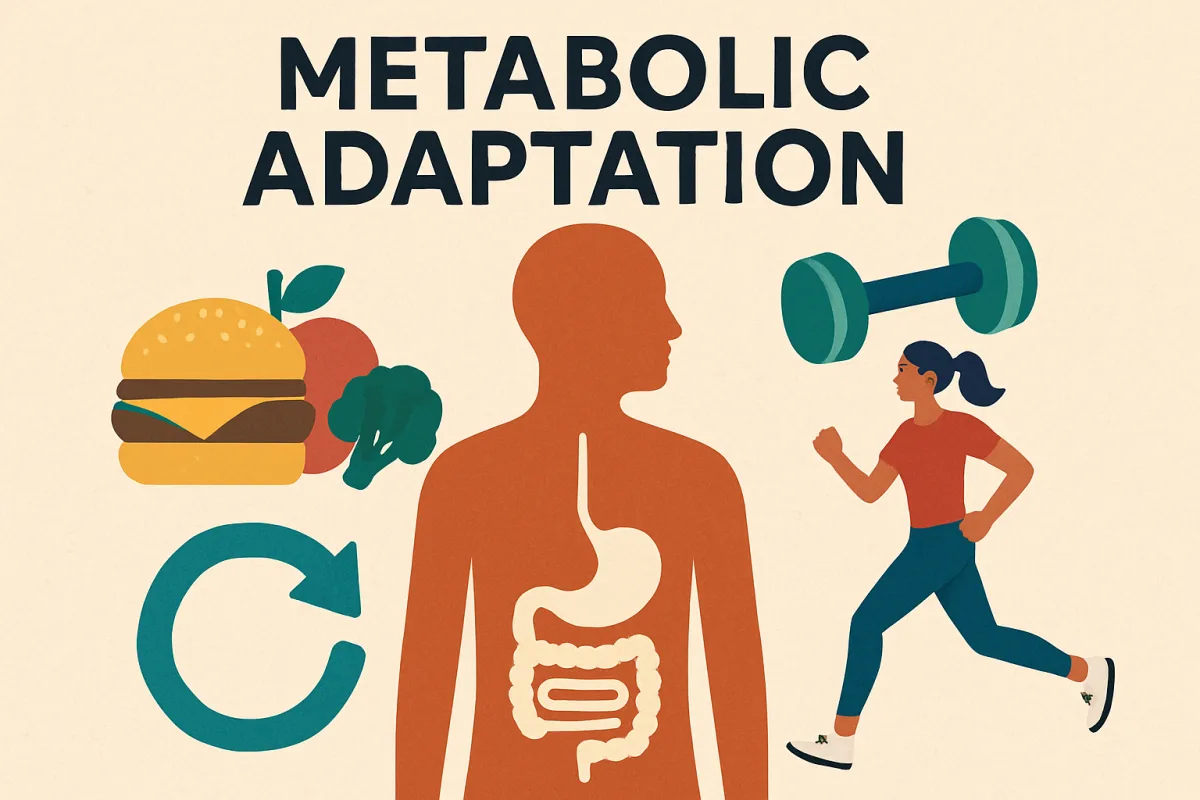
Metabolic adaptation refers to the body's physiological response to changes in diet and exercise, particularly during weight loss. As individuals lose weight, their metabolism may slow down, making it harder to continue losing weight. This phenomenon is often attributed to hormonal changes, decreased energy expenditure, and alterations in body composition. Understanding metabolic adaptation is crucial for developing effective weight loss strategies and maintaining long-term results.
Quick Summary
Metabolic adaptation is a key concept in weight loss, describing how the body adjusts its metabolism in response to changes in diet and exercise. This adaptation can lead to a slower metabolism, making weight loss more challenging over time. Recognizing these changes is essential for creating sustainable weight loss plans.
Curator Notes
Metabolic adaptation is a complex physiological process that occurs when the body adjusts its energy expenditure in response to changes in diet and physical activity. When individuals lose weight, their bodies often respond by slowing down metabolism, which can hinder further weight loss efforts. This is primarily due to hormonal changes, such as reductions in leptin and increases in ghrelin, which influence hunger and energy balance.
Additionally, as body mass decreases, the total energy expenditure also declines because a smaller body requires less energy to maintain basic functions. This means that individuals may need to further reduce caloric intake or increase physical activity to continue losing weight. Understanding these adaptations is essential for developing effective weight loss strategies that are sustainable in the long run, allowing individuals to maintain their weight loss without feeling deprived or constantly hungry.
Best Sources
Videos and Community Signals
Study: https://academic.oup.com/ajcn/advance-article/doi/10.1093/ajcn/nqaa220/5897225 A new study made a lot of headlines ...
Dr. Allan Bacon dives into the common reasons behind weight loss plateaus and the science of metabolic adaptation. Learn how ...
Comparison
| Decision Point | Good Starting Choice | When to Go Further |
|---|---|---|
| Online booking | A simple booking page with service duration, staff assignment and confirmation emails. | Multi-location calendars, deposits, cancellation rules and waitlist handling. |
| Client records | Basic notes, visit history and contact details are enough to start. | Segmentation, purchase history, memberships, forms and before-after notes become more important. |
| Reminders | SMS or email reminders help reduce no-shows without adding admin work. | Automated rebooking, follow-up campaigns and missed-appointment recovery matter more. |
| Payments | Card capture and checkout should be simple and transparent. | Packages, memberships, staff commissions, tips and refunds need cleaner reporting. |
| Marketing | Light email or SMS campaigns are useful if they are easy to run. | Automated win-back, birthday offers, review requests and audience segments create more leverage. |
FAQ
Metabolic adaptation is caused by hormonal changes, decreased energy expenditure, and alterations in body composition that occur during weight loss.
To overcome metabolic adaptation, consider adjusting your caloric intake, increasing physical activity, or incorporating strength training to help boost metabolism.
No, metabolic adaptation is not permanent. With appropriate dietary and exercise adjustments, it is possible to restore metabolic rate.