Menopause Weight Gain Solutions
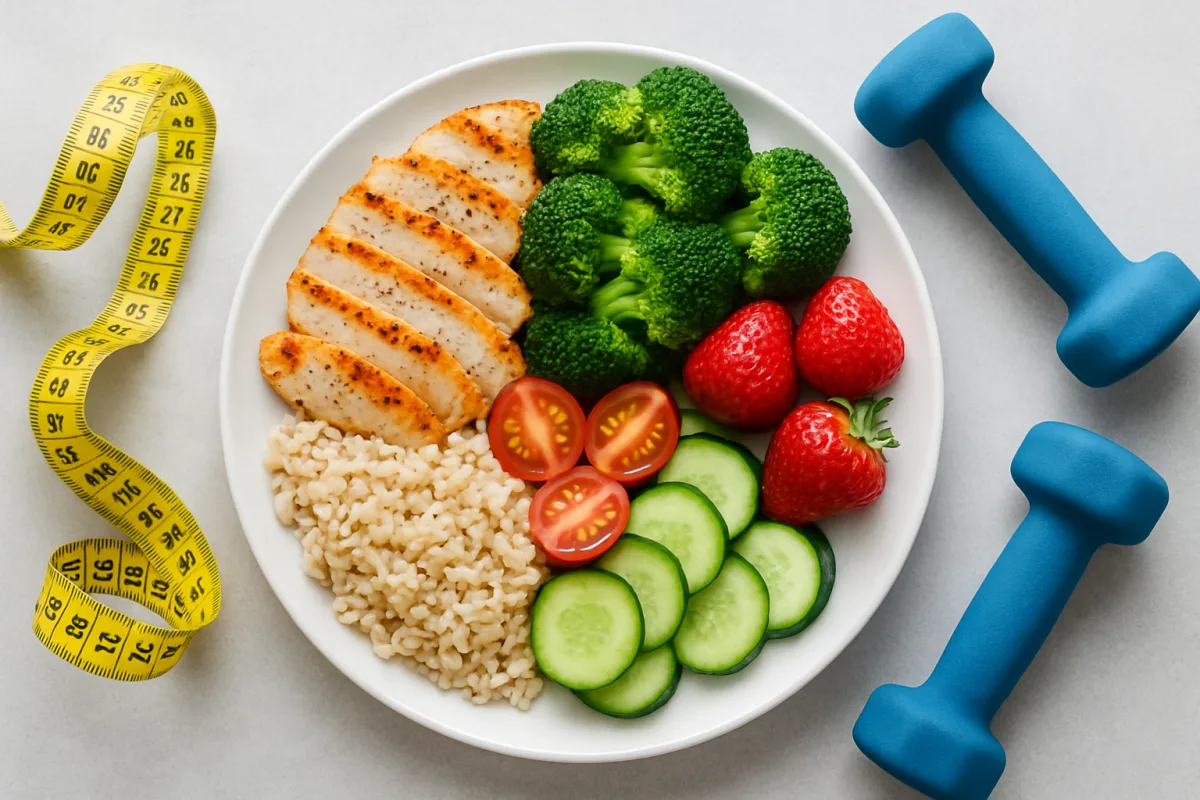
Menopause weight gain can be effectively managed through a combination of dietary changes, exercise, and specific supplements. Popular solutions include adopting a balanced diet rich in whole foods, engaging in regular physical activity, and considering supplements like omega-3 fatty acids and probiotics. Each approach has its benefits and potential drawbacks, making it essential to tailor strategies to individual needs and consult healthcare professionals for personalized advice.
Quick Summary
Managing weight gain during menopause involves dietary adjustments, exercise, and possibly supplements. Effective strategies include a balanced diet, regular physical activity, and specific supplements tailored to individual needs. Consulting healthcare professionals is recommended for personalized approaches.
Curator Notes
Weight gain during menopause is a common concern, largely due to hormonal changes that can affect metabolism and fat distribution. To combat this, a balanced diet is crucial. Incorporating whole foods, such as fruits, vegetables, lean proteins, and healthy fats, can help regulate weight.
It's also beneficial to limit processed foods and sugars, which can exacerbate weight gain. Regular meal patterns and portion control are essential strategies to consider. In addition to dietary changes, exercise plays a vital role in managing menopause-related weight gain.
Engaging in both aerobic and strength training exercises can boost metabolism and help maintain muscle mass, which tends to decline with age. Activities like walking, swimming, and weight lifting are particularly effective. Lastly, supplements such as omega-3 fatty acids and probiotics may offer additional support, but it's important to consult with a healthcare provider before starting any new supplement regimen to ensure safety and efficacy.
Recommended Options
- Garden of Life Dr. Formulated Probiotics: Best for Women looking to improve gut health and support weight management. Contains a high CFU count and is specifically formulated for women's health. Signal checked: Highly rated on health supplement platforms with numerous positive reviews. Alternative to consider: Culturelle Probiotics
- Nordic Naturals Omega-3 Fish Oil: Best for Individuals seeking to support heart health and reduce inflammation. Sourced from wild-caught fish and offers high-quality omega-3s. Signal checked: Recommended by health professionals and well-reviewed by users. Alternative to consider: Viva Naturals Omega-3 Fish Oil
- MyFitnessPal: Best for Those wanting to track food intake and exercise easily. User-friendly interface with a large food database and community support. Signal checked: Widely used with millions of downloads and positive user feedback. Alternative to consider: Lose It! app
Best Sources
Videos and Community Signals
Hormonal changes during the menopause can impact not only your weight and metabolism, but also where you tend to hold ...
Dr. Jen Ashton with answers to viewers' health questions. SUBSCRIBE to GMA3's YouTube page: https://bit.ly/3kNlst8 VISIT ...
Comparison
| Decision Point | Good Starting Choice | When to Go Further |
|---|---|---|
| Dietary Approach | Adopt a balanced diet focusing on whole foods. | Consult a nutritionist for personalized meal planning. |
| Exercise Routine | Incorporate regular aerobic activities like walking. | Engage in a structured strength training program. |
| Supplement Use | Consider basic probiotics for gut health. | Explore tailored supplements based on individual health needs. |
FAQ
Focus on a balanced diet rich in whole foods, including fruits, vegetables, lean proteins, and healthy fats while minimizing processed foods and sugars.
Aim for at least 150 minutes of moderate aerobic activity each week, along with strength training exercises at least twice a week.
Supplements can be beneficial but should be considered based on individual health needs and after consulting a healthcare professional.