Medicare vs Medicaid Explained
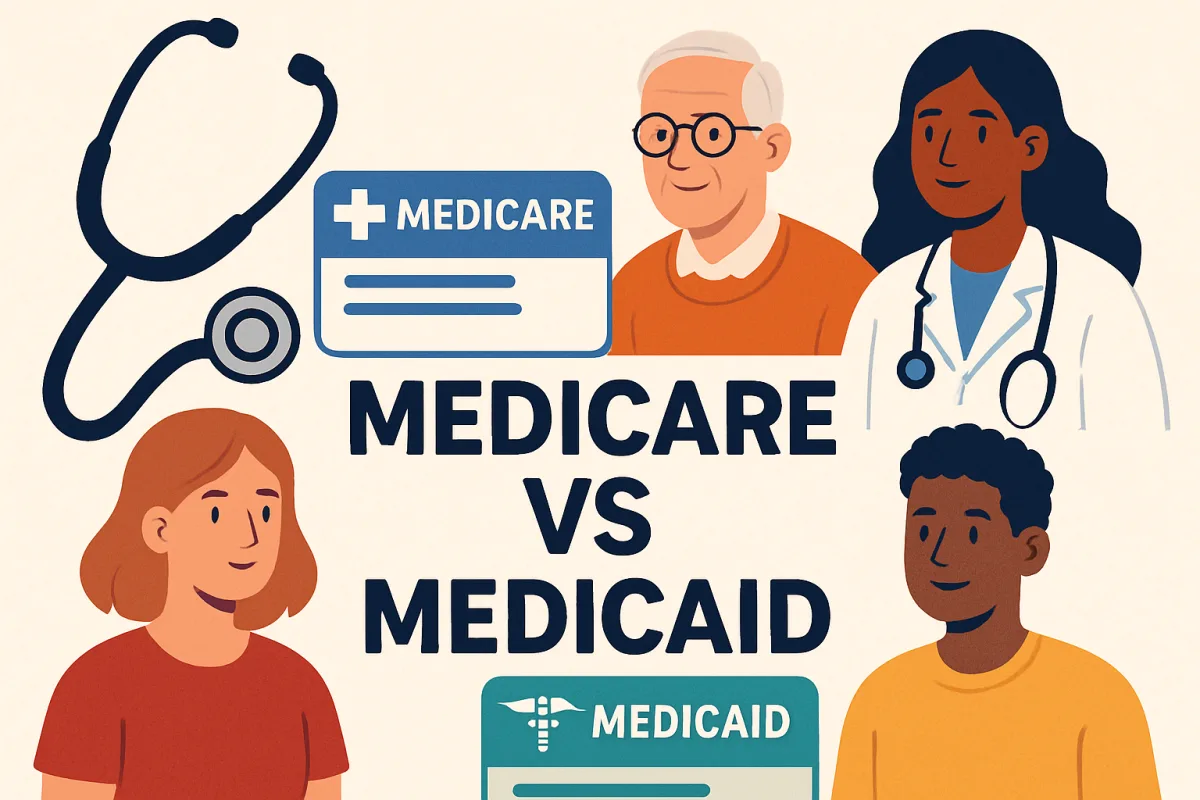
Medicare and Medicaid are two distinct government programs in the United States designed to provide healthcare coverage, but they serve different populations and have different eligibility criteria. Medicare primarily caters to individuals aged 65 and older, as well as some younger people with disabilities. In contrast, Medicaid is aimed at low-income individuals and families, covering a broader range of services. Understanding the differences between these programs is crucial for making informed healthcare decisions.
Quick Summary
Medicare and Medicaid are vital healthcare programs in the U.S., but they cater to different demographics and needs. Medicare is primarily for seniors and certain disabled individuals, while Medicaid supports low-income families and individuals. Each program has unique eligibility requirements, benefits, and coverage options. Knowing these differences can help individuals navigate their healthcare choices more effectively and ensure they receive the appropriate care.
Curator Notes
Medicare is a federal program that primarily serves individuals aged 65 and older, although younger individuals with specific disabilities can also qualify. It is divided into several parts: Part A covers hospital insurance, Part B covers medical insurance, Part C includes Medicare Advantage plans, and Part D provides prescription drug coverage. The program generally requires beneficiaries to pay premiums, deductibles, and co-pays, which can vary based on the chosen plan and income level.
On the other hand, Medicaid is a state and federal program designed to assist low-income individuals and families. Eligibility varies by state, but it typically covers children, pregnant women, elderly individuals, and those with disabilities. Medicaid provides a broader range of services than Medicare, including long-term care, which is not typically covered by Medicare.
This makes Medicaid crucial for those who require extensive medical care or assistance with daily living activities. One significant difference between the two programs is the funding structure. Medicare is funded through payroll taxes and premiums, while Medicaid is jointly funded by the federal and state governments.
This can lead to variations in coverage and benefits depending on the state, which can be a source of confusion for potential beneficiaries. Another important aspect to consider is the enrollment process. Medicare enrollment usually begins three months before an individual turns 65, while Medicaid enrollment can occur at any time, depending on income and household size.
This flexibility can be beneficial for those who experience changes in financial circumstances. Additionally, while both programs aim to provide essential healthcare services, they do not cover everything. For instance, dental and vision care may not be included in Medicare plans, whereas Medicaid may cover these services depending on the state.
Understanding these nuances is essential for individuals to make informed decisions about their healthcare coverage. In summary, while Medicare and Medicaid both play crucial roles in the U.S. healthcare system, they cater to different populations and have distinct eligibility requirements and benefits.
Individuals should carefully assess their circumstances and needs to determine which program is most appropriate for them. Consulting with a healthcare advisor or using online resources can provide further clarity on these options. Ultimately, the choice between Medicare and Medicaid can significantly impact an individual's access to healthcare services.
It is advisable to stay informed about any changes in policies or benefits, as these can influence coverage and costs over time.
Best Sources
Videos and Community Signals
What is the difference between Medicare and Medicaid? Medicare Advisor Tricia Sandiego breaks down the key differences ...
Medicare & Medicaid 101 explores the basics and differences of government funded health plans. For more information, visit ...
Comparison
| Decision Point | Good Starting Choice | When to Go Further |
|---|---|---|
| Eligibility Criteria | Individuals aged 65 and older or with disabilities (Medicare) | Low-income individuals and families (Medicaid) |
| Coverage Scope | Hospital and medical insurance (Medicare) | Broader range including long-term care (Medicaid) |
| Enrollment Process | Begins three months before turning 65 (Medicare) | Open enrollment based on income (Medicaid) |
| Funding Source | Funded by payroll taxes and premiums (Medicare) | Jointly funded by federal and state governments (Medicaid) |
FAQ
Yes, some individuals may qualify for both programs, often referred to as 'dual eligibility.' This typically applies to low-income seniors or individuals with disabilities.
Medicaid often covers long-term care, dental services, and vision care, which are not typically covered by Medicare.
You can apply for Medicare online through the Social Security Administration's website, by phone, or in person at your local Social Security office.
If denied, you can appeal the decision. It's advisable to seek assistance from a local Medicaid office or a legal aid organization.