Macro Tracking for Gym Beginners
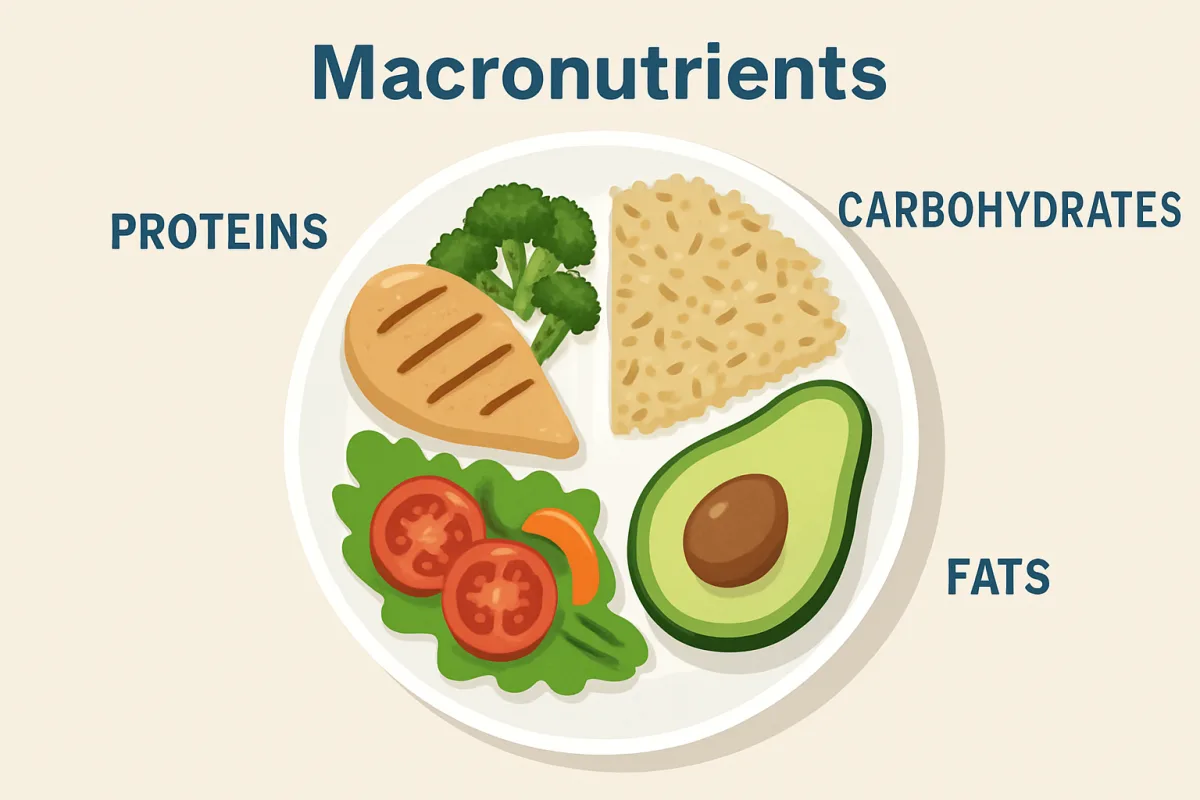
Macro tracking is essential for gym beginners to optimize nutrition for fitness goals. It involves monitoring macronutrients—proteins, fats, and carbohydrates—to maintain a balanced diet that supports muscle gain, fat loss, or overall health. Beginners should start by calculating their daily caloric needs and breaking these down into macronutrient ratios that align with their specific fitness objectives. Apps like MyFitnessPal can simplify this process, allowing for easy tracking and adjustments.
Quick Summary
For gym beginners, macro tracking is crucial for achieving fitness goals. It helps in understanding the balance of proteins, fats, and carbohydrates needed for optimal performance and recovery. By calculating daily caloric needs and using tracking tools, beginners can effectively manage their nutrition to support muscle growth or fat loss.
Curator Notes
Macro tracking is a fundamental practice for anyone starting their fitness journey. It involves understanding the three primary macronutrients: proteins, fats, and carbohydrates. Each plays a vital role in the body, from muscle repair and energy provision to overall health.
For beginners, the first step is to calculate their Total Daily Energy Expenditure (TDEE), which determines how many calories they need to consume daily based on their activity level and fitness goals. Once TDEE is established, beginners can break down their caloric intake into macronutrient ratios. A common starting point is 40% carbohydrates, 30% protein, and 30% fat, but these ratios can be adjusted based on specific goals like muscle gain or fat loss.
Utilizing apps such as MyFitnessPal or Cronometer can greatly simplify the tracking process, making it easier to log food intake and adjust as needed. Regularly reviewing and adjusting these ratios based on progress can lead to better results and a deeper understanding of personal nutrition needs.
Recommended Options
- MyFitnessPal: Best for Beginners looking for an easy-to-use tracking tool. Offers a large food database and user-friendly interface. Signal checked: Highly rated with millions of downloads and positive user reviews. Alternative to consider: Cronometer for more detailed nutrient tracking.
- Cronometer: Best for Users needing detailed micronutrient tracking. Provides comprehensive nutrient breakdowns beyond just macros. Signal checked: Recommended by nutritionists for its accuracy. Alternative to consider: Lose It! for a more gamified tracking experience.
Best Sources
Videos and Community Signals
Help me make more cheesy content: https://youtube.com/picturefit/join Discord ▻ https://discord.gg/picturefit For Cheesy Fitness ...
Want better workouts? Go here: https://ibextrained.com/ IIf you're new to the channel, we're Kristi and Patrick O'Connell. We're the ...
Comparison
| Decision Point | Good Starting Choice | When to Go Further |
|---|---|---|
| Ease of Use | MyFitnessPal is user-friendly for beginners. | Cronometer offers detailed insights for advanced users. |
| Nutrient Tracking | Basic macro tracking with MyFitnessPal. | In-depth micronutrient tracking with Cronometer. |
FAQ
Macronutrients are nutrients required in large amounts for energy and bodily functions, including proteins, fats, and carbohydrates.
You can calculate your TDEE using online calculators that consider your age, weight, height, and activity level.