Machine Learning Path for Beginners
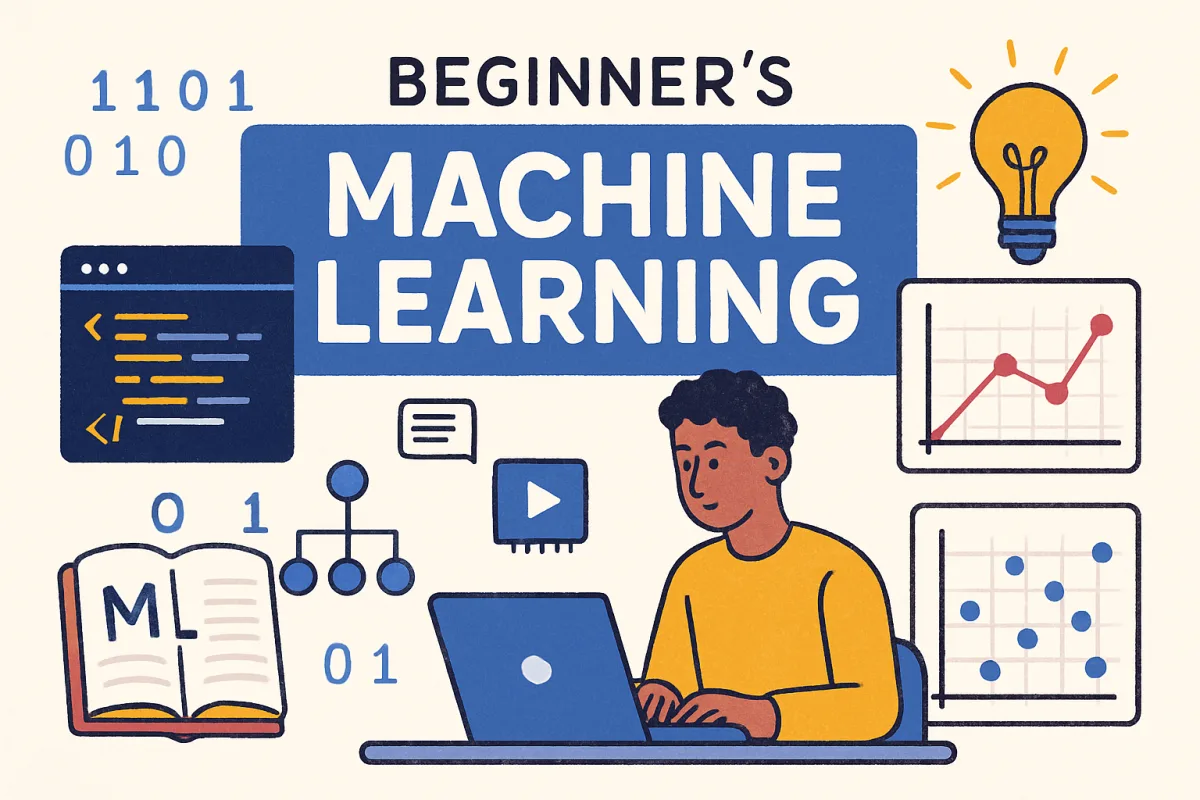
A structured machine learning path for beginners typically involves several key steps: starting with foundational knowledge in mathematics and programming, progressing to data handling, and then diving into machine learning concepts and algorithms. Resources like online courses, tutorials, and community forums can provide valuable guidance. It's essential to practice through projects and real-world applications to solidify your understanding. The journey can be complex, but with a clear roadmap and consistent effort, anyone can become proficient in machine learning.
Quick Summary
Embarking on a machine learning journey requires a well-defined path. Beginners should start with foundational skills in mathematics and programming, particularly Python. Following this, focus on data manipulation and visualization, which are crucial for understanding datasets. Next, delve into machine learning algorithms, starting with supervised and unsupervised learning. Engaging with online courses and practical projects will enhance learning. The key is to maintain a balance between theory and hands-on experience to build confidence and competence in machine learning.
Curator Notes
Starting your machine learning journey can feel overwhelming, but breaking it down into manageable steps makes it much more approachable. Begin with the basics of programming, focusing on Python, as it is the most widely used language in the field. Familiarize yourself with libraries like NumPy and Pandas, which are essential for data manipulation and analysis.
Understanding these foundational tools will set you up for success as you progress. Next, dive into the mathematical concepts that underpin machine learning. Key areas include linear algebra, calculus, and statistics.
These subjects will help you understand how algorithms work and how to optimize them. Online platforms like Khan Academy or Coursera offer excellent resources to strengthen your math skills. Once you have a solid grasp of programming and mathematics, start exploring data handling techniques.
Learning how to clean, preprocess, and visualize data is crucial. Tools like Matplotlib and Seaborn can help you create visual representations of your data, making it easier to identify patterns and insights. After mastering data handling, it's time to delve into machine learning algorithms.
Start with supervised learning techniques, such as linear regression and decision trees, before moving on to unsupervised methods like clustering. Familiarize yourself with concepts like overfitting and underfitting, as they are critical to model evaluation. Engaging in practical projects is vital for reinforcing your knowledge.
Platforms like Kaggle provide datasets and competitions that allow you to apply what you've learned in real-world scenarios. This hands-on experience is invaluable and will help you build a portfolio that showcases your skills. Finally, don't underestimate the power of community.
Join forums, attend meetups, and participate in online discussions. Engaging with others who share your interests can provide motivation, support, and additional resources. Remember, the journey in machine learning is continuous, and staying updated with the latest trends and technologies is essential.
In summary, a structured approach to learning machine learning involves mastering programming, mathematics, data handling, and algorithms, complemented by practical experience and community engagement. With dedication and the right resources, anyone can navigate this exciting field successfully.
Recommended Options
- Coursera Machine Learning Specialization: Best for Beginners looking for a comprehensive introduction Offers a structured curriculum with hands-on projects and peer feedback. Signal checked: Highly rated with thousands of positive reviews. Alternative to consider: edX's Professional Certificate in Data Science
- Kaggle Learn: Best for Hands-on practice with real datasets Provides interactive coding environments and competitions. Signal checked: Widely used by data scientists for practical learning. Alternative to consider: DataCamp for interactive data science courses
- Fast.ai Course: Best for Those interested in deep learning Focuses on practical applications and real-world projects. Signal checked: Free and highly praised by the community. Alternative to consider: Deep Learning Specialization on Coursera
Best Sources
Videos and Community Signals
Go from zero to a machine learning engineer in 12 months. This step-by-step roadmap covers the essential skills you must learn ...
Grab my AI Toolkit for free: https://academy.jeffsu.org/ai-toolkit?utm_source=youtube&utm_medium=video&utm_campaign=146 ...
Comparison
| Decision Point | Good Starting Choice | When to Go Further |
|---|---|---|
| Learning Format | Self-paced online courses for flexibility | Structured bootcamps for immersive learning |
| Hands-on Practice | Interactive coding exercises | Real-world projects and competitions |
| Community Support | Access to forums and discussion groups | Mentorship and networking opportunities |
FAQ
Python is highly recommended due to its simplicity and the vast number of libraries available for machine learning.
The timeline varies, but with consistent effort, beginners can grasp the basics in 3-6 months.
A basic understanding of linear algebra, calculus, and statistics is helpful, but many resources can help you learn these concepts alongside machine learning.