Low Sodium Flavor Tips Guide
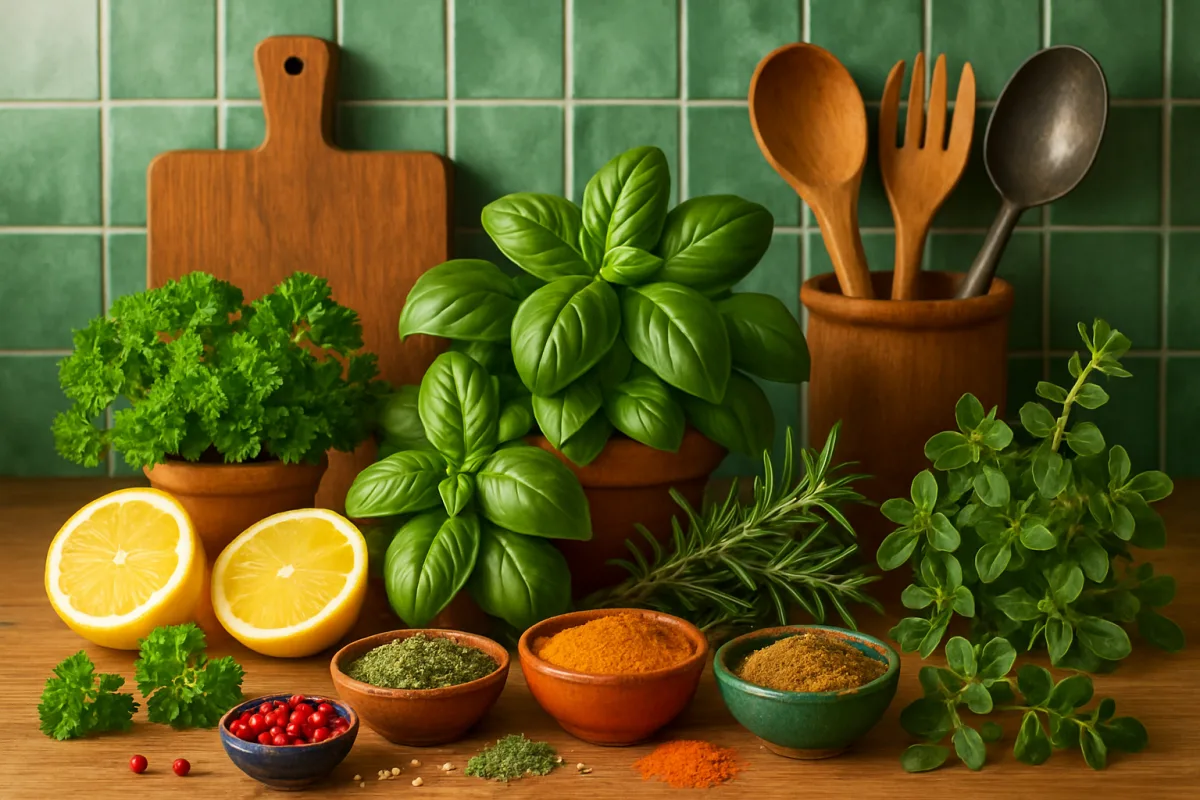
Enhancing flavor while keeping sodium levels low can be achieved through various techniques. Start by using herbs and spices, which add depth without the need for salt. Citrus juices and vinegars can brighten dishes, providing a tangy kick. Incorporating umami-rich ingredients like mushrooms, tomatoes, and nutritional yeast can also help create a satisfying taste profile. Experimenting with different cooking methods, such as roasting or grilling, can intensify flavors naturally. Lastly, consider using low-sodium or sodium-free alternatives for sauces and broths to maintain flavor without the added salt.
Quick Summary
Flavoring food without excess sodium is not only possible but can also be delicious. Utilizing fresh herbs and spices is a great starting point, as they can enhance taste significantly. Citrus juices and vinegars can add brightness, while umami-rich foods like mushrooms and tomatoes contribute depth. Cooking methods such as roasting can intensify flavors, making dishes more appealing without relying on salt. For those looking to reduce sodium intake, these strategies can transform meals into flavorful experiences without compromising health.
Curator Notes
Reducing sodium in your diet doesn't mean sacrificing flavor. One of the most effective methods is to use a variety of herbs and spices. Fresh herbs like basil, cilantro, and parsley can elevate dishes, while spices such as cumin, paprika, and garlic powder add complexity.
These ingredients not only enhance taste but also provide health benefits, making them a win-win for flavor and nutrition. Citrus juices, such as lemon or lime, and vinegars like balsamic or apple cider can brighten up dishes. A splash of vinegar can enhance the flavor profile of salads, marinades, and even cooked vegetables, giving them a refreshing zing without the need for salt.
Umami is another flavor dimension that can help replace the savory depth typically provided by salt. Ingredients rich in umami, such as mushrooms, tomatoes, and nutritional yeast, can create a satisfying taste experience. Incorporating these into your meals can help mask the absence of salt and provide a more rounded flavor.
Cooking methods also play a crucial role in flavor enhancement. Techniques like roasting or grilling can caramelize natural sugars in vegetables, intensifying their sweetness and flavor. This method can make even the simplest ingredients shine without added sodium.
When it comes to sauces and broths, look for low-sodium or sodium-free options. Many brands offer alternatives that maintain flavor while significantly reducing sodium content. Reading labels can help you find products that fit your dietary needs without compromising on taste.
Lastly, don't underestimate the power of experimentation. Trying new combinations of flavors and cooking techniques can lead to delightful discoveries. Keeping a well-stocked spice cabinet and being open to new ingredients can transform your cooking and make low-sodium meals enjoyable.
Incorporating these strategies into your cooking routine can help you create flavorful, low-sodium meals that satisfy your palate and support your health goals. With a little creativity and the right ingredients, you can enjoy delicious food without the worry of excessive sodium intake.
Best Sources
Videos and Community Signals
Has your doctor said you need to be on a low sodium diet? Are you having medical problems that could improve with a low salt ...
Here's a quick seasoning tip that makes dinner delicious—without a single grain of salt. Great for your blood pressure and your ...
Comparison
| Decision Point | Good Starting Choice | When to Go Further |
|---|---|---|
| Online booking | A simple booking page with service duration, staff assignment and confirmation emails. | Multi-location calendars, deposits, cancellation rules and waitlist handling. |
| Client records | Basic notes, visit history and contact details are enough to start. | Segmentation, purchase history, memberships, forms and before-after notes become more important. |
| Reminders | SMS or email reminders help reduce no-shows without adding admin work. | Automated rebooking, follow-up campaigns and missed-appointment recovery matter more. |
| Payments | Card capture and checkout should be simple and transparent. | Packages, memberships, staff commissions, tips and refunds need cleaner reporting. |
| Marketing | Light email or SMS campaigns are useful if they are easy to run. | Automated win-back, birthday offers, review requests and audience segments create more leverage. |
FAQ
Common herbs include basil, oregano, and rosemary, while spices like cumin, paprika, and garlic powder can add depth.
Use citrus juices, vinegars, and umami-rich ingredients like mushrooms and tomatoes to boost flavor.
Yes, many brands offer low-sodium or sodium-free sauces and broths that maintain flavor.