Low-Code Internal Tool Builder
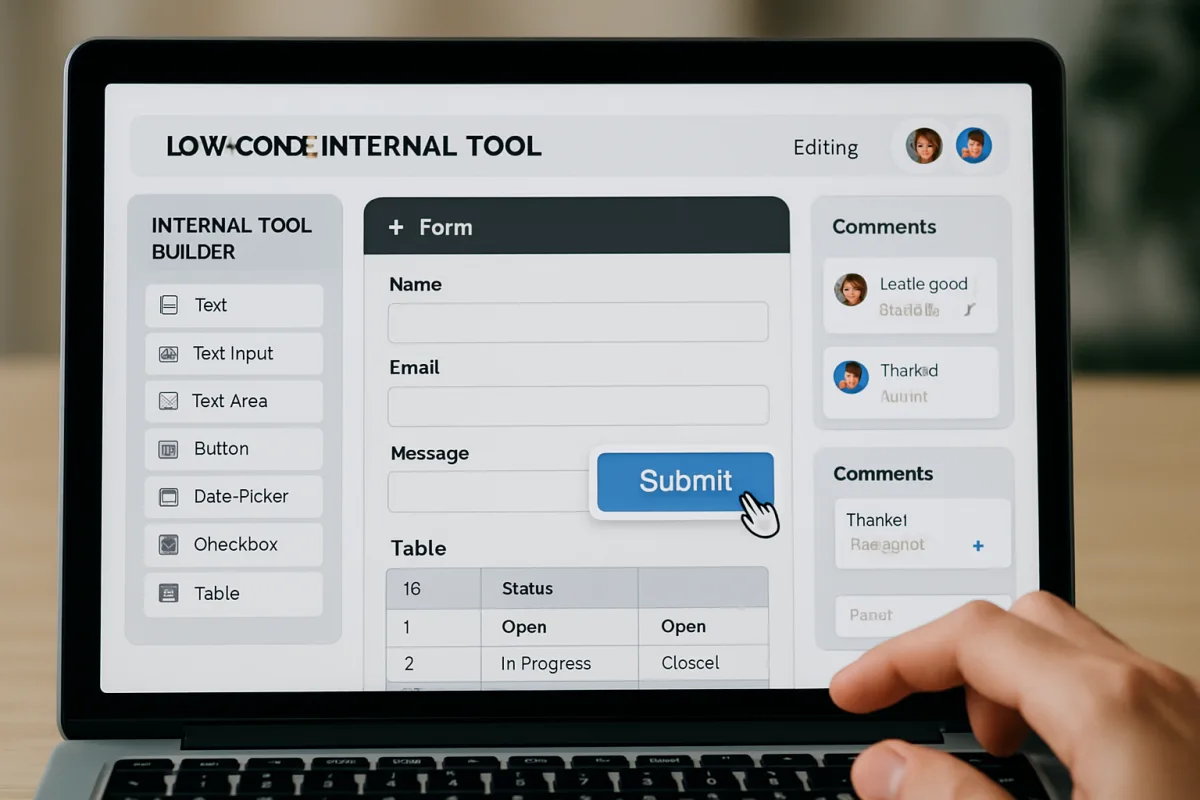
Low-code internal tool builders enable organizations to create custom applications with minimal coding knowledge. Popular options include Airtable, which excels in database management and collaboration; Bubble, known for its flexibility in app design; and OutSystems, which offers robust enterprise solutions. Each platform caters to different needs, from simple project management to complex enterprise applications, making them suitable for various teams and projects. Choosing the right tool depends on your specific requirements, such as ease of use, scalability, and integration capabilities.
Quick Summary
Low-code internal tool builders simplify application development for teams without extensive coding skills. Airtable stands out for its user-friendly interface and collaborative features, making it ideal for project management. Bubble offers extensive customization for app design, while OutSystems is geared towards enterprises needing scalable solutions. Understanding your team's needs and the complexity of your projects will guide you in selecting the most suitable platform.
Curator Notes
Low-code internal tool builders have transformed how organizations approach application development. These platforms allow teams to create custom applications quickly, reducing the reliance on traditional coding skills. This democratization of app development empowers non-technical users to contribute to building solutions tailored to their specific needs.
Airtable is a standout option for teams focused on project management and collaboration. Its intuitive interface allows users to create databases and manage workflows seamlessly. The platform's integration capabilities with other tools make it a versatile choice for teams looking to streamline their processes.
However, it may not be the best fit for more complex applications that require extensive customization. Bubble, on the other hand, is designed for users who want to build fully functional web applications without writing code. Its drag-and-drop interface allows for significant customization, making it suitable for startups and entrepreneurs looking to prototype ideas quickly.
The trade-off here is a steeper learning curve compared to more straightforward solutions like Airtable. For larger organizations, OutSystems provides a robust low-code platform that supports enterprise-level applications. Its focus on scalability and integration with existing systems makes it a strong contender for companies looking to modernize their IT infrastructure.
However, the complexity of its features may be overwhelming for smaller teams or simpler projects. When selecting a low-code builder, consider the specific needs of your team. Evaluate factors such as ease of use, scalability, integration capabilities, and the complexity of the applications you intend to build.
Each platform has its strengths and weaknesses, and understanding these will help you make an informed decision. Additionally, keep in mind the potential for vendor lock-in. Some platforms may have limitations on exporting data or migrating to other systems, which could pose challenges in the long run.
Always review the terms of service and user agreements before committing to a platform. In conclusion, low-code internal tool builders offer a range of options tailored to different organizational needs. By assessing your requirements and understanding the strengths of each platform, you can select the right tool to enhance productivity and streamline application development within your team.
Recommended Options
- Airtable: Best for Project management and team collaboration User-friendly interface with strong database capabilities Signal checked: Widely used by teams for project tracking and management Alternative to consider: Trello for task management
- Bubble: Best for Building custom web applications Highly customizable with a drag-and-drop interface Signal checked: Popular among startups for rapid prototyping Alternative to consider: Adalo for mobile app development
- OutSystems: Best for Enterprise-level application development Robust features for scalability and integration Signal checked: Preferred by large organizations for IT modernization Alternative to consider: Mendix for enterprise solutions
Best Sources
Videos and Community Signals
Learn how freelancers and consultants can (and do) use Appsmith to power their client's businesses. This round table discussion ...
Check out mytechbible.com for the best tools per job to be done ⚡️ IG - https://www.instagram.com/my.techbible/ Tiktok ...
Comparison
| Decision Point | Good Starting Choice | When to Go Further |
|---|---|---|
| Ease of Use | Airtable - simple and intuitive for beginners | Bubble - requires some learning for full customization |
| Customization | Airtable - limited customization options | Bubble - extensive customization capabilities |
| Scalability | Airtable - suitable for small to medium teams | OutSystems - designed for large enterprises |
FAQ
A low-code internal tool builder is a platform that allows users to create applications with minimal coding, enabling faster development and deployment.
Low-code platforms are ideal for teams without extensive coding skills, including project managers, business analysts, and entrepreneurs.
Some low-code tools can handle complex applications, but it's essential to choose a platform designed for scalability and customization, like OutSystems.