Liquid Staking Guide For Defi
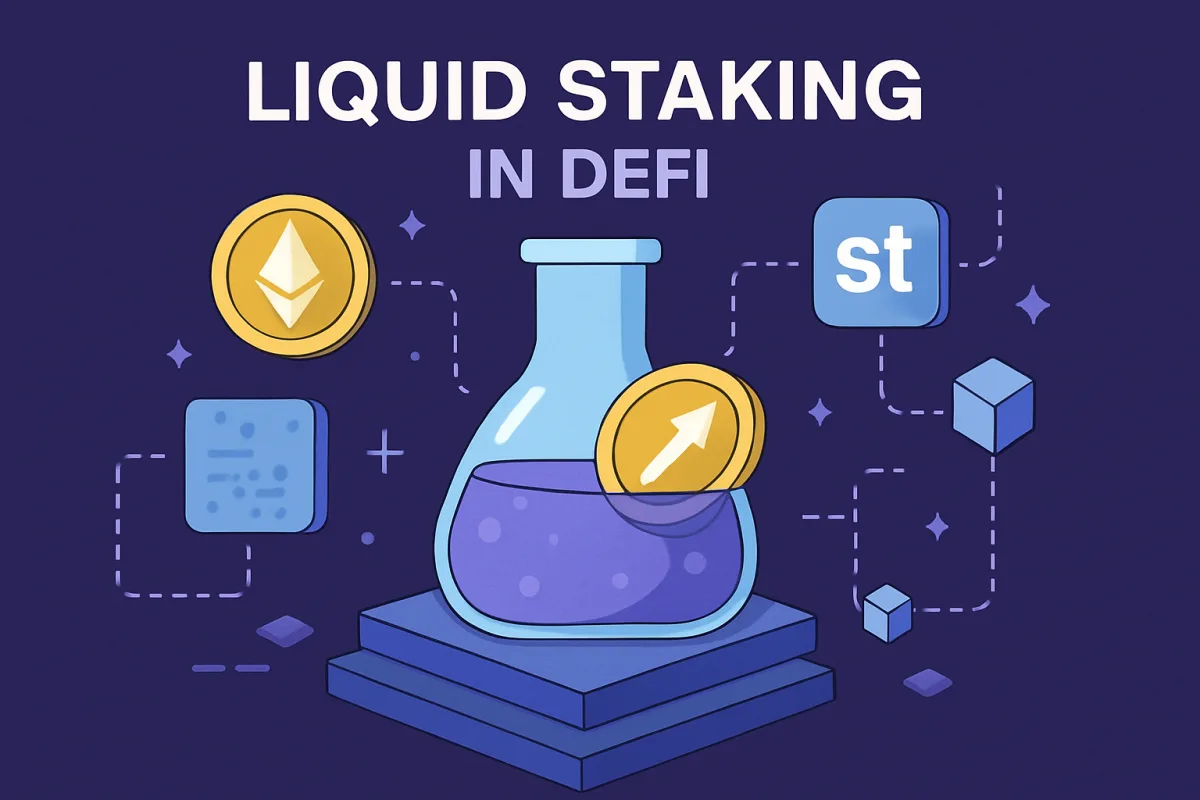
Liquid staking allows users to stake their cryptocurrencies while maintaining liquidity. This is achieved by receiving a tokenized version of the staked asset, which can be used in other DeFi applications. Popular platforms for liquid staking include Lido, Rocket Pool, and Frax Finance. Each has unique features, such as varying levels of decentralization, fees, and supported assets, making it essential for users to evaluate their specific needs before choosing a platform.
Quick Summary
Liquid staking is transforming the DeFi landscape by enabling users to earn staking rewards without sacrificing liquidity. By utilizing platforms like Lido, Rocket Pool, and Frax Finance, users can stake their assets and receive a tokenized version in return. This allows them to participate in other DeFi activities while still earning rewards. Understanding the differences between these platforms is crucial for making informed decisions based on individual needs and risk tolerance.
Curator Notes
Liquid staking is a game-changer in the decentralized finance (DeFi) space, allowing users to stake their cryptocurrencies while still retaining liquidity. Traditionally, staking required locking up assets for a set period, which limited users' ability to access their funds. With liquid staking, users receive a tokenized representation of their staked assets, enabling them to engage in various DeFi activities such as lending, trading, or providing liquidity elsewhere.
Lido is one of the most prominent platforms for liquid staking, particularly for Ethereum. It offers a user-friendly interface and supports multiple assets. Lido's staked tokens can be used across various DeFi platforms, enhancing their utility.
However, users should be aware of the centralized nature of Lido, which may pose risks related to governance and security. Rocket Pool is another noteworthy option, focusing on decentralization. It allows users to run their own nodes or delegate to others, promoting a more distributed network.
While Rocket Pool may have higher technical requirements for node operators, it offers a unique opportunity for users who want to contribute to the network's decentralization. Frax Finance introduces an innovative approach by combining liquid staking with algorithmic stablecoins. This platform allows users to stake their assets while also providing stablecoin liquidity.
The dual functionality can be appealing for users looking to maximize their yield across different DeFi protocols. When choosing a liquid staking platform, consider factors such as fees, supported assets, and the level of decentralization. Some platforms may charge higher fees for the convenience they offer, while others may have lower fees but require more technical involvement.
Assessing your risk tolerance and investment goals is essential to find the right fit. It's also important to stay informed about the evolving regulatory landscape surrounding DeFi and liquid staking. As these platforms grow in popularity, they may attract regulatory scrutiny, which could impact their operations and user experience.
Keeping an eye on developments in this area will help you make more informed decisions. In summary, liquid staking offers a flexible way to earn rewards in DeFi without sacrificing liquidity. By understanding the strengths and weaknesses of platforms like Lido, Rocket Pool, and Frax Finance, users can make better decisions that align with their financial goals and risk appetite.
Recommended Options
- Lido: Best for Users seeking a user-friendly interface and broad asset support. Lido is one of the largest liquid staking platforms, offering easy access to staking rewards. Signal checked: High user adoption and liquidity. Alternative to consider: Rocket Pool for a more decentralized approach.
- Rocket Pool: Best for Users interested in decentralization and node operation. Promotes a decentralized network by allowing users to run their own nodes. Signal checked: Growing community and emphasis on decentralization. Alternative to consider: Lido for ease of use.
- Frax Finance: Best for Users looking to combine staking with stablecoin liquidity. Innovative integration of liquid staking with stablecoin functionality. Signal checked: Unique dual functionality attracting diverse users. Alternative to consider: Lido for traditional staking rewards.
Best Sources
Videos and Community Signals
Thanks to Shapella, Liquid Staking Derivatives (LSDs) have taken off! These innovative tokens allow users to stake ETH without ...
Meta Pool - https://metapool.app No lockup. If you stake with Meta Pool, you are able to avoid the unstaking period (52-65 hours) ...
Comparison
| Decision Point | Good Starting Choice | When to Go Further |
|---|---|---|
| Decentralization | Lido offers ease of use but is more centralized. | Rocket Pool provides a decentralized option for those willing to run nodes. |
| Supported Assets | Lido supports a wide range of assets. | Frax Finance combines staking with stablecoin liquidity. |
| Fees | Lido has competitive fees for beginners. | Rocket Pool may have variable fees depending on node operations. |
FAQ
Liquid staking allows users to stake their cryptocurrencies while receiving a tokenized version of the staked asset, maintaining liquidity.
Risks include smart contract vulnerabilities, platform centralization, and regulatory scrutiny.
Yes, tokenized staked assets can be used across various DeFi platforms for trading, lending, or providing liquidity.