Light Exposure and Circadian Rhythm
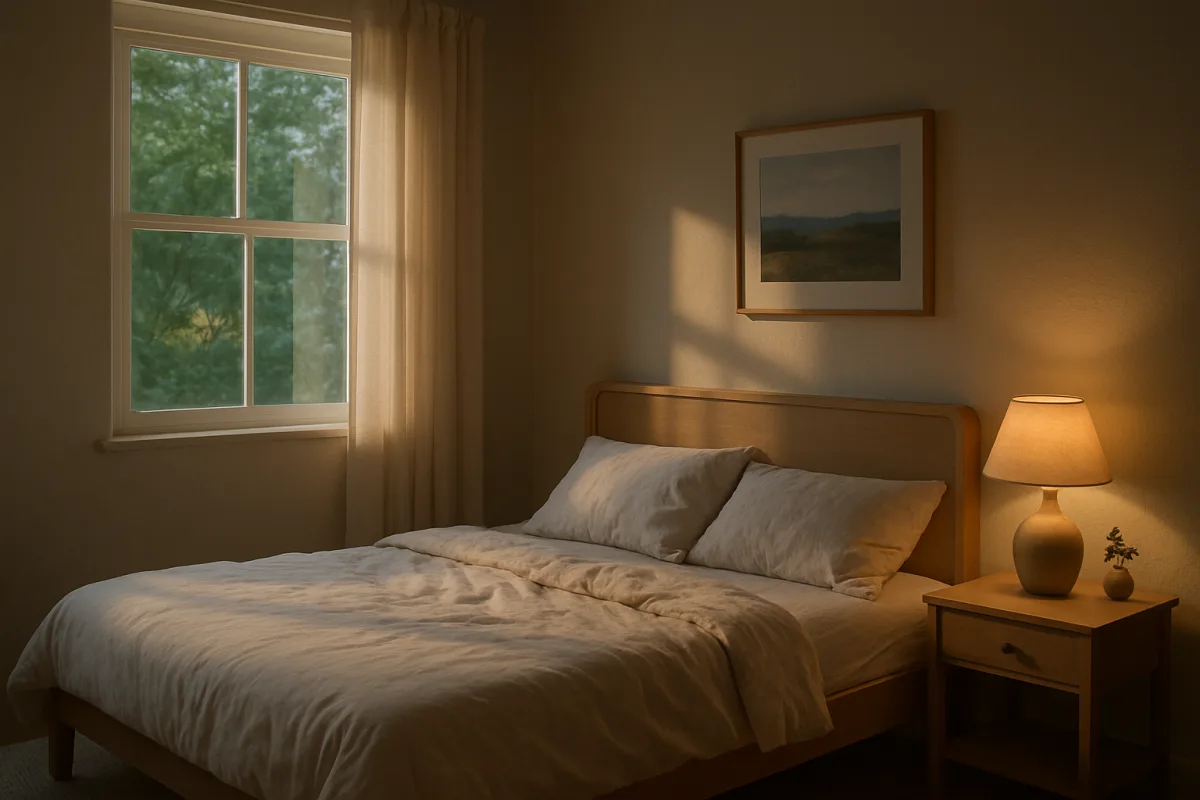
Light exposure plays a crucial role in regulating circadian rhythms, which are the body's natural sleep-wake cycles. Exposure to natural light during the day helps to synchronize these rhythms, promoting better sleep quality and overall health. Conversely, excessive artificial light exposure at night can disrupt these cycles, leading to sleep disorders and other health issues. Understanding how to manage light exposure can significantly enhance well-being.
Quick Summary
This guide explores the relationship between light exposure and circadian rhythms, emphasizing the importance of natural light during the day and the negative effects of artificial light at night. It provides insights into how to optimize light exposure for better sleep and health.
Curator Notes
Circadian rhythms are biological processes that follow a roughly 24-hour cycle, responding primarily to light and darkness in the environment. These rhythms influence sleep patterns, hormone release, and other bodily functions. Natural light exposure during the day is essential for maintaining a healthy circadian rhythm, as it helps regulate the production of melatonin, the hormone responsible for sleep.
When we are exposed to bright light, especially in the morning, it signals our body to be alert and awake, improving mood and cognitive function throughout the day. On the other hand, exposure to artificial light, particularly blue light from screens, in the evening can disrupt these natural rhythms. This disruption can lead to difficulties falling asleep, reduced sleep quality, and long-term health issues such as obesity and depression.
To mitigate these effects, it's important to limit screen time before bed and create a dark sleeping environment. Incorporating practices like using blue light filters on devices and ensuring exposure to natural light during the day can significantly enhance sleep quality and overall health.
Recommended Options
- Philips Hue White and Color Ambiance: Best for users looking to control light exposure in their home environment Offers customizable lighting options that can mimic natural light patterns. Signal checked: Highly rated for its versatility and integration with smart home systems. Alternative to consider: LIFX Color A19 Smart LED Bulb
- F.lux: Best for individuals who work late and need to reduce blue light exposure Signal checked: Widely recommended by users for improving sleep quality. Alternative to consider: Night Shift (Apple) or Windows Night Light
Best Sources
Videos and Community Signals
Full Video: https://www.instagram.com/reel/Cix3wekvEet/?utm_source=ig_web_copy_link The second most important practice for ...
Discover how the right quality and amount of light influences our circadian rhythms. We delve into the connection between ...
Comparison
| Decision Point | Good Starting Choice | When to Go Further |
|---|---|---|
| Type of light exposure | Natural light exposure during the day | Smart lighting systems that mimic natural light patterns |
| Timing of light exposure | Morning light exposure to enhance alertness | Controlled dimming of lights in the evening to promote melatonin production |
FAQ
Light exposure regulates melatonin production, which is crucial for sleep. Natural light during the day enhances alertness, while artificial light at night can disrupt sleep patterns.
Circadian rhythms are 24-hour cycles that influence various biological processes, including sleep-wake cycles, hormone release, and metabolism.