Joint Health Supplements Compared
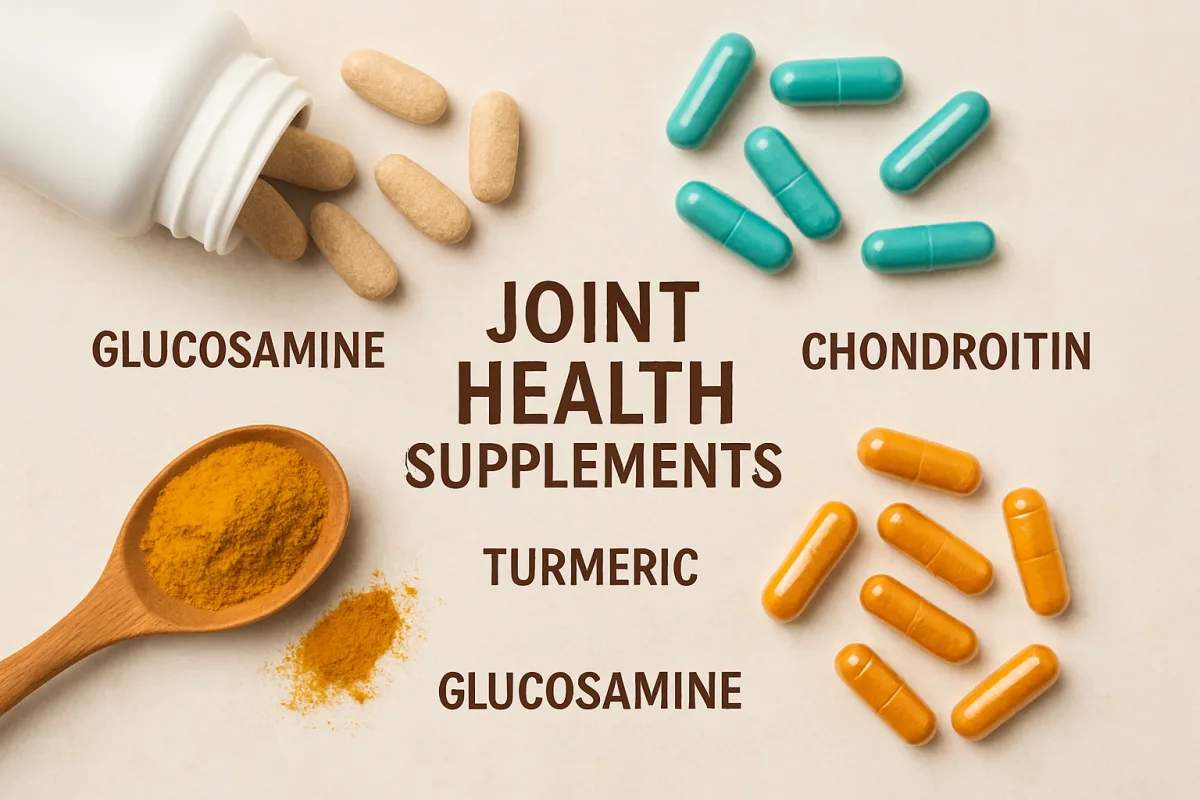
When considering joint health supplements, options like glucosamine, chondroitin, and turmeric stand out. Glucosamine is often recommended for its potential to support cartilage health, while chondroitin may help reduce joint pain and improve mobility. Turmeric, with its anti-inflammatory properties, is a popular natural alternative. Each supplement has its strengths and potential drawbacks, such as varying effectiveness and possible side effects. It's essential to assess your specific needs and consult with a healthcare provider before starting any supplement regimen.
Quick Summary
Choosing the right joint health supplement can be challenging due to the variety of options available. Glucosamine and chondroitin are well-known for their roles in supporting joint health, while turmeric offers natural anti-inflammatory benefits. Each supplement has unique advantages and potential downsides, making it crucial to evaluate your health goals and consult a healthcare professional. Understanding the differences can help you make an informed decision that aligns with your needs.
Curator Notes
Joint health supplements are increasingly popular among those seeking relief from joint pain and improved mobility. Glucosamine is one of the most researched options, often derived from shellfish. It is believed to help rebuild cartilage and may alleviate pain in osteoarthritis patients.
However, its effectiveness can vary, and some individuals may experience side effects like gastrointestinal discomfort. Chondroitin is frequently paired with glucosamine. It is thought to enhance the effects of glucosamine by providing additional support to cartilage and potentially reducing inflammation.
While some studies show positive results, others indicate that its benefits may not be as significant as once believed. Users should consider their specific joint issues when deciding on this supplement. Turmeric, known for its active compound curcumin, is gaining traction as a natural anti-inflammatory agent.
It may help reduce joint pain and stiffness, particularly in conditions like arthritis. However, the bioavailability of curcumin can be low, meaning that the body may not absorb it effectively without the presence of black pepper extract or fat. This can complicate the decision for those seeking a straightforward supplement.
Another option is omega-3 fatty acids, commonly found in fish oil. These have been shown to reduce inflammation and may provide joint pain relief. However, they can interact with blood thinners and may not be suitable for everyone.
It's crucial to weigh these factors against your health profile. For those considering these supplements, it's advisable to consult a healthcare provider. They can help determine the most suitable option based on individual health conditions and dietary needs.
Additionally, lifestyle factors such as diet and exercise should not be overlooked, as they play a significant role in joint health. In summary, while glucosamine, chondroitin, turmeric, and omega-3 fatty acids are popular choices for joint health, their effectiveness can vary based on individual circumstances. Understanding the specific benefits and potential drawbacks of each can guide you toward making an informed decision that best supports your joint health goals.
Recommended Options
- Schiff Glucosamine Sulfate: Best for Individuals with osteoarthritis Well-researched for cartilage support Signal checked: High user ratings and clinical studies Alternative to consider: Glucosamine HCl
- Move Free Chondroitin Sulfate: Best for Those looking for combined joint support Signal checked: Positive reviews and anecdotal evidence Alternative to consider: MSM (Methylsulfonylmethane)
- Nature's Bounty Turmeric Curcumin: Best for Individuals seeking natural anti-inflammatory support Contains bioenhancers for better absorption Signal checked: Growing popularity and positive testimonials Alternative to consider: Ginger supplements
Best Sources
Videos and Community Signals
Dr. Jeff Peng recommends three primary supplements for mitigating arthritis symptoms: Boswellia serrata, Turmeric and curcumin, ...
If you suffer from arthritis, joint pain, or stiff, inflamed joints, you NEED to know about this little-known vitamin that could change ...
Comparison
| Decision Point | Good Starting Choice | When to Go Further |
|---|---|---|
| Effectiveness for osteoarthritis | Glucosamine is a good starting choice for pain relief. | Chondroitin may offer additional benefits when combined with glucosamine. |
| Natural anti-inflammatory properties | Turmeric is a safe option for those preferring natural remedies. | Consider omega-3s for broader anti-inflammatory effects. |
| Potential side effects | Glucosamine generally has mild side effects. | Turmeric may cause gastrointestinal issues in some users. |
FAQ
Most joint health supplements are considered safe for general use, but it's essential to consult a healthcare provider, especially if you have underlying health conditions or are taking other medications.
Results can vary, but many users report improvements within 4-8 weeks of consistent use.
Yes, but it's advisable to consult with a healthcare provider to avoid potential interactions and ensure safety.