Investment Apps Fractional
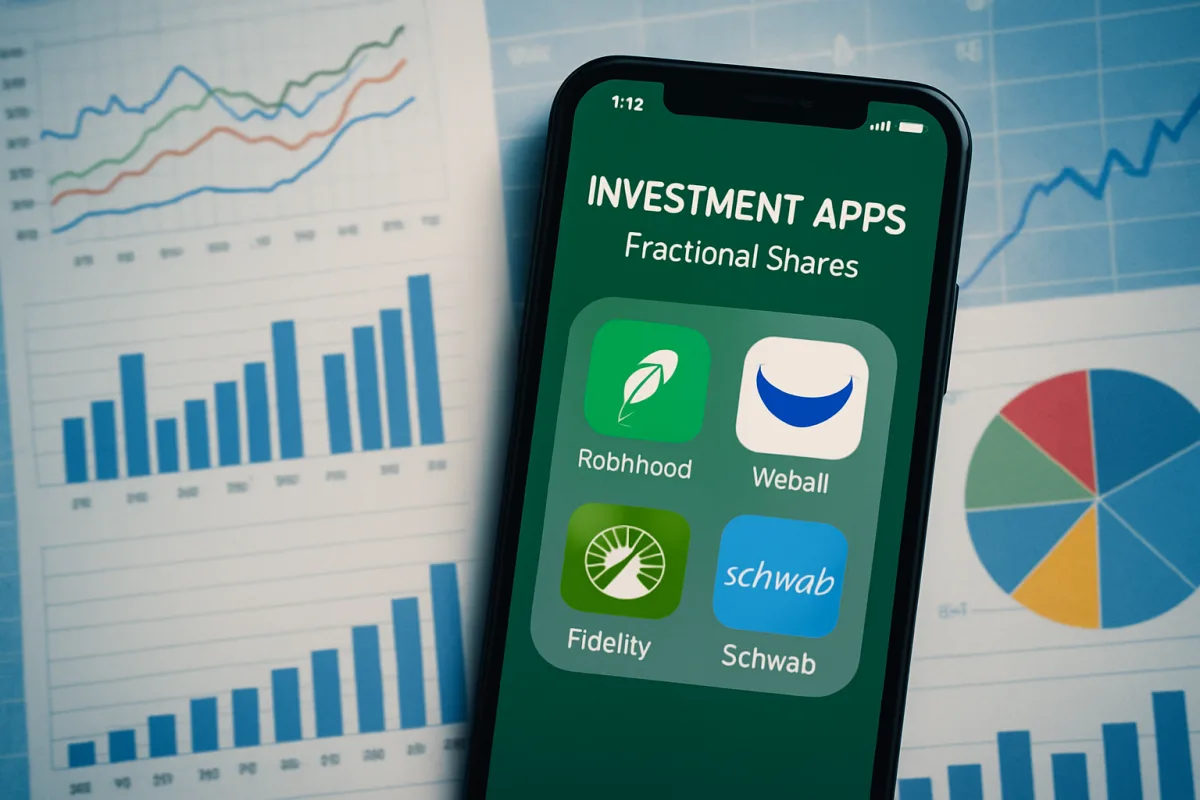
Fractional investment apps allow users to invest in shares of stocks or funds without needing to purchase a full share. These platforms make investing accessible to individuals with smaller amounts of capital. Notable options include Robinhood, which offers commission-free trading and a user-friendly interface, and Acorns, which rounds up purchases to invest spare change. Each app has unique features, such as educational resources or automated investing, catering to different investment styles and goals.
Quick Summary
Fractional investment apps are transforming how individuals approach investing by allowing them to buy portions of shares, making it easier to diversify portfolios with limited funds. Popular choices like Robinhood and Acorns cater to various needs, from casual investors to those seeking automated strategies. Understanding the strengths and weaknesses of each platform can help users make informed decisions that align with their financial goals.
Curator Notes
Fractional investment apps have gained traction as they democratize access to the stock market. By allowing users to purchase fractions of shares, these platforms enable even those with modest savings to build diversified portfolios. This approach is particularly beneficial for new investors who may feel intimidated by the high costs associated with full shares of popular stocks.
Robinhood stands out for its commission-free trading model, appealing to younger investors who prefer a straightforward and mobile-friendly experience. Its intuitive interface makes it easy to navigate, but users should be aware of potential limitations in research tools and customer support, which may not meet the needs of more experienced traders. Acorns takes a different approach by focusing on automated investing.
It rounds up users' purchases to the nearest dollar and invests the spare change. This method is excellent for those who want to invest passively without actively managing their portfolios. However, users should consider the fees associated with this service, which can add up over time.
Another noteworthy option is Stash, which combines fractional investing with educational resources. It allows users to choose investments based on personal interests and values, making it ideal for socially conscious investors. However, its fee structure may be higher than some competitors, which could deter budget-conscious users.
For those interested in a more traditional brokerage experience, Charles Schwab offers fractional shares through its Schwab Stock Slices program. This option is great for investors looking for a reputable firm with extensive research tools and customer support. However, it may not have the same level of user-friendliness as dedicated apps like Robinhood or Acorns.
Investors should also consider their investment goals and risk tolerance when selecting a fractional investment app. Some platforms may emphasize growth stocks, while others might focus on income-generating investments. Understanding these nuances can help users align their choices with their financial strategies.
Overall, fractional investment apps provide a valuable entry point for individuals looking to engage with the stock market. By evaluating the unique features, fees, and user experiences of each platform, investors can make informed decisions that suit their financial aspirations.
Recommended Options
- Robinhood: Best for Beginner investors seeking a user-friendly platform Commission-free trading and a simple interface Signal checked: High user ratings and popularity among millennials Alternative to consider: Webull for advanced trading features
- Acorns: Best for Passive investors wanting to automate savings Round-up feature for effortless investing Signal checked: Strong growth in user base and positive reviews Alternative to consider: Betterment for more comprehensive financial planning
- Stash: Best for Investors interested in socially responsible options Signal checked: Unique approach to investing attracts a dedicated user base Alternative to consider: M1 Finance for customizable portfolios
- Charles Schwab: Best for Investors seeking a traditional brokerage experience Signal checked: Long-standing reputation in the investment community Alternative to consider: Fidelity for similar services with different fee structures
Best Sources
Videos and Community Signals
BEST Apps for Fractional Shares: ▻ BEST Apps for Fractional Shares – Invest with Just $1! Want to invest in stocks but don't ...
Investing apps 2025—here are the top 3 picks you can start with for just $10. This quick breakdown compares fees, fractional ...
Comparison
| Decision Point | Good Starting Choice | When to Go Further |
|---|---|---|
| User Experience | Robinhood for simplicity | Charles Schwab for comprehensive tools |
| Investment Strategy | Acorns for automated investing | Stash for personalized choices |
| Fees | Robinhood for zero commissions | Acorns for potential higher fees with automated services |
FAQ
Fractional investment apps allow users to buy portions of shares, making investing accessible with smaller amounts of money.
Yes, some apps charge fees for transactions or account management, so it's important to review the fee structure before choosing a platform.
Absolutely! Fractional shares enable you to invest in multiple companies without needing to buy full shares, facilitating diversification.